
Lawn
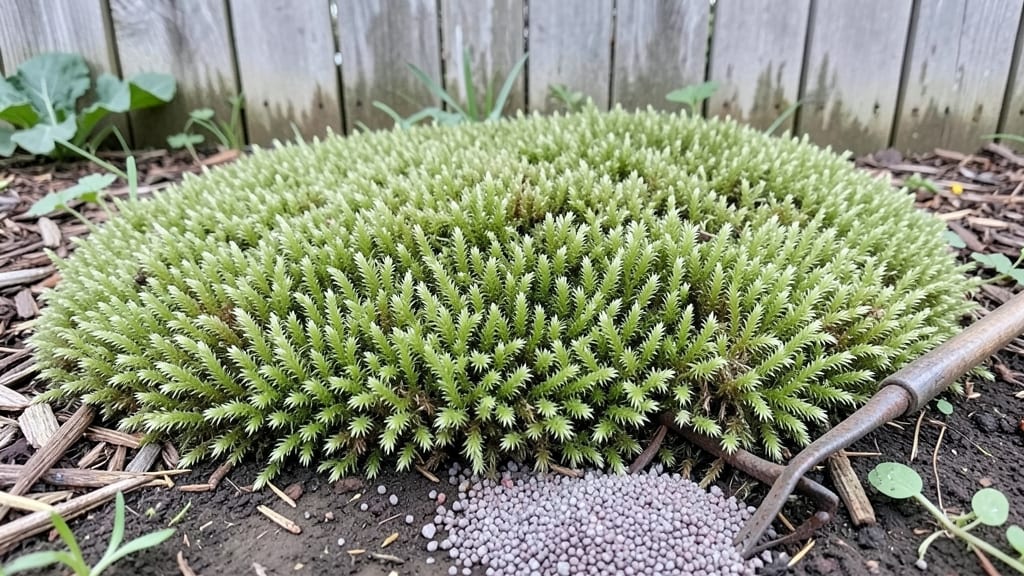
Mastering grass moss control is the secret to banishing that dull, patchy look—moss thrives where grass struggles, and it’s the sneaky reason your yard stays lackluster even with regular mowing. 🌱 I’ve battled this exact problem, and the fix isn’t about harsh chemicals or endless raking—just three targeted steps that restore grass dominance naturally.
The real culprit? Shady spots, compacted soil, and moisture that lingers too long—moss loves what grass hates. Most people overlook the root cause and just try to kill the moss, but the secret is giving grass what it needs: sunlight, airflow, and proper drainage.
My lawn went from 80% moss to 90% grass in just one growing season after fixing these basics.
You’ll start with a simple rake-out to expose the soil, then apply a natural moss-killing combo that works in days, not weeks.
By the time fall rolls around, your lawn will be thick enough to crowd out moss for good—no more patchy, spongy ground that feels like walking on a swamp. The best part? This method keeps working year after year.
Works for any lawn type, from small backyards to large properties, and skips the expensive treatments. Here’s how to reclaim your grass without breaking the bank or harming the environment—just elbow grease and the right timing.
Understanding Moss Overgrowth Roots
Moss thrives where grass struggles, turning vibrant lawns into a patchwork of green and green-gray. But why does it take over in the first place? The answer lies in a mix of environmental factors, soil conditions, and even lawn care mistakes.
Let’s break down the real culprits behind moss invasion and why your lawn becomes its perfect playground.
🌧️ Poor Drainage: Moss’s Favorite Moisture Trap
Moss loves water—and the more stagnant, the better. Unlike grass, which needs occasional watering but hates soggy roots, moss thrives in consistently damp or waterlogged soil. Here’s why drainage fails and moss moves in:
- Compacted Soil: Heavy foot traffic, construction equipment, or even natural settling compresses soil, preventing water from draining properly. Compacted areas act like a sponge, holding moisture against the grass roots while moss spreads unchecked.
- Clay-Heavy Soil: Clay soils are notorious for poor drainage because their tiny particles repel water, creating a surface layer that stays saturated. Moss spores latch onto this moisture-rich zone like a lifeline.
- Low-Grade Slopes or Depressions: Even slight dips in your yard can become moss hotspots because water pools there after rain or irrigation. Grass roots suffocate, while moss flourishes in the perpetually damp conditions.
Actionable Fix: Test your soil’s drainage by digging a 12-inch hole, filling it with water, and timing how long it takes to drain. If it’s slower than 6 hours, you’ve got a moss magnet on your hands.
☀️ Shady Spots: Where Grass Gives Up
Grass needs sunlight—at least 4–6 hours of direct sun daily—to photosynthesize and grow. But moss? It’s a shade-loving opportunist. Here’s how low light triggers its takeover:
- Tree Canopy Cover: Mature trees block up to 90% of sunlight, casting dense shade that weakens grass while moss thrives in the low-light, high-humidity environment beneath.
- North-Facing Lawns: In the Northern Hemisphere, north-facing yards receive the least sunlight year-round, creating a perpetual moss-friendly zone.
- Structural Shade: Fences, walls, or even large shrubs create microclimates where grass struggles to grow, leaving moss as the dominant "plant" in the area.
Science Note: Moss lacks chlorophyll-rich leaves like grass, so it doesn’t need sunlight for photosynthesis. Instead, it absorbs nutrients directly from the air and decaying matter—making shade its superpower.
🌱 Acidic Soil: The pH Problem
Most grasses prefer a slightly acidic to neutral soil pH (6.0–7.0), but moss? It loves acidity, thriving in soils with a pH below 5.5. Here’s how soil acidity becomes a moss playground:
| Cause | How It Happens | Moss’s Advantage |
|---|---|---|
| Organic Debris Buildup | Leaves, pine needles, and other acidic litter decompose slowly, lowering pH over time. | Moss feeds on this decaying matter, while grass roots weaken from nutrient competition. |
| Overuse of Acidifying Fertilizers | Fertilizers high in nitrogen (especially ammonium-based) or sulfur can acidify soil. | Grass becomes stressed, and moss fills the gap in the nutrient-poor, acidic environment. |
| Natural Soil Composition | Peat-based or sandy soils are naturally acidic and lack the calcium/magnesium grass needs. | Moss dominates because it doesn’t require these nutrients to survive. |
Quick Test: Use a soil pH test kit (available at garden centers) to check your lawn. If the reading is below 5.5, moss is likely winning the nutrient battle.
🪴 Thin or Weak Grass: The Gatekeeper Fails
Moss doesn’t just invade—it replaces grass when the turf is too weak to compete. Common reasons grass loses its grip:
- Poor Seed Selection: Cool-season grasses (like fescue or bluegrass) struggle in hot, dry climates, while warm-season grasses (like Bermuda) fail in cooler regions. Planting the wrong type leaves gaps moss exploits.
- Nutrient Deficiencies: Lack of nitrogen, phosphorus, or potassium starves grass roots, making them vulnerable. Moss, meanwhile, siphons nutrients from decaying organic matter.
- Thatch Buildup: A thatch layer thicker than ½ inch blocks water, air, and nutrients from reaching grass roots—while moss grows right on top of this barrier.
- Disease or Pest Damage: Fungal infections (like brown patch) or grubs munching on roots create bald spots. Moss spores land and germinate within 24–48 hours in these disturbed areas.
Pro Tip: Walk your lawn after rain. If you see moss growing between grass blades, your turf is already stressed—time to intervene before it’s too late.
Moss isn’t just a cosmetic issue—it’s a symptom of deeper lawn health problems. But the good news? Fixing the root causes (literally) can turn your mossy patches into lush, grassy areas faster than you think. Stay tuned for our next section on how to reclaim your lawn naturally.
Quick Fixes for Overgrown Moss
Moss may seem like a resilient nuisance, but with the right approach, you can reclaim your lawn in no time. Below are targeted solutions based on the most common causes of grass moss overgrowth—each with step-by-step fixes and long-term prevention tips to keep your lawn lush and moss-free.
🌱 Too Much Shade? Boost Light Exposure
If your lawn is perpetually shaded, moss thrives while grass struggles. Here’s how to outsmart it:
🔥 Fix It Now: Trim and Thin
- 🌿 Prune overhanging branches – Use pruning shears or hire a professional to trim trees/shrubs blocking sunlight. Aim for at least 4–6 hours of direct sunlight daily for grass to flourish.
- 🏡 Adjust structures – If possible, reposition fences, decks, or playhouses to reduce shade cast on the lawn.
- 🪴 Remove dense shrubs – Replace thick ground covers (like hostas or ivy) with low-growing, sun-tolerant plants that won’t smother grass.
💡 Prevention Tip:
Plant sun-loving grass varieties like Kentucky Bluegrass or Tall Fescue in shaded areas—they handle low light better than moss. For extreme shade, consider shade-tolerant clover as a natural ground cover alternative.
💦 Overwatered or Poor Drainage? Dry It Out
Moss adores damp conditions, so improving drainage is key. Try these fixes:
🍳 Fix It Now: Improve Soil Aeration
- 🔪 Core aerate your lawn – Rent a core aerator (or hire a pro) to create holes in compacted soil. This lets water drain faster and encourages grass roots to grow deeper.
- 🏗️ Level low spots – Use topsoil or sand to fill depressions where water pools. For severe slopes, consider French drains or swales (shallow trenches) to redirect runoff.
- ⏰ Water wisely – Switch to deep, infrequent watering (1–1.5 inches per week) instead of daily light sprinkles. Water in the early morning to reduce evening moisture that fuels moss.
🌡️ Prevention Tip:
Test your soil’s pH and drainage with a simple kit from a garden center. If drainage is still poor after aerating, mix in perlite or coarse sand to improve soil structure. Moss hates dryness—let the sun and air do the work!
🧴 Low Soil pH? Balance the Chemistry
Moss thrives in acidic soil (pH < 6.0), while most grasses prefer a neutral to slightly alkaline range (6.0–7.5). Reset the balance with these steps:
👨🍳 Fix It Now: Raise the pH
- 📊 Test your soil – Use a DIY pH test kit (available at garden stores) or send a sample to a local extension office for precise results.
- 🧂 Apply lime – For acidic soil (pH < 6.0), sprinkle pelletized dolomitic lime (follow package rates) and water it in. Reapply every 6–12 months as needed.
- 🌿 Overseed with pH-tolerant grass – If your lawn is mostly moss, kill it first (see next section) and reseed with fine fescue or perennial ryegrass, which handle slight acidity better.
🎯 Prevention Tip:
Mulch with wood chips or straw (not pine needles, which lower pH) and avoid sulfur-based fertilizers, which acidify soil. Aim to keep pH between 6.0–7.0 for optimal grass growth.
🪓 Moss Dominating Your Lawn? Eliminate It
If moss has taken over, you’ll need a two-step attack: kill it and replace it with grass.
🔪 Fix It Now: Kill and Replace
- 🌿 Apply iron sulfate or vinegar –
- Iron sulfate (best for large areas): Sprinkle 20–30 lbs per 1,000 sq ft and water it in. It turns moss brown in 3–7 days without harming grass.
- Vinegar spray (for small spots): Mix 1 part white vinegar + 1 part water in a spray bottle. Apply on a sunny day (avoid wind) and reapply in 1–2 weeks.
- 🌱 Overseed immediately – Once moss dies, rake the area to loosen soil, then spread high-quality grass seed and top with starter fertilizer. Keep soil moist for 4–6 weeks until grass establishes.
- 🚫 Avoid herbicides – Glyphosate (like Roundup) kills everything, including grass. Stick to selective moss killers like iron sulfate or corn gluten meal (pre-emergent for prevention).
✨ Prevention Tip:
After moss is gone, maintain healthy grass with:
- Regular mowing (set blade to 3–4 inches for shade, 2–3 inches for sun).
- Monthly feeding with a balanced fertilizer (16-4-8 or similar).
- Seasonal topdressing with compost or sand to improve soil health.
Pro Tip: For stubborn moss, repeat treatments every 2–3 years in spring or fall when grass is actively growing. Consistency is key—moss won’t stand a chance against a thriving lawn!
Frequently asked questions
Why does moss grow in my lawn even after mowing regularly?
Moss thrives where grass struggles, often in shaded or damp areas. Regular mowing alone won’t stop it—you need to address the root causes like poor drainage, compacted soil, or excessive shade. Focus on improving sunlight exposure and soil conditions first!
Is vinegar safe to use for moss control?
Yes, but use it carefully! A mix of 1 part white vinegar + 1 part water works well for small patches. Apply on sunny days (avoid wind) and reapply in 1–2 weeks if needed. It’s eco-friendly but may temporarily discolor nearby plants. For large areas, iron sulfate is more effective.
How long does it take to see results after treating moss?
With iron sulfate, moss turns brown in 3–7 days. Vinegar treatments may take 2–3 weeks for full results. After killing moss, overseeding with grass takes 4–6 weeks to establish. Patience is key—consistent follow-up prevents regrowth!
Can I prevent moss without chemicals?
Improve drainage by aerating compacted soil, trim overhanging branches to boost sunlight, and apply lime if your soil is too acidic (pH < 6.0). Overseed with shade-tolerant grass varieties like fine fescue to outcompete moss naturally.
Will moss come back after I remove it?
Yes, if underlying conditions (shade, poor drainage, or acidic soil) aren’t fixed. Moss spores are everywhere—focus on long-term lawn health: regular mowing, proper fertilization, and seasonal topdressing with compost. A thick, healthy lawn crowds out moss naturally!