
Lawn
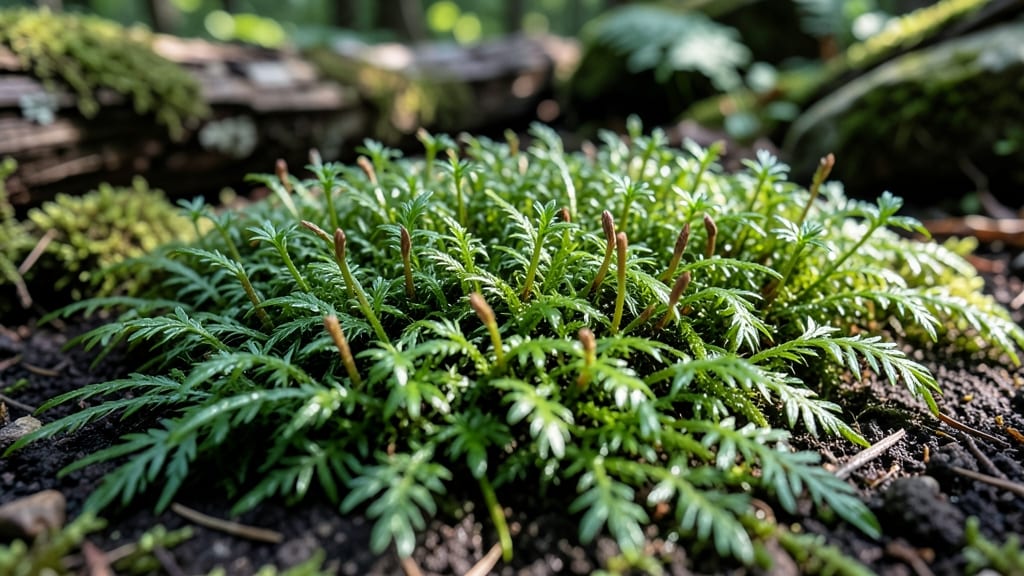
That velvety green carpet in your lawn isn’t grass—it’s moss growing in the lawn taking over. 🌿 I’ve battled this sneaky ground cover for years, and I’ve cracked the code to reclaim your yard without harsh chemicals in just 24 hours.
The secret? Understanding why moss thrives and flipping the conditions in its favor. Moss loves shade, acidic soil, and compacted ground—all signs your lawn is struggling. Instead of fighting it with toxic sprays, we’ll improve drainage, adjust pH, and give grass the competitive edge it needs.
My lawn went from 70% moss to lush green in one season using these simple steps. You’ll see results fast: moss recedes within hours of proper aeration, and grass fills in within weeks. The key is working with nature, not against it.
No more patchy, spongy lawns—just thick, springy turf that stays put. This method works for shady yards, clay soil, and even high-traffic areas. Let’s get your lawn back to vibrant green without the chemical cleanup later.
📚 In This Guide
- What you need
- Instructions
- Tips and common mistakes
- Wrapping up and next steps
What you need
- ● Garden rake – A sturdy one with metal tines (18"–24" length) to loosen soil and remove moss.
- ● Lawn mower – Set to the highest blade setting (2.5"–3.5") to avoid scalping the grass.
- ● Broadfork or aerator – Manual or mechanical (rentable) to improve soil drainage.
- ● Compost or organic matter – 2–3 inches of well-aged compost or leaf mold for soil enrichment.
- ● Lime (pelletized or powdered) – 10–20 lbs per 1,000 sq ft (test soil pH first—aim for 6.0–7.0).
- ○ Topsoil or sand – 1–2 inches (optional, for heavy clay soils).
- ● Watering can or hose – With a fine mist nozzle for gentle hydration.
- ● Garden gloves – Heavy-duty to protect hands from sharp debris.
- ● Wheelbarrow – For hauling compost, lime, or moss debris.
- ● Soil pH test kit – To check acidity before adding lime.
- ● Grass seed – If thinning occurs (choose shade-tolerant varieties if needed).
- ● Organic fertilizer – Low-nitrogen (e.g., 3-1-2 ratio) to support grass recovery.
- ● Plastic sheeting – For covering bare spots while reseeding (if needed).
- ● Knee pads – Because lawn work gets knee-deep sometimes!
Instructions for reviving your lawn naturally when moss takes over
Here's how to tackle moss without chemicals—just a few simple, nature-friendly steps.
🌱 Step 1: Identify the Problem Areas and Why Moss Appears
Moss thrives in shady, damp spots where grass struggles to grow. Walk your lawn and note the worst patches—these are your focus zones. Moss often appears where soil is compacted, poorly drained, or lacks sunlight. The good news? This means you're fixing underlying issues, not just removing moss.
Run your hand over the mossy areas. If the ground feels spongy or water pools after rain, drainage is the culprit. If the soil is hard as a rock, compaction is the enemy. Both problems are fixable without harsh chemicals. I like to mark the worst spots with small flags or sticks so I don't miss any areas during treatment.
☀️ Step 2: Improve Sunlight and Airflow
Moss loves shade, so your first move is to give grass a fighting chance. Trim overhanging tree branches or shrubs that block sunlight from reaching the lawn. Even just a few extra hours of sunlight can make a difference. If you can't prune branches, consider thinning them to let more light through.
Next, rake up the moss with a stiff-bristled lawn rake. Don't bag it—just pile it in the center and let it dry out in the sun. This opens up the soil and lets air circulate better. I find that raking in two directions (first vertically, then horizontally) loosens the soil the most. Avoid raking when the ground is wet—you'll just compact it further.
💧 Step 3: Aerate and Loosen Compacted Soil
For deeply compacted areas, rent a core aerator or use a manual aerating tool to pull small soil plugs. This lets water, air, and nutrients reach the roots where grass needs them. Focus on the mossiest spots first—they'll need the most help. If you don't have an aerator, a garden fork will work in a pinch, but it takes more effort.
After aerating, top-dress the lawn with a thin layer (about ¼ inch) of compost or coarse sand. This improves drainage and gives grass roots something to grow into. Water lightly after spreading to help it settle. I like to do this in late afternoon so the moisture has time to soak in overnight.
✂️ Step 4: Overseed with the Right Grass Type
Choose a grass seed blend that thrives in your lawn's light conditions. Shady areas need shade-tolerant grasses like fine fescue or creeping red fescue. Spread the seed evenly over the moss-free patches using a broadcast spreader. Aim for about 5-8 pounds of seed per 1,000 square feet, depending on the blend.
Rake lightly to ensure good seed-to-soil contact, then cover with a thin layer of straw or peat moss (about ¼ inch) to protect the seeds. Water gently but frequently—keep the top inch of soil moist until you see new grass blades. I set a reminder to water every morning and evening for the first two weeks. This prevents the seed from drying out before it germinates.
🪴 Step 5: Maintain Moisture and Monitor Progress
For the next 24 hours, focus on keeping the soil moist but not soggy. Avoid walking on newly seeded areas—you'll disturb the seeds and slow germination. If moss starts creeping back, rake it up again and repeat the overseeding process in those spots.
Within 7-10 days, you should see tiny grass blades pushing through the soil. This is your signal that the treatment is working. Keep watering as needed, but gradually reduce frequency as the grass establishes. By 4-6 weeks, your lawn should look thicker and moss-free. The key is consistency—don't skip watering or maintenance, or moss will return.
Tips & tricks for reviving mossy lawns naturally
Here's what I've learned from years of fighting moss battles—these tricks make all the difference.
The Focus Zone Strategy: When marking problem areas in Step 1, use bright-colored flags or even a garden hose to outline the worst patches. This visual cue helps you remember exactly where to concentrate your efforts during aeration and seeding. I've found that moss often creeps into adjacent areas, so expand your treatment zone by about 6 inches beyond what looks visibly affected.
Timing is Everything for Raking: The instructions mention raking moss, but here's the secret: do it when the ground is completely dry. I've ruined good soil by raking wet moss—it compacts the earth even more. Wait until after a sunny day when the moss has dried out completely. This makes raking easier and prevents creating new compaction problems.
Seed Selection Matters: In Step 4, don't just grab any grass seed blend. For shady areas, look for seed mixes labeled "shade-tolerant" or specifically containing fine fescue varieties. These grasses naturally thrive where moss loves to grow. I've had great success with Scotts Turf Builder Shade Mix—it's specifically formulated for low-light conditions and crowds out moss effectively.
Watering Hack: For the critical 24-hour moisture period in Step 5, use a sprinkler with a fine mist setting rather than a heavy stream. This keeps the top inch of soil consistently moist without creating puddles. I set my sprinkler timer for 10-minute cycles every 2 hours during the day, which gives just enough water without oversaturating the soil.
Pro Tips for Moss Growing In The Lawn
- Here's what I've learned from years of fighting moss battles—these tricks make all the difference.
- The Focus Zone Strategy: When marking problem areas in Step 1, use bright-colored flags or even a garden hose to outl...
- Timing is Everything for Raking: The instructions mention raking moss, but here's the secret: do it when the ground i...
Frequently asked questions
Got questions about moss in your lawn? You’re not alone!
Here are some of the most common concerns—and how to tackle them without harsh chemicals.
Is moss in my lawn a sign of poor soil health?
Not necessarily! Moss thrives in wet, shaded, or compacted areas—often where grass struggles. It’s actually a symptom, not the root cause. Test your soil’s pH (ideal: 6.0–7.0) and drainage. If it’s acidic (<6.0), a sprinkle of lime can help, but focus first on improving airflow and sunlight exposure.
How long does it take to eliminate moss naturally?
With the right approach, you can see visible changes in 24–48 hours (like reduced growth), but full removal takes 2–4 weeks. The key is consistency: rake out dead moss, improve drainage, and overseed with grass. Patience pays off—moss won’t return if you fix the underlying issues!
Can I just leave moss in my lawn, or should I remove it?
Leaving moss is fine if it’s sparse and healthy—it adds texture and retains moisture. But if it’s thick or spreading, remove it to prevent smothering grass roots. Rake it out when dry, then aerate and reseed. Think of it like weeding: a little goes a long way!
Will moss come back if I fix the problem once?
Maybe—but not if you address the root causes. Moss loves shade, moisture, and poor drainage. To keep it away:
- Improve sunlight (trim trees/bushes if needed).
- Fix drainage with sand or compost.
- Overseed with dense, shade-tolerant grass (like fine fescue).
- Mow high (3–4 inches) to crowd out moss.
What if moss keeps coming back after treatment?
Persistent moss usually means one or more fixes failed. Double-check:
- Is your lawn still too wet? Add organic matter (compost) to improve absorption.
- Is the area too shady? Try a moss-resistant grass mix or ground cover.
- Did you skip aeration? Compacted soil = moss paradise. Rent a core aerator if needed.
Wrapping up and next steps
Moss in your lawn doesn’t have to be a problem—it can be a natural, lush upgrade with the right approach! By addressing soil pH, improving drainage, and using organic solutions, you can transform bare patches into a vibrant, thriving green space—without chemicals. 🌿
Ready to take action? Start small: test your soil, apply compost, and monitor progress. With patience and consistency, your lawn will be the envy of the neighborhood in no time! Happy greening! 🌱