
Lawn
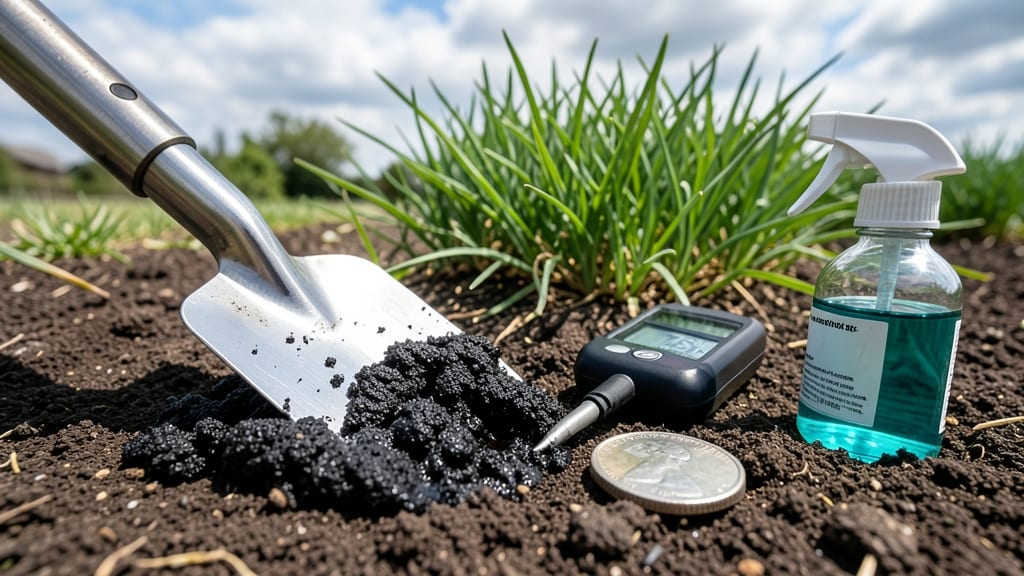
Black mold on lawn soil isn’t just ugly—it’s a sign your grass is suffocating. 🌱 I’ve seen this slimy black film choke out lawns in just weeks, but the good news is you can reverse it naturally without harsh chemicals.
The key lies in fixing what’s making your soil too wet, compacted, or clogged with thatch. Most black mold comes from excess moisture trapped in thick thatch or poor drainage, creating the perfect damp, dark environment for fungal growth.
Overwatering, heavy clay soil, or even fallen leaves smothering the grass all play a role. The mold itself isn’t killing your lawn directly, but it’s a red flag that your soil’s struggling to breathe. Within 24 hours of aerating, adjusting watering, and raking out thatch, you’ll see dramatic improvement.
The mold will dry out, roots will access oxygen again, and your grass will start recovering its vibrant green. No fungicides needed—just a few targeted fixes.
This works for most lawns, but if the mold keeps coming back after a month, you might need to test your soil’s pH or drainage. Here’s how to tackle it step by step—no chemicals required.
Root Causes Of Soil Mold Growth
Black mold thriving in your lawn soil isn’t just an eyesore—it’s a sign of underlying conditions that create the perfect breeding ground for fungi. Understanding these causes is the first step to eliminating it naturally and preventing its return.
Let’s break down the science behind why mold takes hold in your soil.
Mold loves moisture, and lawn soil that stays soggy for too long becomes a fungal paradise. Here’s why:
- Waterlogged soil: When lawns are overwatered, heavy rainfall occurs, or drainage is poor, excess moisture suffocates soil microbes and creates anaerobic conditions—ideal for mold spores to germinate.
- Compacted soil: Foot traffic, machinery, or clay-heavy soil prevents water from draining properly, trapping moisture at the root level where mold thrives.
- Thatch buildup: A thick layer of decomposing grass and roots blocks water absorption, leading to surface pooling and fungal growth.
Actionable fix: Test your soil’s drainage by digging a small hole (6 inches deep) and filling it with water. If it drains slowly (over 6 hours), your lawn needs amending with organic matter like compost or sand to improve aeration.
Mold feeds on decaying plant material, making leaf litter, dead grass clippings, and even buried wood a buffet for spores. Here’s how it happens:
- Decomposing thatch: A thatch layer thicker than ½ inch traps moisture and organic debris, creating a dark, damp environment perfect for mold colonization.
- Leaf and twig buildup: Fallen leaves or branches left on the lawn block sunlight and air circulation, accelerating decomposition and mold spread.
- Buried plant waste: Old mulch, grass clippings, or even compost piles buried in the soil provide a food source for mold as it breaks down.
Actionable fix: Regularly dethatch your lawn (spring or early fall) and remove leaf litter. Use a lawn mower with a mulching setting sparingly—over-mulching can worsen thatch buildup.
Mold spores spread when conditions are dark, damp, and stagnant. Poor sunlight exposure and restricted airflow create the perfect hiding spot:
- Shady lawn areas: Trees, fences, or buildings block sunlight, keeping soil cooler and more humid—ideal for mold growth.
- Dense grass growth: Thick, uncut grass shades the soil and reduces airflow, trapping moisture and spores.
- Tightly packed soil particles: Compacted soil prevents oxygen from reaching roots, creating anaerobic zones where mold dominates.
Actionable fix: Trim overgrown grass and thin dense patches to improve airflow. If your lawn has persistent shade, consider mold-resistant grass varieties like fine fescue or creeping red fescue.
Mold spores lie dormant until conditions become favorable. Temperature and humidity swings trigger outbreaks:
- Warm, humid climates: Temperatures between 77–86°F (25–30°C) with high humidity (above 60%) accelerate mold growth.
- Sudden temperature drops: Cool evenings after hot days create condensation on soil, providing a moisture boost for spores.
- Winter thaw cycles: Freeze-thaw patterns in spring can create pockets of trapped moisture, reactivating dormant mold.
Actionable fix: Monitor your local humidity levels and water your lawn early in the morning to allow excess moisture to evaporate. Use a soil thermometer to track temperature shifts—aim for daytime soil temps above 60°F (15°C) to discourage mold.
Pro Tip: 💡 Mold often appears in patterns—look for circular or patchy discoloration. These "hotspots" usually correlate with irrigation issues, shade, or compacted soil. Addressing the root cause (literally!) prevents recurrence.
Quick Fixes for Fungal Soil
Black mold on your lawn isn’t just unsightly—it can weaken grass roots and invite pests. The good news? You can tackle it naturally, fast, and without harsh chemicals. Below are targeted solutions based on the most common causes, plus prevention tips to keep your soil healthy long-term.
---
If your lawn stays soggy for days, excess moisture is the culprit. Black mold thrives in damp, compacted soil, so reduce watering immediately and follow these steps:
- 🔥 Stop Watering for 24–48 Hours Let the top 2–3 inches of soil dry out completely. Use a moisture meter or the "squeeze test" (grab a handful—if it stays clumped, it’s too wet).
- 👨🍳 Improve Drainage Aerate compacted areas with a garden fork or rent a core aerator to let air and water flow freely. For clay-heavy soil, mix in 1–2 inches of coarse sand or perlite to break up density.
- ⏰ Water Deeply, Less Often Switch to early morning watering (before 10 AM) for 15–20 minutes, 2–3 times per week. Avoid light, frequent sprinkles—they encourage mold growth.
💡 Pro Tip: If your lawn has poor drainage, consider French drains or sloping the yard slightly (1–2% grade) to redirect water.
---
A thick thatch layer (dead grass, roots, and debris) traps moisture and blocks sunlight—perfect conditions for mold. Here’s how to fix it:
- 🔪 Dethatch Gently Use a manual thatch rake or a vertical mower (set to ¼-inch blades) to remove excess buildup. Focus on areas where mold is worst. Avoid scalping the grass!
- 🌡️ Boost Soil Aeration After dethatching, overseed bare spots with a mold-resistant grass blend (like tall fescue or Kentucky bluegrass). These varieties tolerate moisture better.
- ✨ Top-Dress with Compost Spread a ¼-inch layer of compost over the lawn to improve soil structure and outcompete mold spores. Work it into the top inch with a rake.
🔥 Warning: Don’t dethatch in wet conditions—wait until soil is 60% dry to avoid spreading spores.
---
Shady lawns or thick turf smother soil, trapping humidity. Open up the canopy to let sunlight and airflow in:
- 🍳 Mow Higher & Sharper Set your mower to 3–4 inches to shade soil less. Use a mulching blade to chop clippings into fine pieces—they’ll decompose quickly without feeding mold.
- 🔪 Thin Out Patches For dense areas, hand-pull weeds or thin grass slightly with shears. Aim for 50–70% ground cover—less turf = less trapped moisture.
- 🌿 Add Sun-Loving Plants Mix in clover or creeping thyme (drought-tolerant ground covers) to break up monoculture grass. They improve airflow and suppress mold naturally.
💡 Pro Tip: If shade is unavoidable, plant mold-resistant grasses like fine fescue or St. Augustinegrass (in warmer climates).
---
Old pesticides, fertilizers, or even dog urine can disrupt soil pH and encourage mold. Detox your lawn with these steps:
- 💦 Rinse with Vinegar or Hydrogen Peroxide Mix 1 part white vinegar with 3 parts water in a spray bottle and apply to moldy patches. For tougher cases, use 3% hydrogen peroxide (test a small area first).
- 🌱 Feed with Beneficial Microbes Sprinkle mycorrhizal fungi or compost tea to restore healthy soil bacteria. These outcompete mold spores naturally.
- 🚫 Avoid Synthetic Fertilizers Switch to organic, slow-release fertilizers (like fish emulsion or worm castings) to prevent nutrient imbalances that feed mold.
✨ Bonus: Add wood ash (sparingly!) to raise pH if your soil is acidic (test with a soil kit).
---
Once you’ve treated the problem, stop it from returning with these habits:
- 📅 Water on a Schedule Use a smart sprinkler timer to avoid overwatering. Aim for 1 inch per week (including rain).
- 🌡️ Test Soil Health Annually Check pH (6.0–7.0 ideal) and organic matter (5%+) with a home kit. Adjust with lime (to raise pH) or peat moss (to lower it).
- 🍂 Clean Up Debris Rake leaves, twigs, and thatch weekly to prevent moisture traps. Store them in a compost bin (not piles on the lawn).
- 🌿 Mow Regularly Keep grass at 3–4 inches—taller grass shades soil, but too-short grass stresses roots and invites mold.
--- Final Note: For severe infestations, repeat treatments every 7–10 days until mold disappears. Most natural methods show results within 24–48 hours if moisture is controlled! 🚀
Frequently asked questions
Is black mold on lawn soil dangerous for my family or pets?
Black mold in soil is less harmful than toxic indoor mold like Stachybotrys, but it can still cause allergic reactions in sensitive individuals. The spores may irritate lungs or skin if inhaled or touched frequently. For pets, it’s generally not toxic, but excessive exposure could lead to mild respiratory discomfort. The bigger risk is the mold’s root cause—compacted, waterlogged soil—which can harm grass roots and invite pests.
How do I tell if my lawn has black mold vs. just wet soil?
Black mold appears as a slimy, dark greenish-black film on the soil surface, often in circular patches. Wet soil just looks damp and may have a musty smell, but it won’t have that velvety fungal texture. Run your finger over the area—mold feels slightly sticky, while wet soil feels smooth. If you see mold in multiple spots, it’s likely a drainage or thatch issue.
Can I use baking soda to treat black mold on my lawn?
Baking soda is great for indoor mold but not ideal for lawns. It can alter soil pH and harm beneficial microbes. Instead, use hydrogen peroxide (3%) or a vinegar-water mix (1:3 ratio) to spot-treat mold. For prevention, focus on improving drainage and aeration—those fixes work better long-term than chemical sprays.
Will my grass grow back after treating black mold?
Yes, but recovery depends on how long the mold has been present. If roots are still healthy, your grass will bounce back within 2–4 weeks after fixing drainage and aeration. For severely affected areas, overseed with mold-resistant grass seed (like tall fescue) to speed up regrowth. Avoid synthetic fertilizers—they can worsen mold by feeding fungal growth.
When should I call a professional for black mold in my lawn?
If the mold keeps returning after 3–4 treatments or covers large areas (>50 sq ft), it’s time to consult a lawn care expert. Persistent issues often signal deeper problems like clay soil compaction or poor drainage design**. A soil test can reveal pH or nutrient imbalances that natural methods can’t fix. Professionals can also assess if your lawn needs structural fixes like French drains.