
Pests and Diseases
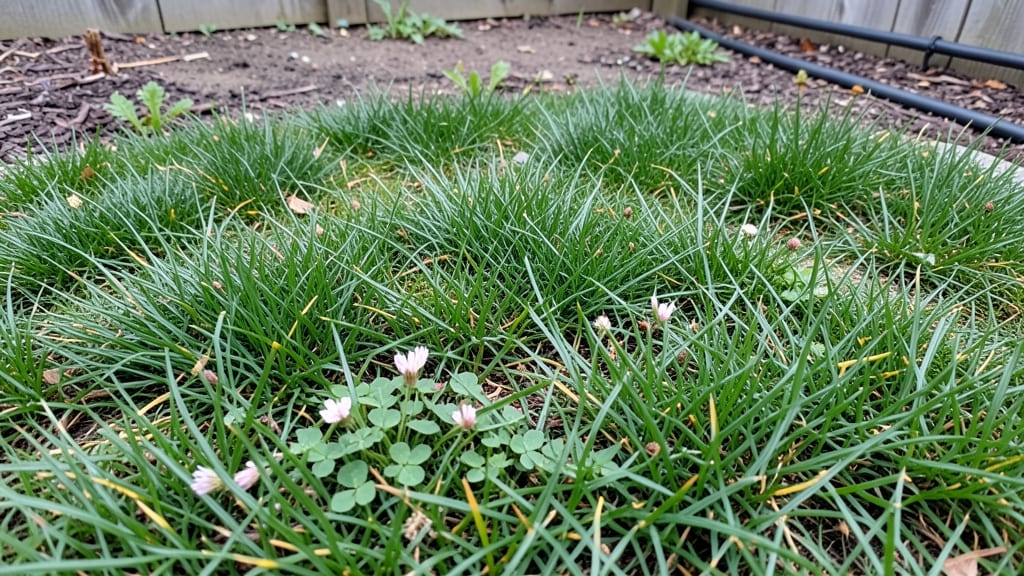
Grass in a garden doesn’t have to mean endless mowing or patchy brown spots. I’ve designed my backyard with ornamental grasses that stay lush all year, require zero lawn work, and actually enhance the landscape—no green thumb required.
These plants thrive where traditional lawns fail, adding texture, movement, and year-round interest without the upkeep.
The secret lies in choosing the right varieties: little bluestem for rusty fall color, feather reed grass for towering elegance, or maiden grass for delicate plumes. They handle drought, shade, and poor soil better than turf, and many even attract pollinators while keeping weeds at bay.
My favorite combo? A mix of switchgrass (for height) and blue fescue (for ground cover) that looks intentional, not accidental.
By replacing even a small patch of lawn with ornamental grasses, you’ll save hours on maintenance while creating a garden that feels alive—even in winter. The results?
A space that’s low-stress, high-impact, and finally looks like the serene retreat you’ve always wanted. Let’s make grass work for you instead of against you.
Works in containers, borders, or as a full replacement for lawns—no matter your space or climate. The best part? Once planted, these grasses practically take care of themselves. Here’s how to get started without the guesswork.
Root Causes of Unwanted Grass Spread
If your garden is slowly turning into a patchwork of grass instead of your dream botanical sanctuary, don’t blame your green thumb just yet. Grass spreads for very specific reasons, often tied to environmental conditions, soil health, or even human habits.
Understanding these root causes is the first step to reclaiming your garden’s natural beauty—without the endless mowing. Let’s dig into the science behind why grass takes over.
###
🌱 1. Seed Dispersal by Wind and Animals
Grass is a master of passive propagation. Even a single blade can produce thousands of seeds annually, and these lightweight seeds hitch rides on the wind, water, or unsuspecting wildlife. Here’s how it happens:
- Wind-powered spread: Fine grass seeds (like those from crabgrass or annual bluegrass) are designed to float. A single plant can release seeds up to 10 feet away, and storms or breezy days turn your garden into a seed-bombing zone. 🌪️
- Animal-assisted travel: Birds, squirrels, and even deer carry grass seeds on their fur or drop them in their droppings. If your garden borders a lawn, wildlife is likely your silent grass distributor. 🦊
- Waterborne seeds: Rain or irrigation can wash seeds from lawns, sidewalks, or neighboring properties into garden beds. This is why grass often invades low-lying areas first. 💧
Actionable fix: Install physical barriers like edging (brick, metal, or plastic) or mulch borders to block windblown seeds. For animal vectors, consider deer fencing or natural repellents like garlic spray.
###
🌍 2. Soil Compaction and Poor Drainage
Grass thrives where other plants struggle. Compacted or waterlogged soil creates the perfect storm for grass invasion because:
- Compaction = less competition: Heavy foot traffic, machinery, or clay-heavy soil crushes roots and reduces oxygen, making it hard for perennials or shrubs to establish. Grass, with its shallow, fibrous roots, exploits these gaps. 👟
- Waterlogged zones: Areas with poor drainage (like slopes or clay soils) become grass magnets. Many grass species, like creeping bentgrass, require moist conditions to spread aggressively. 💦
- Nutrient runoff: Fertilizer or compost from lawns leaches into garden beds, giving grass a nutrient boost while starving out slower-growing plants. 🌿
Actionable fix:
- Test your soil’s compaction level (poke a screwdriver in—if it won’t go past 3 inches, you’ve got a problem). Aerate annually with a core aerator. ⛏️
- Improve drainage by amending soil with organic matter (compost, peat moss) or installing French drains in problem areas. 🚰
- Avoid over-fertilizing garden beds—stick to slow-release, organic fertilizers tailored for flowers or veggies, not grass. 🌱
###
🌞 3. Light and Sun Exposure Gaps
Grass is a sun worshipper. It outcompetes shade-loving plants by leveraging:
- Full-sun dominance: Most garden grasses (like Kentucky bluegrass or Bermuda) need 6+ hours of direct sunlight daily. If you remove tall plants or prune shrubs, you’ve accidentally created a grass invitation. ☀️
- Fast germination: Grass seeds sprout in as little as 5–10 days in warm, sunny conditions, while many garden plants take weeks. This early advantage lets grass steal space before other seeds even germinate. ⏳
- Shade-tolerant cheaters: Some grasses (like annual bluegrass) can survive in partial shade, making them opportunistic invaders in dappled-light areas. 🌳
Actionable fix:
- Fill sun-exposed gaps with fast-growing ground covers like clover, creeping thyme, or ajuga, which outcompete grass for light. 🌿
- Use shade cloth or install taller plants (like hostas or ferns) to block sunlight in areas prone to grass invasion. 🌞→🌑
- Solarize soil in spring/summer: Cover bare spots with clear plastic for 4–6 weeks to bake out grass seeds and weeds. 🔥
###
🔄 4. Human Habits and Lawn Maintenance
Sometimes, the grass is literally on you. Common gardener mistakes accidentally encourage spread:
- Lawn clippings as mulch: Grass clippings contain viable seeds. Even if they look like “free fertilizer,” they’re often seed bombs waiting to explode in your garden. ✂️
- Improper edging: If your lawn and garden share a border, grass roots will creep sideways (rhizomes) or spread via stolons (horizontal stems). Without a barrier, it’s a slow takeover. 🏗️
- Over-tilling garden beds: Tilling aerates soil but also buries grass seeds deeper, where they can lie dormant for years before sprouting. Once they germinate, they’re harder to pull. 🔄
- Ignoring bare spots: A single bare patch in your garden is a grass recruitment center. Seeds from the lawn will colonize it faster than you can say “mow.” 🚫🌱
Actionable fix:
- Collect clippings in a sealed bag and dispose of them—never use them as mulch in garden beds. 🗑️
- Install deep edging (6+ inches) with metal or plastic barriers to block rhizomes and stolons. 🛡️
- Hand-pull or spot-treat bare spots with corn gluten meal (a natural pre-emergent) in early spring. 🌱➡️🚫
Grass spread isn’t random—it’s strategic. By targeting these four root causes, you can starve out unwanted grass and create a garden where your chosen plants (not weeds) call the shots. Next up? How to Stop It Before It Starts.
How to solve it
Even the most meticulously planned garden can fall victim to grass invasion—whether it’s creeping in from edges, sprouting between pavers, or stubbornly popping up in flower beds. The good news? With the right strategies, you can reclaim your garden’s beauty without resorting to harsh chemicals or endless weeding.
Below, we’ve mapped out targeted solutions for common grass-related problems, along with preventive tips to keep your space lush and intentional.
###
🌱 Grass Invading Flower Beds or Garden Paths
If grass is muscling its way into your prized flower beds or peeking through cracks in pathways, it’s time to act before it takes over.
- 🔪 Hand-Pull or Dig Out: For small patches, use a hand trowel or weeding tool to loosen the roots before pulling. Work when the soil is moist (after watering or rain) for easier removal. Pro tip: Wear gloves—grass roots can be tenacious! 💪
- 🌡️ Solarize the Soil: Cover the area with clear plastic sheeting for 4–6 weeks in hot weather. The sun’s heat will kill grass and weeds without chemicals. Best for sunny climates or late spring/summer.
- 🛡️ Block Future Growth:
- Lay down landscape fabric before adding mulch or planting. Secure edges with rocks or pavers.
- Use gravel, mulch, or bark to smother grass seeds and prevent regrowth.
###
🏡 Grass Sprouting Between Pavers or Driveway Cracks
Grass thrives in tiny gaps, but with a few simple steps, you can starve it out and keep your hardscapes looking clean.
- 🔥 Vinegar or Boiling Water: For stubborn grass, spray undiluted white vinegar (20% acetic acid) or pour boiling water directly onto the roots. Repeat weekly until dead. ⚠️ Warning: Avoid nearby plants—vinegar can harm them too!
- 👨🍳 Apply a Pre-Emergent Herbicide: Use a corn gluten meal or pre-emergent granular herbicide (like those containing pendimethalin) in early spring to prevent seeds from germinating.
- ⏰ Regular Maintenance:
- Sweep cracks regularly to disrupt grass seed settlement.
- Seal pavers or cracks with polyurethane or sand to block light and moisture.
###
🌿 Grass Overrunning Lawn Edges or Garden Borders
When grass spreads aggressively along borders, it’s often due to rhizomes (underground stems) or stolons (above-ground runners). Stop it in its tracks with these methods.
- 🍳 Cut and Smother:
- Mow or trim grass right at the edge of your garden beds to prevent spread.
- Lay down cardboard or thick newspaper (ink-free) over the trimmed area, then cover with 3+ inches of mulch to kill existing grass.
- 🔥 Flame Weeding: Use a propane torch (safely!) to burn off grass along borders. Ideal for large areas but requires caution—keep flammable materials away.
- 🎯 Install Physical Barriers:
- Edging tools (like metal or plastic borders) create a clean break between lawn and garden.
- Plant dense ground covers (e.g., creeping thyme, clover, or sedum) to outcompete grass naturally.
###
🌡️ Prevention Tips for Long-Term Grass Control
An ounce of prevention is worth a pound of cure! Keep grass at bay with these low-maintenance strategies:
- 💡 Improve Soil Health: Healthy soil = stronger plants that resist grass invasion. Amend with compost or organic matter to encourage deep root growth in your desired plants.
- ✨ Use Mulch Strategically:
- Apply 3–4 inches of mulch (wood chips, straw, or pine needles) to block sunlight and suppress weeds.
- Avoid piling mulch against tree trunks—keep it 2–3 inches away to prevent rot.
- 🌱 Choose Competitive Plants: Select fast-growing, dense plants (like hostas, ferns, or ornamental grasses) that crowd out weeds naturally.
- 🔄 Regular Inspections: Spend 10 minutes weekly checking borders, cracks, and edges for early signs of grass. Remove it before it spreads!
With these practical, eco-friendly fixes, you’ll spend less time battling grass and more time enjoying a garden that’s truly yours. Whether you’re dealing with a stubborn lawn encroacher or a few rogue shoots, the key is consistency and prevention—not brute force!
Frequently asked questions
What are the best ornamental grasses for low-maintenance gardens?
Start with feather reed grass for dramatic height, little bluestem for seasonal color, or maiden grass for delicate plumes. These varieties thrive in poor soil, handle drought, and require zero mowing. For ground cover, try blue fescue or switchgrass—both stay compact and suppress weeds naturally.
Can ornamental grasses replace traditional lawns entirely?
Mix tall grasses (like pampas grass) for height with low-growing varieties (such as blue fescue) to create a textured, year-round carpet. They handle foot traffic better than you’d expect and require only occasional trimming. Just avoid high-traffic areas for delicate species.
How do I prevent grass from spreading into my garden beds?
Install deep edging (6+ inches) with metal or plastic barriers to block rhizomes. For existing grass, smother it with cardboard + mulch or use corn gluten meal as a natural pre-emergent. Regularly inspect borders and remove sprouts before they establish roots.
Do ornamental grasses attract pests or diseases?
Most are pest-resistant, but Japanese beetles may target maiden grass or feather reed grass. For prevention, spray with neem oil or introduce beneficial nematodes. Overwatering can cause fungal issues—ensure proper drainage. Healthy plants rarely face major problems!
What’s the best time of year to plant ornamental grasses?
Spring or early fall are ideal for most varieties. Cool-season grasses (like blue fescue) prefer spring planting, while warm-season types (such as switchgrass) thrive when soil is warm. Avoid planting during extreme heat or frost—roots need stable conditions to establish.