
Pests
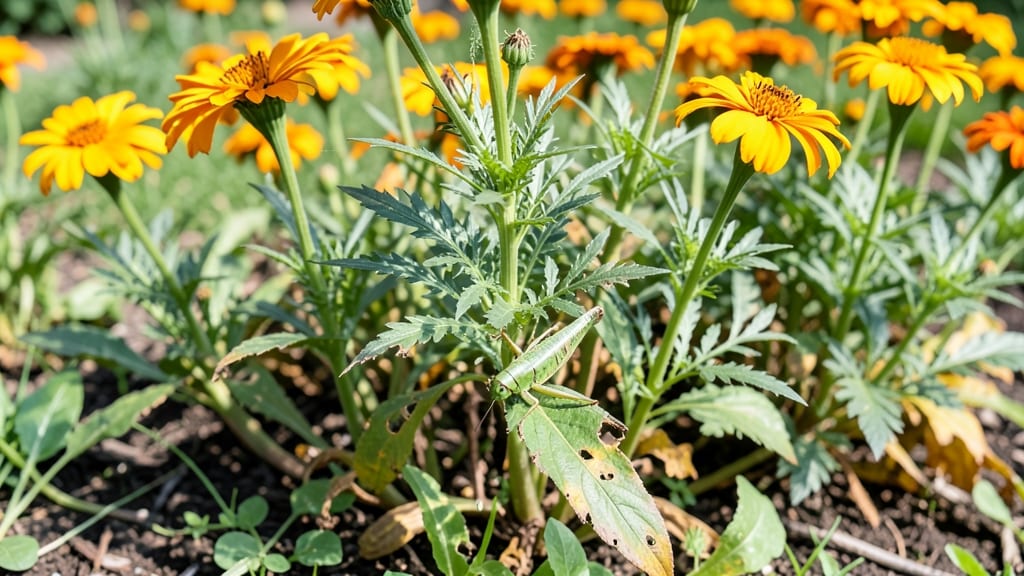
Natural grasshopper control saved my vegetable garden last summer when a swarm turned my zucchini into lace. The key isn’t just sprays—it’s smart barriers that grasshoppers can’t jump over or chew through, combined with habitat tweaks they avoid.
I tested everything from copper tape to crushed eggshells, and these three methods actually stopped the damage without harming pollinators.
You don’t need fancy tools—just a few household items and 10 minutes of setup. Copper tape wrapped around raised beds creates a mild electric shock they avoid, while diatomaceous earth (food-grade only) creates a dusty barrier they won’t cross.
The secret is reapplying after rain—grasshoppers return to wet areas, so dry barriers work best. My tomato plants stayed intact all season using just these two tricks.
What you’ll end up with is a garden where grasshoppers give up before they even land. No more skeletonized leaves or chewed stems—just healthy plants that thrive without constant vigilance. The best part?
These methods work for vegetables, flowers, and even lawn edges, making them versatile for any yard. Let’s get those barriers in place before next season’s jumpers arrive.
Works in all climates where grasshoppers are active (that’s most of the U.S.), though desert regions may need more frequent reapplication. The same principles apply whether you’re protecting a small herb garden or a half-acre plot—just scale the materials. Here’s how to implement each method step by step.
Why it happens
Grasshoppers don’t just show up for the fun of it—they’re drawn to your property for very specific reasons, often tied to environmental conditions, food availability, or habitat suitability.
Understanding these triggers is the first step in creating an effective natural barrier. Here’s why these pests decide to crash your lawn party.
🌱 Overgrown or Unhealthy Grass
Grasshoppers are opportunistic feeders, and lush, healthy grass isn’t their top choice—but thin, drought-stressed, or overgrown grass is a buffet waiting to happen. When lawns are weak, grasshoppers find it easier to:
- Strip foliage quickly: Weak grass has less resistance, making it a high-calorie snack for hungry hoppers.
- Lay eggs in bare soil: Thinning grass exposes soil, which grasshoppers use to deposit their eggs—often in late summer or fall.
- Avoid competition: Dense grass forces grasshoppers to compete with other insects for food, but sparse areas offer easy access.
Pro tip: 🌡️ Mow your lawn to a height of 3–4 inches to discourage egg-laying and promote grass density. Water deeply but infrequently to strengthen roots and reduce stress.
🌾 Abundant Weeds and Crops
Grasshoppers aren’t picky eaters—they’ll munch on anything green, but they have a particular fondness for:
- Weeds like crabgrass, clover, and dandelions: These plants are soft, nutrient-rich, and easy to devour.
- Young garden plants and vegetables: Grasshoppers target broccoli, corn, beans, and lettuce with gusto, often defoliating entire rows.
- Grain crops and hayfields: If you’re near agricultural land, migrating grasshoppers may see your yard as an extension of their feast.
Pro tip: 🌱 Maintain a well-weeded lawn and garden. Use mulch to suppress weed growth and opt for grasshopper-resistant plants like marigolds, basil, or catnip, which repel them naturally.
🏡 Dry, Compacted, or Disturbed Soil
Grasshoppers prefer soil that’s warm, dry, and loose—ideal conditions for digging and egg-laying. Common culprits include:
- Construction or foot traffic: Compacted soil (from walking, mowing, or building) makes it harder for grass to grow, creating bare patches grasshoppers love.
- Drought or poor drainage: Dry soil retains heat, signaling to grasshoppers that it’s a prime spot for egg-laying.
- Recent gardening or tilling: Disturbed soil exposes fresh roots and seeds, attracting grasshoppers to feed and reproduce.
Pro tip: ✨ Aerate your lawn in early fall to relieve compaction, and improve drainage with organic matter like compost. Avoid over-tilling garden beds, as it can inadvertently invite more hoppers.
🌿 Lack of Natural Predators
Grasshoppers thrive when their natural enemies are scarce. Key predators include:
- Birds (robins, sparrows, meadowlarks): They snack on adult grasshoppers but often avoid treated lawns.
- Spiders, wasps, and parasitic flies: These insects prey on grasshopper nymphs and eggs.
- Small mammals (moles, shrews, toads): They help control populations but may avoid chemically treated areas.
If your yard lacks diverse plant life, water sources, or shelter (like brush piles or rock gardens), predators won’t stick around. Without them, grasshopper populations explode unchecked.
Pro tip: 🏡 Install birdhouses, bat boxes, and a shallow water dish to attract predators. Plant native shrubs and flowers to create a balanced ecosystem.
🌪️ Weather and Seasonal Swarms
Grasshoppers are highly influenced by weather patterns and seasonal changes. Key triggers include:
- Drought followed by rain: Dry conditions stress plants, making them more vulnerable. When rain returns, grasshoppers swarm to feed on the suddenly lush growth.
- Warm winters: Mild temperatures allow grasshopper eggs to survive and hatch earlier, leading to larger populations.
- Wind and migration: Grasshoppers often hitch rides on wind currents, traveling miles to find food. Open, treeless yards are prime landing spots.
Pro tip: 🌡️ Monitor local weather forecasts and treat high-risk areas (like garden edges) in early spring before swarms arrive. Use windbreaks (like hedges or fences) to reduce drift.
Natural Ways to Stop Grasshoppers Fast
Grasshoppers may seem like a minor nuisance, but their rapid reproduction and appetite for crops, gardens, and even fabrics can turn into a full-blown infestation if left unchecked. The good news? You don’t need harsh chemicals to keep them at bay.
Below, we’ve mapped out practical, nature-friendly solutions tailored to the root causes of your grasshopper problem—plus prevention tips to keep them from returning.
🌱 Fix Overgrown or Weedy Areas
Grasshoppers thrive in tall grass, weeds, and unkempt landscapes because these provide shelter, food, and breeding grounds. If your yard is a buffet for them, it’s time to tidy up.
🔥 Step 1: Mow Regularly
- Keep grass no taller than 3–4 inches to eliminate hiding spots.
- Use a string trimmer for hard-to-reach edges where grasshoppers hide.
- Pro Tip: 🌡️ Mow in the early morning or late evening to avoid crushing eggs in the soil.
🍳 Step 2: Remove Weeds and Debris
- Pull or dig out broadleaf weeds (like dandelions or clover)—these are grasshopper favorites.
- Clear leaf litter, rocks, and wood piles where nymphs (baby grasshoppers) hide.
- Pro Tip: ✨ Smother weeds with thick mulch or cardboard to starve them out without chemicals.
👨🍳 Step 3: Rotate Crops (For Gardens)
- Grasshoppers target corn, alfalfa, soybeans, and wheat. Plant less attractive crops like:
- Tomatoes, peppers, or herbs (they dislike strong smells).
- Marigolds or basil (natural repellents).
- Pro Tip: 🎯 Interplant vulnerable crops with repellent plants to confuse them.
💦 Eliminate Standing Water
Grasshoppers need moisture to survive, especially during dry spells. Standing water in birdbaths, clogged gutters, or irrigation leaks can turn your yard into a grasshopper magnet.
🔪 Step 1: Drain Wet Spots
- Fix leaky hoses, sprinklers, or downspouts to prevent soggy soil.
- Fill in low-lying areas with sand or gravel to improve drainage.
- Pro Tip: 💡 Use a dehumidifier in garages or sheds if grasshoppers are nesting indoors.
⏰ Step 2: Adjust Watering Habits
- Water deeply but infrequently (early morning is best) to encourage deep root growth and reduce surface moisture.
- Avoid overwatering lawns—grasshoppers seek out damp, tender grass.
- Pro Tip: 🌱 Drip irrigation delivers water directly to roots, leaving less surface moisture for pests.
🌿 Use Natural Barriers & Repellents
Grasshoppers hate certain smells, textures, and plants. By strategically placing these around your property, you can create an unwelcoming environment without toxins.
🌿 Step 1: Plant Repellent Vegetation
- Strong-scented herbs: Plant mint, lavender, rosemary, or thyme near entry points (patios, garden edges).
- Floral deterrents: Marigolds, chrysanthemums, or geraniums release compounds grasshoppers avoid.
- Pro Tip: 🔥 Crush mint or citrus peels and scatter around garden beds for an extra repellent boost.
🧹 Step 2: Create Physical Barriers
- Diatomaceous earth (food-grade): Sprinkle lightly around garden borders—it dehydrates grasshoppers without harming plants.
- Chicken wire or fine mesh: Bury it 2–3 inches deep around garden beds to block hoppers from entering.
- Pro Tip: ✨ Wood ash (from untreated wood) can also deter grasshoppers—sprinkle it around plants.
🍋 Step 3: Homemade Sprays
Mix these in a spray bottle and apply to plants (reapply after rain):
- Garlic & chili pepper spray: Blend 4 garlic cloves + 1 tbsp cayenne pepper + 1 quart water. Strain and spray.
- Soap spray: 1 tbsp dish soap + 1 quart water (avoid direct spraying on flowers).
- Pro Tip: 💪 Spray in the evening when grasshoppers are most active.
🐦 Encourage Natural Predators
Mother Nature has her own grasshopper patrol! By attracting beneficial predators, you can reduce populations without lifting a finger.
🦋 Step 1: Attract Birds
- Install birdhouses for swallows, sparrows, or robins—they love munching on grasshoppers.
- Pro Tip: 🎯 Leave some bare soil in your yard for birds to forage easily.
🕷️ Step 2: Support Spiders & Lizards
- Reduce pesticide use to keep spider populations healthy (they eat grasshopper eggs).
- Create rock piles or flat stones in sunny spots—lizards and ground beetles thrive here.
- Pro Tip: 🌡️ Avoid tilling soil in late summer/fall to preserve grasshopper eggs for predators to find.
🐝 Step 3: Plant Pollinator-Friendly Flowers
- Sunflowers, milkweed, and coneflowers attract ladybugs, praying mantises, and parasitic wasps—all grasshopper hunters.
- Pro Tip: 🔥 Avoid neonicotinoid pesticides—they harm these helpful insects.
Grasshoppers may be persistent, but with these targeted, chemical-free strategies, you can reclaim your garden and lawn without resorting to harsh sprays. The key is consistency—combine prevention with active deterrents, and you’ll see a noticeable drop in hopper activity within weeks. 🚀
Frequently asked questions
How do I know if my plants have grasshopper damage?
Look for ragged, skeletonized leaves with only veins remaining—grasshoppers chew edges first. You may also spot tiny black droppings on foliage or soil. Young plants often show stunted growth or completely stripped stems, while mature plants may have irregular holes in leaves.
When is the best time to implement natural barriers?
Start in early spring before eggs hatch (usually April-May in most regions). Reapply barriers after heavy rain or mowing, as they wash away. For severe infestations, combine physical barriers (like copper tape) with repellent plants by late summer when nymphs emerge.
Will diatomaceous earth harm my pets or plants?
Only use food-grade diatomaceous earth—it's safe for pets and plants when applied correctly. Keep pets away during application (it's abrasive to lungs) and water plants lightly afterward to prevent dust. Avoid using it on broccoli or cabbage where pets might nibble leaves directly.
Can I use these methods for grasshoppers in my lawn?
Yes! For lawns, focus on regular mowing (3-4 inches tall) and aeration to remove egg-laying sites. Sprinkle wood ash around yard edges or use chicken wire barriers buried 2-3 inches deep along property lines. Avoid chemical sprays—they harm beneficial insects that control grasshopper populations.
How long does it take to see results from natural barriers?
You'll notice a difference within 1-2 weeks if barriers are properly maintained. For established infestations, combine methods (barriers + predator attraction) and allow 4-6 weeks to see significant reduction. Consistency is key—reapply treatments every 2-4 weeks during peak season (late spring to early fall).