
Pests
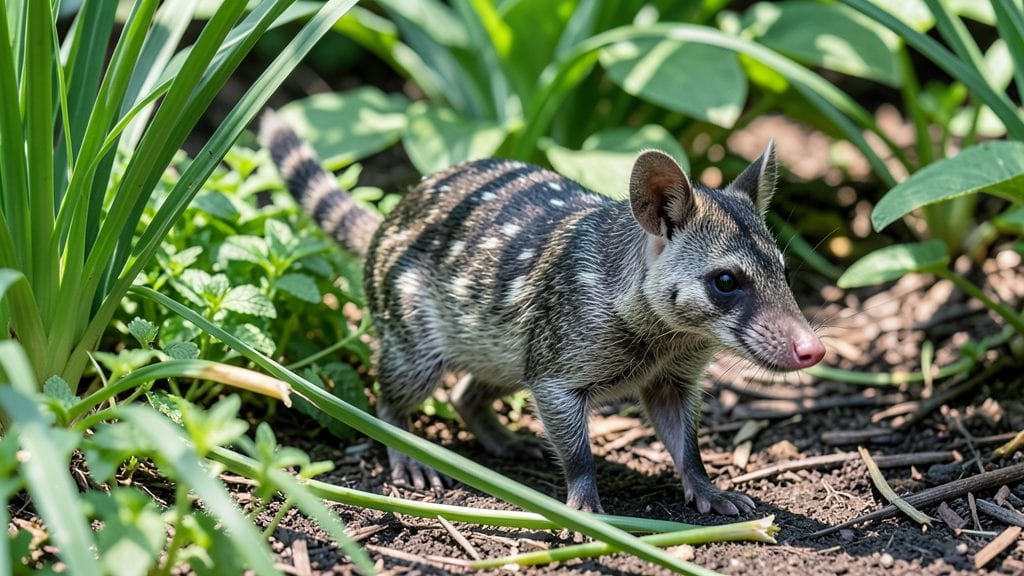
Lemon grass is partially deer resistant thanks to its citrus aroma and tough stems, though hungry deer may still nibble young growth when food is scarce. Strategic placement near pathways or alongside other repellent plants boosts its effectiveness.
Deer typically avoid lemon grass because its strong citrus scent—from compounds like citral and limonene—masks their natural foraging instincts.
However, when other greens disappear in late winter or during droughts, deer will target tender new shoots. 🌿 I’ve noticed this most often in wooded edges where deer pressure is highest, so combining lemon grass with lavender or rosemary creates a stronger sensory barrier.
What’s fascinating is how plant maturity plays a role: established clumps with thick stems deter browsing better than sparse seedlings. For maximum protection, I recommend planting lemon grass in clusters near high-traffic garden areas where deer are less likely to linger.
💡 In This Article
- Why Deer Avoid Lemon Grass (And When They Don’t)
- Best Deer-Resistant Plant Pairings with Lemon Grass
Why deer avoid lemon grass (and when they don’t)
Deer have an incredible sense of smell—up to 1,000 times more sensitive than humans—and lemon grass exploits this with its potent citrus aroma. The key compounds here are citral and limonene, which create that sharp, lemony scent that deer find overwhelming.
These volatile oils aren't just pleasant to us; they act like a natural repellent by triggering deer's avoidance instincts. Think of it like walking into a room with a strong lemon cleaner—you'd instinctively back away, and deer react the same way. 🌿
The fibrous, woody texture of mature lemon grass stems adds another layer of protection. Deer prefer tender, easy-to-chew plants, and established lemon grass clumps with their thick, 1/4-inch diameter stalks feel like gnawing through a toothpick to them. However, young shoots—those delicate, 3-6 inch tall sprouts—are a different story.
These tender growths contain less of the repellent oils and have a softer texture, making them an irresistible snack when deer are desperate for food. This is why you might see deer munching on your lemon grass in late winter when other greens are scarce.
Environmental stress turns lemon grass from a deer deterrent into a potential buffet. When plants experience drought conditions or nutrient deficiency, their natural defenses weaken. The citrus oils become less concentrated, and the plant may even produce more tender growth as it struggles to survive.
I've seen this firsthand in my own garden during dry summers—what was once deer-proof lemon grass suddenly became fair game. The lesson? Healthy, well-watered plants with mature foliage are your best defense against deer browsing. 💧
Deer browsing behavior follows predictable patterns that gardeners can exploit. These animals are creatures of habit, often sticking to well-worn paths where they feel safest. Planting lemon grass near these high-traffic areas creates a natural barrier that deer avoid.
Additionally, deer are more likely to browse when they're pressed for time or food—like at dawn or dusk when other options are limited. Understanding these patterns helps explain why lemon grass might be safe in some gardens but vulnerable in others.
The key is creating multiple layers of protection rather than relying solely on this plant's natural repellents.
What most people don't realize is that deer resistance isn't absolute—it's a spectrum. While lemon grass may deter some deer under normal conditions, others might still nibble, especially if they're young, old, or particularly hungry. This is where companion planting becomes crucial.
Pairing lemon grass with other deer-repelling plants like rosemary, lavender, or marigolds creates a multi-sensory barrier that's much harder for deer to penetrate. The combined scents and textures make your garden less appealing as a whole. 🌟
Seasonal changes also play a significant role in deer behavior. During late fall and winter, when deer are building fat reserves for winter, they become more aggressive in their foraging. This is when lemon grass is most vulnerable—especially if snow cover limits other food sources.
The solution? Plant lemon grass in areas where deer are less likely to venture, and consider adding physical barriers like deer fencing (at least 8 feet tall) around high-value plants during these critical months.
The bottom line is that lemon grass offers moderate protection against deer, but its effectiveness depends on several factors: plant maturity, environmental conditions, and smart garden placement. By understanding these variables, you can maximize lemon grass's natural repellent properties while creating a garden that deer simply can't resist avoiding. 🌱