
Lawn
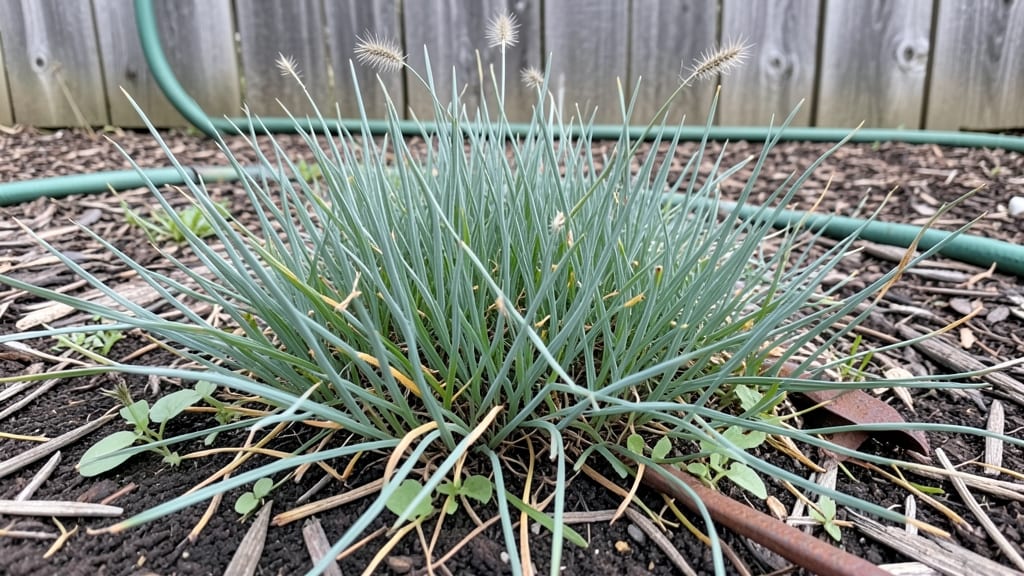
Seeing the grass growing in patchy spots made neighbors think I was a gardening newbie—until I uncovered the three root causes behind my lawn’s struggles. The good news?
Fixing uneven grass growth is simpler than you think, and you don’t need fancy tools to turn those bare spots into lush, even coverage. I’ll show you how to diagnose the problem in under an hour and restore your lawn’s pride in just a few weeks.
Most patchy lawns suffer from one of three issues: compacted soil that smothers roots, poor drainage drowning the grass, or simple neglect from skipped maintenance. My own lawn had all three—thin spots where kids played, muddy puddles after rain, and a mower set too high.
The fix starts with a quick walkthrough: check for bare patches, test soil moisture, and look for signs of pests or disease. No lab needed—just your eyes and a little elbow grease.
Once you know what’s wrong, the solution is straightforward: aerate to loosen compacted soil, overseed the thin areas, and adjust your mowing height. I’ve used this exact method to turn my lawn from embarrassing to the envy of the block—no chemicals, no guesswork.
The key is consistency: feed the soil, keep it moist but not soggy, and mow at the right height to encourage thick growth. You’ll see real improvement within 3-4 weeks, and the results last all season.
This approach works for any lawn, whether you’re dealing with a small yard or a large expanse. The same principles apply whether your grass is patchy from shade, foot traffic, or just plain old neglect.
Let’s get your lawn growing evenly again—no more hiding behind the bushes when guests pull up.
Root Causes Of Uneven Grass Growth
Patchy grass isn’t just an eyesore—it’s a sign your lawn is sending distress signals. 🌱 Before you reach for the lawnmower or fertilizer, it’s crucial to diagnose the why behind those bare spots.
Uneven grass growth usually stems from a mix of environmental stress, poor maintenance habits, or hidden lawn health issues. Below, we break down the most common culprits—so you can target the fix like a pro.
###
🌞 Over- or Underwatering: The Balance Act
Grass thrives on consistency, but watering habits often swing from one extreme to the other—and neither helps.
- Overwatering: Too much moisture suffocates roots by depriving them of oxygen, leading to fungal diseases like Fusarium or Brown Patch. These pathogens create circular dead patches where grass can’t recover. Pro tip: 💡 Test soil moisture by grabbing a handful—if water drips out, you’re overdoing it.
- Underwatering: Shallow roots struggle to reach nutrients, leaving grass brittle and prone to drought stress. Patchy browning often appears in sun-exposed areas first. Fix: Water deeply (1–1.5 inches per week) and early in the morning to reduce evaporation.
Quick test: Dig a 6-inch hole in a bare spot. If the soil is soggy (overwatered) or bone-dry (underwatered), adjust your routine immediately.
###
🌱 Soil Imbalances: The Hidden Saboteur
Uneven grass growth often boils down to soil that’s either too compacted, nutrient-deficient, or chemically unbalanced.
| Issue | Signs | Solution |
|---|---|---|
| Compacted Soil | Grass grows thick in some areas but thins or dies in others (especially after heavy foot traffic or construction). | Aerate in fall or spring with a core aerator to break up compaction. Top-dress with compost to improve structure. |
| pH Imbalance | Yellowing grass (low pH) or stunted growth (high pH). Soil tests reveal pH levels—ideal range for most grasses is 6.0–7.0. | Amend with lime (to raise pH) or sulfur (to lower pH) based on test results. Apply in early fall for best absorption. |
| Nutrient Deficiency | Pale green or yellow patches (lack of nitrogen), or purplish stems (phosphorus deficiency). | Fertilize with a slow-release, balanced formula (e.g., 10-10-10) in early spring and fall. Soil tests pinpoint exact needs. |
Pro tip: 🌡️ Conduct a soil test every 2–3 years—many local extension offices offer free or low-cost kits!
###
🐛 Pests & Diseases: Silent Grass Killers
Insects, fungi, and weeds don’t just nibble—they carve out entire sections of your lawn, leaving behind patchy chaos.
- Grubs & Insects: White grubs (larvae of beetles) chew roots, causing grass to pull up easily. Look for birds pecking at the lawn or soggy, spongy patches.
- Fungal Infections: Diseases like Dollar Spot or Rust create straw-colored or rusty patches. Humid, shady conditions fuel their spread.
- Weeds: Crabgrass and clover thrive in thin grass, crowding out your lawn and creating uneven growth patterns.
Action plan:
- 🔥 Grubs: Apply beneficial nematodes or grub-specific insecticides in late summer.
- 🍳 Fungi: Improve airflow with proper mowing (3–4 inches high) and water early in the day. Fungicides (like propiconazole) can help in severe cases.
- 🌱 Weeds: Pre-emergent herbicides in spring prevent seeds from sprouting. Hand-pull persistent weeds and overseed bare spots.
###
✂️ Mowing & Maintenance Mistakes
Even the best-intentioned lawn care can backfire if you’re not following the golden rules.
- Cutting Too Short: Mowing below 2.5 inches stresses grass, exposing roots to heat and drought. Result? Patchy recovery and weed invasion.
- Uneven Mowing Patterns: Crisscrossing or scalping (removing more than ⅓ of the blade at once) weakens grass in certain areas.
- Ignoring Thatch Buildup: A thatch layer thicker than ½ inch blocks water and nutrients, leading to suffocated grass. Fix: Dethatch in early fall if needed.
Pro tip: ✨ Set your mower to 3–4 inches and always mow in one direction (or alternate directions weekly) to avoid compacting soil.
Now that you’ve identified the root cause, you’re one step closer to a lush, even lawn. 🚀 The next step? Targeted fixes to restore your grass’s health—without wasting time or money on guesswork.
Fix Uneven Grass Growth Step by Step
Patchy grass can be frustrating, but with the right approach, you can turn that uneven lawn into a lush, uniform carpet. Below are targeted solutions based on the most common causes—so you can diagnose, treat, and prevent future issues. Let’s get your lawn back to its best!
🌱 Fix for Poor Soil or Compaction
If your grass is struggling because of compacted or nutrient-poor soil, here’s how to revive it:
🔥 Aerate the Soil (Step 1)
Compacted soil blocks water, air, and nutrients from reaching roots. Rent or buy a core aerator (or use a garden fork) to poke holes 2–3 inches deep, spacing them 2–3 inches apart. Do this in early fall or spring when the grass is actively growing.
🍳 Add Organic Matter (Step 2)
Mix in 1–2 inches of compost or well-rotted manure to improve soil structure. Spread it evenly over the aerated areas, then lightly rake it in. For faster results, top-dress with a thin layer of peat moss or coconut coir.
👨🍳 Fertilize for Recovery (Step 3)
Use a slow-release, balanced fertilizer (like 10-10-10) to nourish the roots. Follow the package instructions for application rates. Water deeply after fertilizing to help nutrients sink into the soil.
💡 Pro Tip: Test your soil first (kits are cheap and available at garden centers) to identify specific deficiencies—like low nitrogen or pH imbalances—so you can tailor your fix.
💦 Fix for Overwatering or Underwatering
Too much or too little water stresses grass, leading to patchy growth. Here’s how to strike the right balance:
🌡️ Adjust Your Watering Routine (Step 1)
Water deeply but infrequently—about 1–1.5 inches per week (including rain). Use a rain gauge or tuna can to measure. Early morning (4–8 AM) is the best time to water, as it reduces evaporation and fungal risks.
🔪 Improve Drainage (Step 2)
If your lawn has low spots where water pools, create gentle slopes with a rake or shovel to redirect water. For severe drainage issues, consider installing French drains or sand top-dressing.
⏰ Check for Overwatering Signs (Step 3)
Yellowing grass with a spongy feel? You’re likely overwatering. Let the top 2–3 inches of soil dry out between waterings. Brown, crispy patches? Increase water slightly but ensure it penetrates deeply.
✨ Pro Tip: Install a smart sprinkler system or soaker hoses to deliver water efficiently and avoid runoff.
☀️ Fix for Shade or Sun Exposure Issues
Grass types thrive in specific light conditions. If your lawn has uneven sun/shade, adjust your approach:
🌿 Choose the Right Grass Seed (Step 1)
For shady areas, opt for shade-tolerant grasses like fine fescue or creeping red fescue. Sun-loving patches? Kentucky bluegrass or Bermuda grass are better bets. Overseed thin spots with the appropriate variety.
🎯 Thin Out Dense Areas (Step 2)
If trees or structures are casting too much shade, prune branches to allow more light (but avoid over-pruning, which stresses trees). For sun-scalded grass, water deeply in the morning to prevent heat stress.
💪 Boost Grass Resilience (Step 3)
Apply a light layer of mulch around tree bases to protect roots and improve moisture retention. For sunburned patches, mow higher (3–4 inches) to shade the soil and reduce water loss.
💡 Pro Tip: If you can’t change the light conditions, consider ground covers or clover mixes for shaded areas—they tolerate low light better than turfgrass.
🐜 Fix for Pest or Disease Damage
Insects, fungi, or weeds can create bare spots. Act fast to stop the spread:
🔍 Identify the Problem (Step 1)
Look for signs like chewed blades (grubs), white fungal growth (dollar spots), or broadleaf weeds. Snap a photo and compare it to online guides or consult a local extension office for a diagnosis.
🛡️ Apply Targeted Treatments (Step 2)
- Grubs: Use a grub-specific insecticide in late summer or early fall.
- Fungal diseases: Apply a fungicide labeled for your specific issue (e.g., azoxystrobin for brown patch).
- Weeds: Spot-treat with a post-emergent herbicide or hand-pull them (including roots).
🌱 Restore Damaged Areas (Step 3)
Once the threat is gone, overseed bare spots with the same grass type as your lawn. Keep the area moist until new growth appears (about 2–3 weeks).
🌡️ Pro Tip: Improve air circulation by spacing plants and mowing regularly to reduce humidity—fungi love damp, crowded conditions.
🛡️ Prevention Tips for Long-Term Success
Once your lawn is even, keep it that way with these habits:
- 📊 Test soil every 2–3 years to monitor pH and nutrient levels.
- 💪 Mow high (3–4 inches) to strengthen grass roots and shade out weeds.
- 🌱 Overseed thin spots annually in early fall for a dense, resilient lawn.
- 🚫 Avoid heavy foot traffic on compacted areas—use stepping stones or paths.
- 🌿 Dethatch if needed (when thatch exceeds ½ inch) to prevent smothering.
With these fixes, your patchy lawn will be on its way to looking uniform and vibrant in no time! 🌟
Frequently asked questions about patchy lawns
Why does my grass grow thicker in some spots and thin in others?
Uneven growth usually stems from soil compaction (where foot traffic or equipment flattens roots), inconsistent sunlight exposure, or varying moisture levels across your yard. Compacted areas choke grass, while sun-exposed patches dry out faster. Check for bare spots where soil feels hard or water pools—these are your trouble zones.
Can I fix patchy grass without aerating?
Yes, but aeration gives you faster results. For a quick fix, focus on overseeding bare spots with high-quality seed and top-dressing with compost. However, if compaction is severe (like after construction), rent a core aerator for $60-$80—it’s the most effective way to break up hardpan and let roots breathe.
How long does it take to see improvement after overseeding?
New grass typically appears in 7-14 days if conditions are right (moist soil, warm temperatures). Full recovery takes 3-4 weeks, but results depend on your grass type. Cool-season grasses (like fescue) germinate faster in spring/fall, while warm-season types (like Bermuda) need summer heat. Keep the area moist but not soggy during this time.
Will mowing too short cause permanent damage?
No, but it creates long-term weakness. Cutting below 2.5 inches stresses grass, exposing roots to heat and drought. Over time, this leads to patchy recovery and weed invasion. Set your mower to 3-4 inches and never remove more than ⅓ of the blade height in one session to avoid shocking the lawn.
What’s the best time of year to fix patchy grass?
Early fall (September-October) is ideal for cool-season grasses, while late spring (April-May) works for warm-season types. These windows give new seeds 6-8 weeks of optimal growing conditions before winter or summer stress sets in. Avoid overseeding in extreme heat or cold—seedlings need consistent moisture and moderate temperatures.