
Lawn
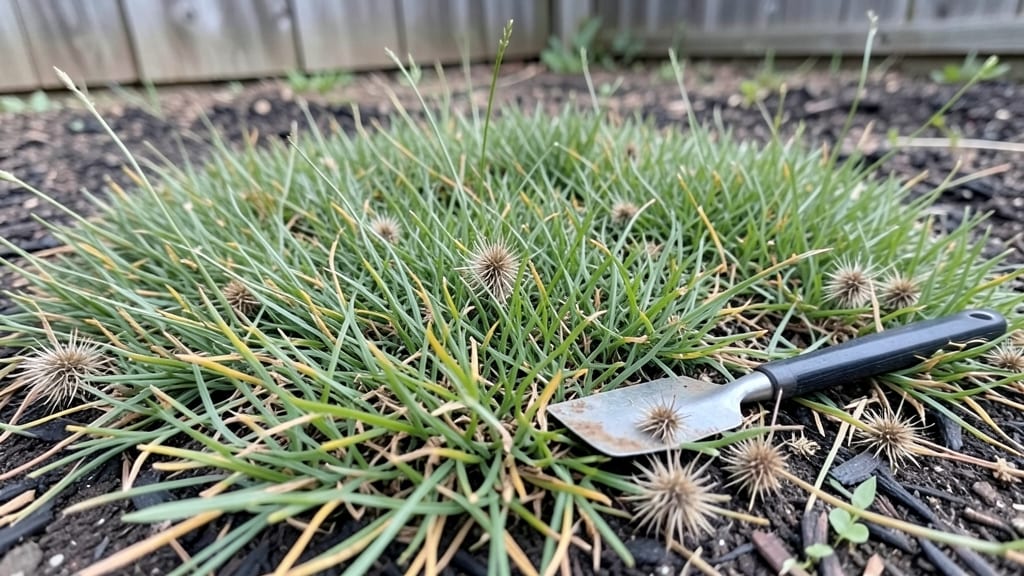
Grass burr removal doesn’t have to be a battle—it’s all about the right technique and timing. 🌱 I’ve spent too many afternoons cursing these spiky little invaders, but I’ve since perfected a method that gets them out in minutes without ruining your lawn.
The secret lies in dry conditions, the right tools, and a little patience.
Most burrs cling because they’re dry and brittle, so wait for a sunny, windless day to make extraction easier. A simple pair of long-handled gloves and a stiff brush (or even a plastic fork) work wonders—no fancy equipment needed.
Grab the base firmly and twist to break them free, then bag them up before they spread further.
Once you’ve cleared them, the real win comes in prevention. Overseeding your lawn thickens grass so burrs have fewer gaps to take hold, and a sharp mower blade keeps grass healthy and competitive.
I’ve gone from pulling burrs weekly to barely noticing them after just one season of these simple tweaks.
Best time to tackle them? Early morning on a dry day—burrs are most brittle then, and your lawn recovers faster. For stubborn patches, a vinegar spray (1:1 ratio) weakens their grip overnight, making removal even simpler next day. Your feet (and lawnmower) will thank you.
The Hidden Triggers Behind Stubborn Burrs
Grass burrs—those spiky little invaders—don’t just appear out of nowhere. They’re the result of a mix of environmental factors, plant biology, and even human activity. Understanding why they latch onto your lawn (or your socks!) is the first step to preventing them.
Let’s break down the science behind these stubborn seed pods and why they keep coming back.
###
🌱 Natural Seed Dispersal Strategies
Burrs are nature’s way of ensuring survival. Many grass species, like crabgrass and nutgrass, rely on burrs to spread their seeds. Here’s how it works:
- Wind-assisted travel: Lightweight burrs hitch rides on breezes, landing in your lawn or garden beds. Their barbed structures help them stick to anything—grass, clothing, or even pet fur—once they make contact.
- Animal and human hitchhiking: Birds, squirrels, and even your dog can unknowingly transport burrs across yards. And let’s be honest—if you’ve ever brushed against a patch of burr-infested grass, you’ve likely become an accidental distributor.
- Soil disturbance: Tilling, aerating, or even walking on compacted soil can expose buried burrs, giving them a fresh chance to germinate. Some burrs lie dormant in the soil for years before sprouting under the right conditions.
Pro tip: 🌡️ Timing matters. Burrs are most aggressive during late spring to early summer, when grasses are actively growing and dispersing seeds. Stay vigilant during these peak months!
###
🌞 Environmental Conditions That Encourage Growth
Burrs thrive when conditions are just right for their host grasses. Here’s what gives them a competitive edge:
| Factor | How It Helps Burrs |
|---|---|
| Sunlight | Full sun (6+ hours/day) fuels rapid grass growth, leading to more seed production—and more burrs. Shady areas may see fewer burrs, but weeds like nutgrass can still dominate. |
| Poor Soil Quality | Compacted, nutrient-poor, or overly sandy soil stresses desirable grasses, leaving gaps for burr-producing weeds to move in. pH imbalances (too acidic or alkaline) also weaken grass roots, making it easier for burrs to take hold. |
| Irregular Watering | Drought stress or overwatering creates ideal conditions. Drought weakens grass, while excess moisture (like in low-lying areas) encourages crabgrass and other burr-bearing weeds. |
| Thin or Patchy Lawns | Gaps in your turf act like an open invitation. Burrs latch onto bare spots, and their host grasses spread unchecked. Thatch buildup (a layer of dead grass and debris) can also trap burrs and protect them from herbicides. |
Pro tip: ✨ Test your soil! A simple pH test (available at garden centers) can reveal if your lawn is too acidic or alkaline. Aim for a neutral pH (6.0–7.0) to discourage burr-friendly weeds.
###
🔄 Human Habits That Spread Burrs
Even the best-laid lawn plans can go awry if burrs keep getting reintroduced. Here’s how everyday actions might be working against you:
- Using contaminated tools: Mowers, rakes, and aerators can pick up burrs from infested areas and spread them to clean patches. Always sanitize tools with a bleach solution (1 part bleach to 9 parts water) after use.
- Improper disposal of grass clippings: Leaving clippings on the lawn can bury burrs, giving them a chance to germinate. If your mower has a mulching feature, use it only on burr-free areas.
- Ignoring weeds early on: A single burr plant can produce thousands of seeds per season. Pulling weeds before they go to seed is the #1 way to stop the cycle.
- Pet and shoe tracking: Dogs, kids, and even your gardening shoes can transport burrs from one part of the yard to another. Rinse pets’ paws after walks and store shoes outside the house.
Pro tip: 💡 Create a burr-free zone. Keep a small patch of your yard completely weed-free (using pre-emergent herbicides in spring) to give burrs no place to hide. This acts as a buffer for your entire lawn.
Now that you know why burrs are so persistent, the next step is smart prevention—because the best removal starts with stopping them before they start. 🚀
How to solve it
Grass burrs—those spiky little invaders—can turn a peaceful lawn into a prickly nightmare. Whether they’re clinging to your shoes, tangled in your pet’s fur, or lodged in your skin, the good news is that removal doesn’t have to be a battle.
Below, we’ve mapped out the most effective solutions based on where and how the burrs are causing trouble, plus foolproof prevention tips to keep them from returning.
🧦 Burrs Stuck in Skin or Clothing
When burrs latch onto delicate areas like skin, fabric, or even your pet’s coat, the key is gentle yet firm removal to avoid irritation or tearing. Here’s how to tackle them:
🔥 For Skin: Soak and Slide
- Warm, soapy water: Soak the affected area (or the entire garment) in warm water with a mild soap for 10–15 minutes. This softens the burr’s grip.
- Rubbing alcohol trick: Dab a cotton ball with rubbing alcohol and press it onto the burr for 30 seconds. The alcohol dissolves the burr’s natural adhesives, making it easier to slide off with your fingernail or a dull knife.
- Pet-safe tip: For dogs or cats, use a fine-tooth comb dipped in coconut oil (it loosens burrs without harming fur). Gently work the comb through the coat in the direction of hair growth.
🧵 For Fabric: Freeze or Brush
- Freeze first: Place the garment in a sealed bag and pop it in the freezer for 1–2 hours. Cold makes burrs brittle—tap them out with a wooden spoon or brush.
- Duct tape method: Press the sticky side of duct tape firmly over the burrs, then rip it off quickly. Repeat until the fabric is clear.
- Lint roller rescue: For small burrs on clothing, a lint roller is your secret weapon—just roll it over the fabric until the burrs cling to the roller instead.
✨ Pro Tip: If a burr is deeply embedded in skin, don’t pull it out forcefully—this can cause splintering. Instead, cover it with a bandage and let it fall out naturally over a few days.
🌱 Burrs in Lawn or Garden Beds
Preventing burrs from taking over your yard starts with smart lawn care and strategic removal. Here’s how to reclaim your green space:
🔪 Manual Removal: Tools of the Trade
- Garden gloves + tweezers: Wear thick gloves to protect your hands, then use pointed tweezers to pluck burrs from soil or mulch. Work in small sections to avoid missing any.
- Rake attack: Use a bow rake with narrow tines to drag burrs into a pile, then scoop them up with a dustpan. This works best on dry, sunny days when burrs are easier to dislodge.
- Vacuum hack: For burrs in cracks or tight spaces, a shop vac with a hose attachment can suck them up like a lawn vacuum. Empty the debris into a sealed bag for disposal.
🌡️ Prevent Regrowth: Adjust Your Lawn Routine
- Mow high: Keep grass at 3–4 inches tall—taller grass shades out burr seeds, making it harder for them to germinate.
- Dethatch regularly: Use a dethatching rake in spring to remove thatch layers where burr seeds love to hide.
- Pre-emergent herbicide: Apply a corn gluten meal or pre-emergent in early spring to block burr seeds from sprouting.
💡 Prevention Hack: Spread a thin layer of sand over freshly seeded areas—it smothers burr seeds while letting grass grow through.
🚗 Burrs on Cars or Outdoor Gear
Burrs love to hitch rides on vehicles, tools, and patio furniture. Here’s how to evict them without damage:
🧽 Quick Cleanup: Brush and Blast
- Stiff-bristle brush: Scrub the surface (car, grill, or deck furniture) with a brush to loosen burrs, then wipe away debris with a damp microfiber cloth.
- Air compressor: For tight spots like wheel wells or under chairs, use an air compressor to blow burrs out. Hold the nozzle close to the surface for maximum force.
- Vinegar rinse: Mix equal parts water and white vinegar in a spray bottle, then spray on stubborn burrs. Let sit for 5 minutes before wiping clean—vinegar breaks down their adhesive.
🛡️ Long-Term Defense: Create a Barrier
- Car mats: Line your car seats with rubber-backed mats or old towels. Burrs stick to these instead of your upholstery.
- Furniture covers: Use waterproof outdoor covers on chairs and tables to block burrs from landing in the first place.
- Regular washes: Hose down outdoor gear (like lawnmowers or grills) after each use to prevent burr buildup.
⚠️ Warning: Avoid pressure washers on delicate surfaces like wood or fabric—they can drive burrs deeper into the material.
Frequently asked questions about stubborn plant debris
Why do burrs cling so tightly to clothing and skin?
Burrs have tiny barbs that hook into fabric fibers or skin pores when dry. The drier and more brittle they become, the stronger their grip. Warm water or rubbing alcohol weakens their adhesive properties, making removal easier. Always tackle them when conditions are dry and sunny for best results.
Can I use vinegar to remove burrs from my lawn?
Yes! A 1:1 vinegar-water spray weakens burrs' grip overnight. Apply in the evening, then rake them up the next morning. The acidity breaks down their natural adhesives without harming grass. For stubborn patches, reapply after 24 hours.
What's the best time of year to tackle lawn burrs?
Late spring to early summer is peak burr season when grasses are actively dispersing seeds. Target removal before they spread further. Early morning on dry days works best—burrs are most brittle then. Regular maintenance prevents them from taking over.
Will my lawnmower spread burrs to clean areas?
Burrs hitch rides on mower blades and wheels. Always mow clean areas first, then infested patches. Sanitize blades with a bleach solution (1:9 ratio) between sections. Consider using a bagging attachment to contain debris.
How do I prevent burrs from returning next season?
Start with pre-emergent herbicide in early spring, maintain 3-4 inch grass height, and overseed thin areas. Regular dethatching and proper watering (1 inch per week) create an unhealthy environment for burr-producing weeds. A thick lawn is your best defense!