
Lawn
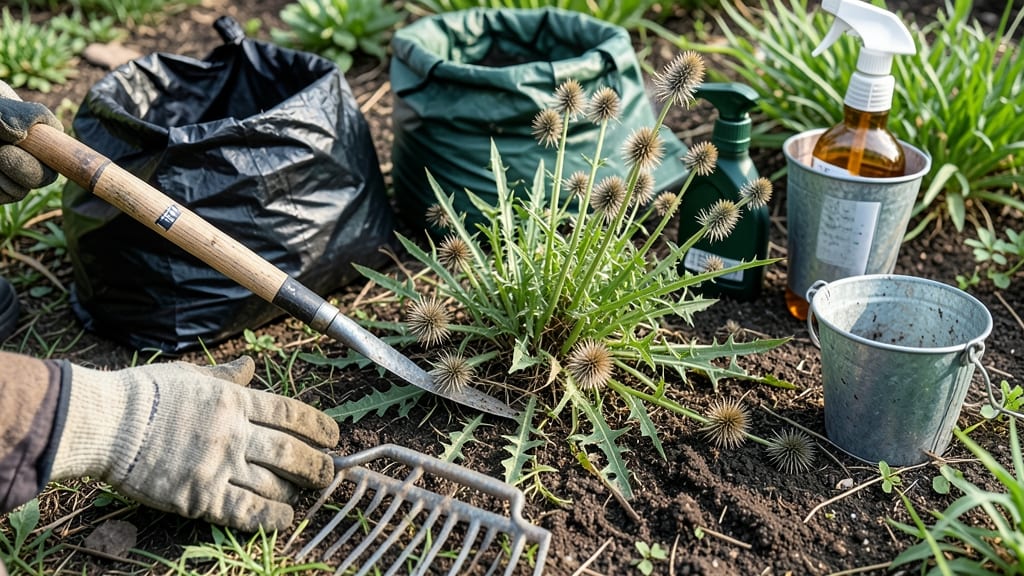
Grass burrs turning your lawn into a spiky nightmare? 🌱 The pull-and-burn method is your best shot at reclaiming smooth, barefoot-friendly grass—even when those stubborn roots dig in deep. I’ve wrestled with these prickly invaders for years, and this approach works when raking and herbicides fail.
The secret lies in timing and technique: pull when soil is moist (early morning or after rain), then burn the debris immediately to starve remaining roots. Most people give up too soon—keep at it for 3-4 weeks, and you’ll see progress.
For stubborn patches, repeat the process until the area stays clear. You’ll end up with a lawn that’s soft underfoot and free of those painful burrs. The key is persistence—once you break their cycle, they won’t return. Prevention starts with improving soil health to crowd out weeds naturally.
This method works year-round but is most effective in spring or fall when burrs are actively growing. Let’s tackle this step by step!
The Hidden Triggers Behind Stubborn Grass Burrs
Grass burrs—those prickly, spiky invaders—don’t just appear out of nowhere. They’re the result of a mix of environmental, seasonal, and even human factors that create the perfect conditions for their spread.
Understanding these causes is key to preventing them in the first place. Below, we break down the science behind why your lawn becomes a burr battleground.
Grass burrs (often from species like Cenchrus echinatus or Cenchrus ciliaris) thrive when other weeds go unchecked. These burrs are actually the seed heads of certain grasses, designed to latch onto animals, clothing, or tools for dispersal. Here’s how it happens:
- Lack of mowing: Tall grass and weeds create dense patches where burr-producing grasses can flourish. When left untrimmed, their seeds mature and release into the wind or hitchhike on passing creatures.
- Poor soil competition: If your lawn has bare spots or weak grass, burr grasses fill the gap. They outcompete desirable turfgrass because they’re aggressive pioneers, thriving in disturbed or compacted soil.
- Seed contamination: Many lawn seed mixes contain fillers or "weed seeds" that slip through quality checks. Even "premium" blends can include burr grasses if sourced from untreated fields.
Pro tip: 💡 Mow regularly (at 2–3 inches) and overseed thin areas in fall to starve out burr grasses before they seed.
Burr grasses love stress. Compacted or waterlogged soil creates the ideal conditions for them to take root because:
- Reduced turfgrass health: Compacted soil cuts off oxygen and nutrients to your lawn, weakening it. Burr grasses, with their deep or fibrous root systems, thrive in these conditions because they can access moisture and nutrients more efficiently.
- Water pooling: Areas where water sits (like slopes or low spots) become breeding grounds. Burr grasses often germinate in damp, undisturbed soil, especially after heavy rain or irrigation.
- Lack of aeration: Without core aeration, soil becomes a dense mat. This prevents desirable grasses from spreading while leaving gaps for burr seeds to colonize.
Pro tip: ✨ Aerate in fall and top-dress with compost to improve soil structure. Drainage issues? Install a French drain or sand-topped swales to redirect water.
Burr grasses are opportunistic. They time their life cycle to exploit seasonal weaknesses in your lawn:
| Season | Why Burrs Take Over | Actionable Fix |
|---|---|---|
| Spring | Warm, moist soil + new growth = perfect germination window. Burr seeds lie dormant in winter and sprout as soon as temperatures hit 55–65°F. | Apply pre-emergent herbicide in early spring (before burrs appear) or overseed with a dense, competitive grass like tall fescue. |
| Summer | Drought stress weakens turfgrass, leaving bare patches for burr seeds (which are often already in the soil) to germinate. | Water deeply 1–2x/week and avoid scalping the lawn with short mowing. |
| Fall | Cool nights + warm days trigger rapid seed production. Mature burrs release thousands of seeds, which spread via wind or animals. | Pull or rake out burrs before they release seeds (more on this in the removal section!). |
Pro tip: 🎯 Monitor your lawn’s "weak spots"—areas near sidewalks, driveways, or pet paths are high-risk zones for burr invasion.
Even your best efforts can unintentionally introduce burrs. Here’s how:
- Contaminated tools: Mowers, rakes, and aerators can pick up burr seeds from one area and deposit them elsewhere. A single pass with a dirty blade can spread hundreds of seeds.
- Animal traffic: Dogs, cats, and even wildlife carry burrs on their fur, dropping seeds in your yard. (Ever seen a burr stuck to your pet’s paw? That’s a red flag.)
- DIY projects: Using untreated mulch, compost, or topsoil from unknown sources can introduce burr seeds. Some "natural" lawn amendments are harvested from fields where burr grasses grow wild.
- Neighbor’s lawn: Wind, water runoff, or shared equipment (like rentals) can transfer burrs across property lines.
Pro tip: 🔥 Sanitize tools after use—scrub mower blades with soapy water and rinse rakes thoroughly. Keep pets off infested areas until burrs are eradicated.
Now that you know why these spiky pests show up, the next step is how to kick them out for good. The pull-and-burn method targets the roots—but timing and technique matter. Stay tuned!
Tackle Grass Burrs Now
Grass burrs—those spiky, stubborn invaders—can turn your pristine lawn into a prickly nightmare. The good news? With the right approach, you can banish them for good.
Below, we’ve mapped out practical, step-by-step solutions tailored to the root causes of your burr problem, plus prevention tips to keep them from creeping back.
---
Fix: Thin Out & Strengthen Grass burrs thrive where your lawn is weak or overcrowded. Start by revitalizing your turf so it outcompetes the burrs naturally.
1. 🔥 Mow High & Often - Set your mower to 3–4 inches to encourage deep root growth and shade out burr seeds. - Never scalp your lawn—this stresses grass and invites more weeds.
2. 🍳 Overseed Bare Spots - Fill thin areas with disease-resistant grass seed (like tall fescue or Kentucky bluegrass). - Best time to seed: Early fall or spring when soil is moist.
3. 👨🍳 Fertilize Smartly - Use a slow-release, nitrogen-rich fertilizer (like 24-0-6) in early spring and fall. - Avoid over-fertilizing—it can burn grass and create weak spots.
💡 Pro Tip: Test your soil first! A simple DIY soil test kit (from garden centers) ensures you’re feeding your lawn what it actually needs.
---
Fix: Break the Invasion Cycle Burrs hitch rides on wind, pets, or wildlife. Stop them from spreading with these low-effort tactics:
1. 🔪 Trim Back Edges - Keep grass 3–6 inches from sidewalks, driveways, and wooded areas where burrs lurk. - Use string trimmers to create a clean barrier.
2. 🧹 Sweep & Bag Regularly - Rake or sweep your driveway and patio weekly to remove burrs before they take root. - Dispose of debris in sealed bags—don’t compost them!
3. 🐕 Train Your Pets - After walks, brush off fur and wash paws with a damp towel to remove stuck-on burrs. - Pet-safe sprays (like vinegar-water mix) can deter animals from rolling in burr patches.
✨ Prevention Hack: Install a 1–2 foot mulch or gravel border around your lawn to block burrs from migrating in.
---
Fix: Improve Soil Health Burrs love stressed soil. Loosen, hydrate, and aerate to make your lawn less hospitable.
1. 💦 Deep Water Weekly - Water 1–1.5 inches per week (early morning is best). - Use a soaker hose to avoid runoff and encourage deep roots.
2. 🔥 Aerate Annually - Rent a core aerator (or hire a pro) to pull out soil plugs and reduce compaction. - Best time: Late spring or early fall.
3. 🌱 Top-Dress with Compost - Spread a ¼-inch layer of compost over your lawn after aerating. - Lightly rake it in to improve soil structure and fertility.
🎯 Long-Term Fix: If your soil is clay-heavy, mix in sand or peat moss to improve drainage.
---
For deep-rooted burrs that refuse to budge, this aggressive but effective approach works:
1. 👨🍳 Pull by Hand (Best on Dry Days) - Wear gloves and long sleeves—burrs are sharp! - Grasp the base of the burr and twist sharply to break roots. - Avoid leaving fragments—they regrow!
2. 🔥 Burn or Bag Debris - Option 1 (Burn): Pile burrs in a metal container and burn them (check local burn laws first). - Option 2 (Bag): Seal burrs in heavy-duty trash bags and toss them—do not compost!
3. 🌱 Reseed Immediately - After clearing, overseed the area with your chosen grass type. - Water lightly daily until new grass sprouts (about 2–3 weeks).
⚠️ Warning: If burrs keep returning, you may have a seed bank in your soil. Consider a pre-emergent herbicide (like pendimethalin) in early spring to block new growth.
---
Once you’ve cleared your lawn, lock in your progress with these maintenance habits:
- ✅ Mow regularly (never let grass grow past 4 inches). - ✅ Dethatch annually if your lawn has a thick layer of debris. - ✅ Test soil every 2–3 years and adjust pH if needed (aim for 6.0–7.0). - ✅ Monitor neighboring properties—if a vacant lot or wild area is nearby, politely ask the owner to manage it too.
--- Final Thought: Grass burrs are a nuisance, but with consistent care, you can turn your lawn back into a soft, burr-free paradise. Start with one fix today—your feet (and your lawnmower) will thank you!
Frequently asked questions
Why do grass burrs keep coming back even after I remove them?
Burrs often return because their seeds remain dormant in the soil for years. Even small root fragments left behind can regrow. The key is to pull them when soil is moist (after rain) and remove ALL plant material—burn or bag it immediately to prevent reseeding. For stubborn patches, apply a pre-emergent herbicide in early spring to block new growth.
Can I use vinegar to kill grass burrs?
Yes, but with caution! A 20% vinegar solution (1 part vinegar to 4 parts water) can kill burrs on contact, but it won’t reach deep roots. For best results, spray on dry days, then pull the dead plants 2–3 days later. Avoid this method on desirable grass—vinegar will kill everything it touches. Test a small area first!
How do I prevent burrs from spreading to my driveway or patio?
Create a 1–2 foot barrier around your lawn using mulch or gravel—this blocks burrs from migrating. Sweep driveways and patios weekly to remove stray burrs before they take root. For high-risk areas, lay down landscape fabric under mulch to create an impenetrable barrier. Keep pets off infested lawns until burrs are gone!
What’s the best time of year to tackle grass burrs?
Spring and fall are ideal because soil is moist (making pulling easier) and burrs are actively growing. In spring, target them before they seed (April–May), and in fall, focus on mature plants (September–October). Avoid summer—heat and drought stress make plants harder to remove. Winter control is limited, but removing any visible burrs prevents seed spread.
Will my lawn recover after removing grass burrs?
Once burrs are gone, your lawn will bounce back if you overseed bare spots and improve soil health. Use a disease-resistant grass seed (like tall fescue) and fertilize lightly. Within 4–6 weeks, new grass will fill gaps. For long-term success, aerate annually and maintain proper mowing height (2–3 inches) to crowd out weeds naturally.