
Lawn
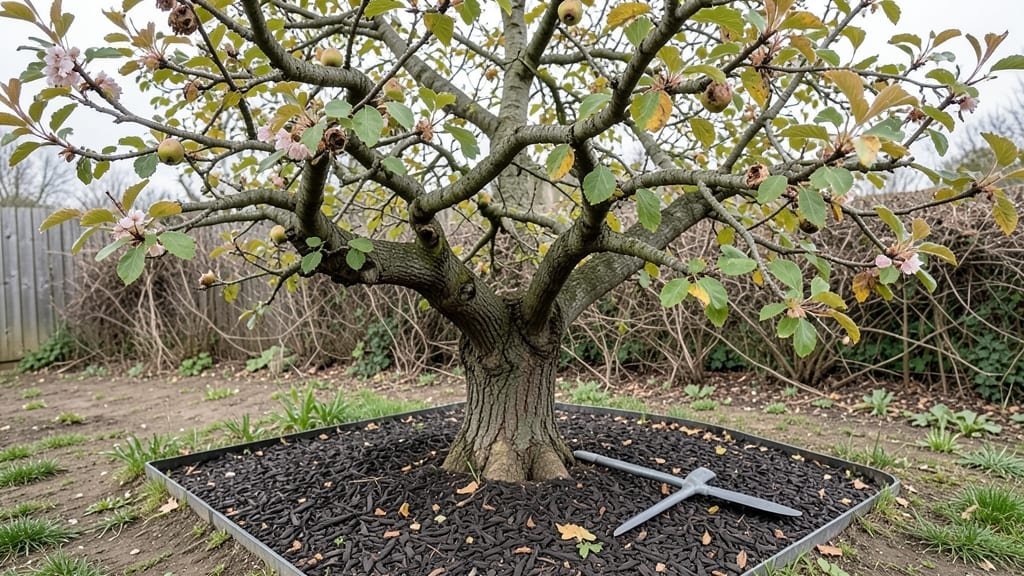
Grass around trees fights a losing battle against weeds and compaction—until you change the game. ✨ I’ve spent years watching lawns around mature trees turn into battlegrounds of bare soil and stubborn weeds, but there’s a simple shift that transforms that space into a weed-blocking, tree-friendly zone.
The key isn’t fighting the grass—it’s working with the tree’s natural needs to create a barrier that actually works.
The problem isn’t just the shade or competition for water—it’s the soil itself. Tree roots compact the earth, smothering grass roots while leaving gaps for weeds to take over. The solution? A 3-step approach that aerates the soil, feeds the grass, and smothers weeds before they start.
You’ll need basic tools, a little patience, and the right grass variety for shaded spots. Most people quit here, but sticking with it turns that struggling ring into a thick, green buffer zone.
By the end, you’ll have a lawn that looks intentional, not patchy, with grass that stays green even in deep shade. No more pulling weeds or patchy brown circles—just a clean, natural barrier that protects your tree roots while keeping the grass lush.
The best part? This method works for any tree size, from young saplings to century-old oaks, and cuts your spring cleanup time by half.
Here’s the twist: the secret weapon isn’t expensive—it’s mulch and the right mowing height. Most lawn care advice misses how critical these two factors are for grass around trees. Let’s fix that ring once and for all, so your trees and grass finally get along.
📚 In This Guide
- What you need
- Instructions
- Tips and common mistakes
- Wrapping up and next steps
What you need
- ● Grass seed: 1–2 lbs (depending on tree size and root zone area). Choose a fast-growing, drought-resistant variety (e.g., Kentucky Bluegrass, Fescue, or Clover for shade tolerance).
- ● Topsoil or compost: 2–3 inches (5–7.5 cm) of high-quality, weed-free soil or compost to improve drainage and nutrient retention.
- ● Mulch (organic): 2–3 inches (5–7.5 cm) of wood chips, shredded bark, or pine straw to suppress weeds and retain moisture.
- ● Landscape fabric: A 3–4 ft (0.9–1.2 m) wide roll to block weed growth while allowing grass roots to penetrate.
- ● Garden hose or sprinkler: For consistent watering (aim for 1 inch/2.5 cm per week).
- ● Hand trowel or spade: For digging and creating a clean edge around the tree.
- ● Rake: A stiff-bristle garden rake to level soil and remove debris.
- ● Measuring tape: To mark the 3–4 ft (0.9–1.2 m) radius around the tree (standard for weed suppression).
- ● Pre-emergent herbicide: Apply after seeding to prevent weed seeds from germinating (follow label instructions).
- ● Slow-release fertilizer: 1–2 tbsp per sq. ft. to boost grass growth.
- ● Tree guard or edging: Plastic or metal barriers to define the grass border neatly.
- ● Soil tester kit: To check pH and nutrient levels before planting.
- ● Knee pads or gloves: For comfort during installation!
Step-by-step instructions for creating a weed-blocking grass barrier around trees
Here's how to establish a living mulch that crowds out weeds while protecting your tree roots.
🌱 Step 1: Prepare the Soil and Mark the Barrier Area
Start by clearing a 12-inch wide band around your tree trunk, extending outward to your desired barrier width (typically 2-3 feet). Use a garden edging tool or string line to mark the outer edge—this creates a clean transition zone where grass will thrive while keeping weeds contained.
Remove any existing weeds or grass within this band using a hand weeder or hoe. I like to work when the soil is slightly moist—it pulls weeds out cleaner without tearing roots. Avoid disturbing the tree's root flare (the swollen area at the base where roots meet trunk) as this can damage the tree.
💧 Step 2: Overseed with a Dense Grass Mix
Use a fine fescue or creeping red fescue seed mix (about 1/4 pound per 100 square feet) for its shade tolerance and aggressive spreading habit. Spread the seeds evenly by hand or with a broadcast spreader, targeting the prepared band. Lightly rake the area with a stiff-bristled rake to ensure good seed-to-soil contact—this prevents seeds from washing away during watering.
Cover the seeded area with a thin layer of straw mulch (about 1/4 inch deep) to protect seeds from birds and retain moisture. Water gently but thoroughly right after seeding—keep the soil consistently moist (but not soggy) for 10-14 days until germination occurs. You'll see tiny green blades appear in about 7-10 days if conditions are right.
☀️ Step 3: Maintain the Grass Barrier for Permanent Weed Control
Once established, mow the grass barrier regularly to a height of 2-3 inches—this encourages dense growth that outcompetes weeds. I set my mower to the highest setting when mowing near tree trunks to avoid damaging the bark. Water deeply once per week during dry spells to keep the grass vigorous, especially in the first growing season.
Replenish the straw mulch annually in early spring to maintain moisture and suppress weeds. The key is consistency—this living mulch needs regular care to stay dense enough to block weeds permanently. You'll know it's working when you see no weeds growing within the grass band and the grass spreads naturally outward.
Tips & tricks for perfect grass barriers around trees
These practical tips will help you create a weed-blocking grass barrier that lasts—without the hassle of constant weeding.
Timing is Everything: The 10-14 days of consistent moisture after seeding is non-negotiable for germination. I've learned this the hard way—skipping daily watering means seeds dry out before sprouting. Use a gentle mist setting on your hose or a soaker hose to keep the soil evenly moist without disturbing the seeds.
Seed Selection Matters: Fine fescue and creeping red fescue aren't just any grasses—they're the secret weapons for shade tolerance and aggressive spread. If you're working under mature trees where sunlight is limited, these varieties will outperform regular lawn grass. Look for seed mixes specifically labeled for "shade" or "low-maintenance" applications.
Mulch Application Technique: That ¼-inch layer of straw mulch might seem thin, but it's perfect for protecting seeds while allowing sunlight to reach them. Too thick, and you'll smother the seeds; too thin, and you won't retain enough moisture. I like to spread it in a single pass with my hands, just enough to see the soil peeking through in places.
Maintenance Secret: The 2-3 inch mowing height isn't just arbitrary—it's the sweet spot for weed suppression. Taller grass shades out weed seeds before they germinate, while shorter grass lets weeds sneak in. I set my mower to the highest setting and go around the tree in wide arcs to avoid scalping the grass near the trunk.
Pro Tips for Grass Around Trees
- These practical tips will help you create a weed-blocking grass barrier that lasts—without the hassle of constant weeding.
- Timing is Everything: The 10-14 days of consistent moisture after seeding is non-negotiable for germination.
- Seed Selection Matters: Fine fescue and creeping red fescue aren't just any grasses—they're the secret weapons for shade tolerance and aggressive spread.
Frequently asked questions
Got questions about maintaining grass around trees as a natural weed barrier?
You’re not alone! Here are some of the most common concerns—and straightforward answers to keep your yard looking sharp.
Why does grass struggle to grow near trees?
Trees compete for water, nutrients, and sunlight, creating a "root shadow" that makes grass growth difficult. Their shallow roots also block soil aeration, leaving grass thin or bare. A well-planned grass barrier (like Fescue or Clover) can outcompete weeds by filling this gap efficiently.
How long until grass fully blocks weeds around a tree?
Patience is key! With consistent care (watering, mowing, and occasional overseeding), you’ll see noticeable weed reduction in 3–6 months. Full suppression may take 1–2 years, depending on tree size, soil health, and local climate. Pro tip: Use pre-emergent herbicide once (early spring) to give grass a fighting chance.
What’s the best grass type for tree barriers?
Choose drought-tolerant, shade-friendly grasses like:
- Fine Fescue – Low-maintenance, thrives in partial shade.
- Creeping Red Fescue – Spreads well, resists foot traffic.
- White Clover – Nitrogen-fixing, crowds out weeds naturally.
What if grass still won’t grow? Troubleshooting tips
If your grass is failing, try these fixes:
- Test soil pH – Trees often create acidic zones (ideal pH: 6.0–7.0). Amend with lime if needed.
- Aerate compacted soil – Use a manual aerator to break up tree roots blocking grass roots.
- Deep water 2x/week – Grass near trees needs 1–1.5 inches of water per week (morning is best!).
- Trim tree roots gently – If roots are too aggressive, hire a pro to prune them 1–2 feet from the trunk.
Can I use chemicals to "help" the grass?
Use caution! Pre-emergent herbicides (like prodiamine) can help initially, but avoid post-emergent sprays—they’ll kill your grass too. If weeds persist, spot-treat with vinegar-based herbicides (for broadleaf weeds) or pull them by hand. Pro tip: Mulch (3–4 inches of shredded bark) smothers weeds while improving soil over time.
Wrapping up and next steps
Cultivating grass around trees isn’t just about aesthetics—it’s a game-changer for weed control and tree health! 🌱 By leveraging this natural barrier, you’ll save time, reduce herbicide use, and create a thriving landscape that’s easier to maintain.
The key? Consistency and patience—once established, your grass will outcompete weeds for years.
Ready to transform your yard? Start small—pick one tree, gather your supplies, and roll up your sleeves. Your future self (and your lawn) will thank you! 🌳✨