
Lawn
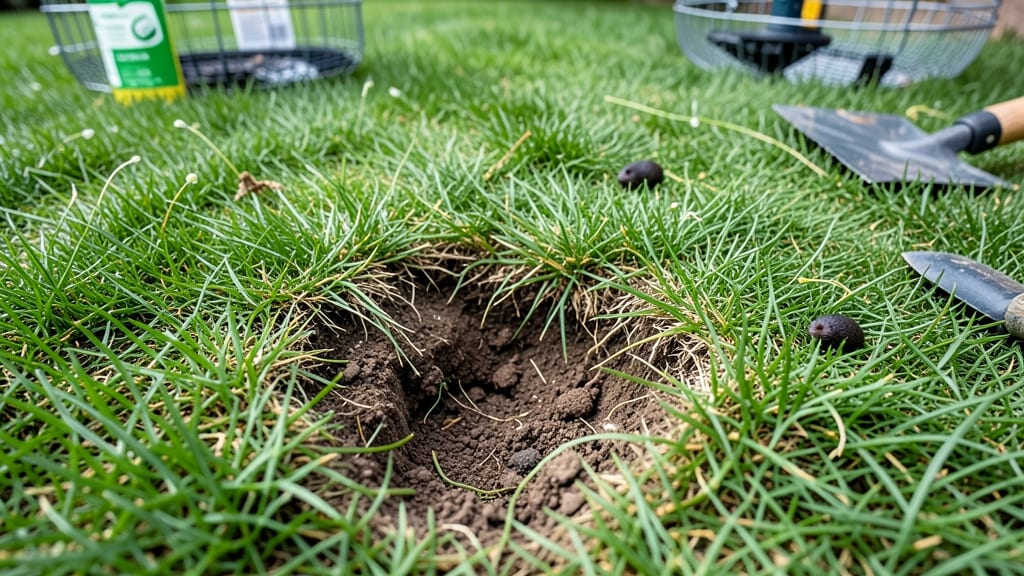
Rat holes in your lawn aren’t just eyesores—they’re a sign your yard has become a rodent buffet. 🌱 I’ve spent years dealing with these tunneling pests, and I’ll show you how to turn your lawn into a natural barrier they’ll avoid.
The problem starts when rats dig for shelter, food, or nesting spots. Once they’re in, they’ll gnaw through roots, chew wires, and leave behind messy tunnels that ruin your grass. The good news? A few strategic changes can make your yard unappealing to them.
By combining habitat tweaks, natural repellents, and humane removal, you’ll see fewer holes within weeks. The key is consistency—rats are smart, and they’ll return if you don’t make your lawn unwelcoming long-term. Repairing the damage is easier than you think.
Patch the holes, reseed bare spots, and add a few deterrents like castor oil or predator urine. Your lawn will bounce back faster than you’d expect—and stay rat-free for good.
The Hidden Triggers Behind Lawn Holes
If your lawn is suddenly dotted with mysterious holes, you’re not just dealing with a cosmetic issue—these are signs of active rodent activity, and understanding the root causes is key to stopping them.
Below, we break down the science-backed reasons why rats and other burrowing pests create holes in your grass, from their survival instincts to environmental factors you might overlook.
Rats, moles, and voles aren’t just digging for fun—they’re following hardwired behaviors tied to survival. Here’s what drives them:
- Shelter and Nesting: Rats and mice dig holes to create underground nests that protect them from predators, extreme weather, and human interference. A single female rat can build a burrow system with multiple chambers for nesting, food storage, and escape routes. Your lawn’s soft soil makes it an ideal real estate choice.
- Food Scarcity: Rodents are omnivorous scavengers, and if your yard lacks natural food sources (like seeds, insects, or fallen fruit), they’ll tunnel to access roots, bulbs, or even buried trash. Overwatered lawns or dense grass can trap insects, inadvertently attracting them.
- Territorial Marking: Moles and voles dig shallow tunnels to mark territory and communicate with others. These tunnels often collapse, leaving behind the telltale ragged holes you see after rain or mowing.
Pro Tip: 💡 If you notice holes near patios, sheds, or gardens, rats may be caching food underground—like stolen pet food or fallen nuts. Secure trash cans and remove easy snacks!
Not all lawns are equally appealing to rodents. Certain conditions make your grass a magnet for burrowing pests:
| Lawn Feature | Why It Attracts Rodents |
|---|---|
| Overwatered or Soggy Soil | Soft, damp earth is easy to dig, and standing water can trap insects—rodents’ favorite snacks. Moles, in particular, thrive in moist conditions. |
| Thin or Patchy Grass | Bare spots expose roots and soil, making it simple for rats to tunnel. Thick grass acts as a natural barrier—they’d rather dig through mulch or garden beds first. |
| Leaf Litter or Debris Piles | Decaying leaves and wood create hidden nesting sites. Rats will drag debris into holes to insulate their burrows. Rake up piles regularly to remove hiding spots. |
| Proximity to Food Sources | Birdseed, pet food, or compost heaps draw rodents like a buffet. Once they find a food source, they’ll expand their tunnels to secure it. |
Actionable Fix: ✨ Test your soil’s moisture—if it’s consistently damp, improve drainage or adjust irrigation. Rodents avoid dry, compacted soil, so aerating your lawn can make it less inviting.
Sometimes, the holes in your lawn are a direct result of human activity. Here’s how everyday actions might be inviting rodents:
-
Improper Waste Disposal:
Unsecured trash cans, compost bins, or even recycling mistakes (like leaving pizza boxes outside) create a rodent buffet. A single rat can contaminate 10+ pounds of food in a week!
-
Landscaping Choices:
Rock gardens, mulch beds, or dense shrubs provide perfect cover for rats to build hidden tunnels. Keep mulch 6+ inches from your home’s foundation to discourage nesting.
-
Pet Food Left Outdoors:
Even small amounts of wet or dry pet food left in bowls can attract rats. Feed pets indoors or use automatic feeders with tight lids.
-
DIY Storage Mistakes:
Storing firewood, tools, or outdoor gear directly on the ground gives rats shelter. Use pallets or raised platforms to break their tunneling paths.
Quick Win: 🎯 Conduct a “rodent audit” of your yard—walk the perimeter at dusk (when they’re most active) and note potential entry points. Seal gaps in fences, vents, or foundation cracks with steel wool or hardware cloth.
Now that you know why these holes appear, the next step is turning your lawn into a rodent-proof fortress. The good news? Natural barriers—like the ones we’ll cover next—can make your grass unappealing without harsh chemicals.
Fixing Lawn Damage From Burrowing Pests
Now that you know why rats and other burrowing critters are turning your lawn into a maze of holes, it’s time to take action! The good news? You don’t need harsh chemicals or expensive traps to solve the problem.
With a mix of natural deterrents, physical barriers, and smart lawn care, you can reclaim your yard—and keep those pesky pests out for good.
Below, we’ve broken down the most effective solutions by cause, so you can target the root of the issue without wasting time or money.
If your lawn is riddled with small, shallow holes (often near fences, sheds, or dense vegetation), rats or mice are likely the culprits. These rodents dig for shelter, food, or nesting spots, and once they’ve claimed your yard, they’ll keep coming back unless you cut off their access.
🔥 Seal Off Their Hideouts
- 👨🍳 Fill and fortify holes immediately with a mix of damp soil and gravel (rats dislike the texture).
Tamp it down firmly so they can’t dig back in. - 🥘 Install hardware cloth barriers (¼-inch mesh) around vulnerable areas like: - The base of fences or decks - Under sheds or storage bins - Along garden edges where roots are exposed
🍳 Natural Repellents They Hate
Rats and mice have a strong sense of smell—and some scents drive them away for good.
- 🌿 Peppermint oil or castor oil (soak cotton balls and place them in holes or near entry points).
- 🧅 Crushed red pepper flakes sprinkled around holes (reapply after rain).
- 🍋 Citrus or vinegar sprays (mix equal parts water and white vinegar, spray around the yard).
⏰ Set Humane Traps for Fast Results
If you’ve got a severe infestation, live traps (like Havahart models) are the most effective way to remove rats quickly. Bait them with:
- Peanut butter
- Apples or bananas
- Dried pet food
💡 Pro Tip: Place traps along walls or fences where rats travel, not in the open. Check them twice daily to avoid stressing the animal.
Voles create surface-level runways and shallow holes, while moles dig deep, winding tunnels beneath the grass. Both love moist, soft soil—so your solution should focus on drying out their favorite spots and making their tunnels uncomfortable.
🔪 Break Up Their Tunnels
- 🔨 Use a garden fork or mole spike to pierce mole tunnels (this collapses them and deters future digging).
- 🌡️ Improve drainage in soggy areas where voles thrive—redirect water with French drains or extend downspouts away from the lawn.
🎯 Castor Oil: A Mole & Vole Deterrent
Moles and voles cannot metabolize castor oil, so they avoid areas where it’s applied.
- Mix 2 tbsp castor oil + 1 gallon water + a drop of dish soap (as a surfactant).
- Spray directly into tunnels or around vole runways.
Reapply every 2–3 weeks or after rain.
✨ Plant Mole-Repelling Ground Covers
Some plants naturally deter moles and voles:
- 🌿 Alliums (garlic, chives, onions) – Their strong scent confuses burrowers.
- 🌼 Daffodils & Crown Imperials – Toxic to rodents when ingested.
- 🍃 Wormwood or Tansy – Unappealing to moles and voles.
If your lawn has scattered small holes (like Swiss cheese) and you’ve spotted beetles or grubs, the issue is likely grubs or insect larvae attracting larger pests (like raccoons or skunks). The fix? Reduce their buffet.
💡 Treat the Soil, Not Just the Holes
- 🪴 Apply milky spore powder (a natural bacteria that targets Japanese beetle grubs).
- 🌱 Overseed thin or bare patches—thick grass chokes out grubs before they hatch.
- 🍎 Use beneficial nematodes (microscopic worms that kill grubs naturally).
🍳 Prevent Future Infestations
- 🌡️ Mow high (3–4 inches)—taller grass shades soil, keeping it cooler and less inviting to grubs.
- 🌿 Aerate compacted soil in spring/fall to improve drainage and reduce grub activity.
- 🚫 Avoid over-fertilizing—excess nitrogen attracts grubs.
Once you’ve filled the holes and deterred the pests, lock in your progress with these low-maintenance strategies:
| Problem | Prevention Hack | How Often |
|---|---|---|
| Rats returning | Trim overgrown bushes near the house | Seasonally |
| Voles in gardens | Remove leaf litter and mulch piles | Monthly |
| Moles in wet areas | Install underground drainage pipes | One-time fix |
| Grubs in lawn | Plant marigolds or nematode-treated grass | Spring/fall |
🔥 Bonus: Keep your lawn healthy—strong grass is the best natural deterrent! Water deeply but infrequently, and fertilize with compost or slow-release organic options to avoid attracting pests.
- ❌ Don’t use poison baits—they can harm pets, wildlife, and even children who might dig in treated areas.
- ❌ Avoid flooding holes with water—rats and voles will just dig elsewhere.
- ❌ Skip the follow-up—check traps and barriers weekly until you’re sure the pests are gone.
With these targeted, natural solutions, you’ll not only fill those pesky holes but also make your lawn less inviting to burrowing pests for years to come. 🌱✨ Your yard—and your sanity—will thank you!
Frequently asked questions
How can I tell if my lawn holes are from rats vs. moles vs. voles?
Rats create irregular, deeper holes (2-4 inches) with visible tunnels and often near structures. Moles make volcano-shaped mounds from pushed-up soil, while voles leave shallow, surface-level runways and tiny holes (1-2 inches) near garden edges. Check for droppings—rat pellets are 1-inch long, while mole droppings resemble tiny grains.
Will filling holes with water work to stop rats from digging?
No, water alone won’t work—rats will just dig elsewhere. Instead, fill holes with a mix of damp soil and gravel (they dislike the texture) or use hardware cloth barriers (¼-inch mesh). For moles, pierce tunnels with a garden fork to collapse them permanently.
Are natural repellents like peppermint oil really effective?
Yes! Peppermint oil and castor oil are proven to deter rats and voles. Soak cotton balls in the oil and place them in holes or near entry points. Reapply every 2-3 weeks or after rain. For moles, mix 2 tbsp castor oil + 1 gallon water and spray directly into tunnels—they can’t metabolize it.
How long until I see results after using deterrents?
With consistent effort, you’ll notice fewer holes in 2-4 weeks. Natural repellents work fastest when combined with habitat changes (removing food sources, sealing entry points). Check traps and barriers weekly—rats are smart and may return if deterrents aren’t maintained.
Can I use poison baits safely around pets or kids?
Never use poison baits near children, pets, or wildlife—they pose serious risks. Opt for humane live traps (like Havahart models) or natural deterrents. If you must use chemical solutions, apply them only in areas inaccessible to pets/kids and follow label instructions precisely.