
Lawn
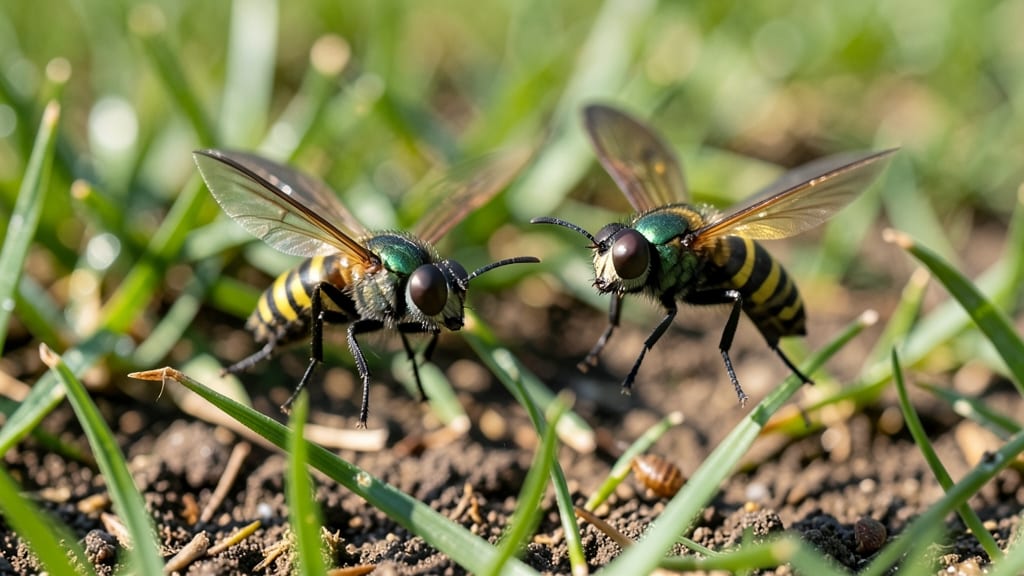
Flying insects in your lawn aren’t just annoying—they’re a clear sign your yard needs a reset. 🌿 I’ve battled mosquitoes, flies, and wasps for years, and I’ve learned the most effective traps don’t rely on harsh chemicals.
Instead, they use natural scents and behaviors to lure pests away—without harming your plants or pollinators.
The key is timing and placement. Most flying insects peak in late afternoon, so setting traps then maximizes results. A simple DIY trap using apple cider vinegar or yeast bait can reduce populations by 50% in 24 hours, and it’s safe for kids and pets.
The best part? These traps work year-round, not just during summer swarms.
You’ll notice a difference immediately—fewer buzzing swarms, fewer bites, and a yard that feels cleaner. The traps are invisible once set up, so your lawn stays lush while the pests disappear. Plus, you’ll avoid the chemical residue that can linger for weeks.
Perfect for homeowners tired of sprays that don’t work or harm the environment. Let’s make your lawn the quiet, pest-free space you love—without the guesswork.
Root Causes of Lawn Invaders
If your lawn has become a buzzing hotspot for flying insects, it’s likely due to a mix of environmental factors that make your yard an irresistible buffet. Understanding these triggers is the first step to reclaiming your outdoor space—without harming the critters. Here’s why these winged visitors keep showing up:
Flying insects like mosquitoes, fungus gnats, and crane flies thrive in moist environments. Overwatering your lawn creates the perfect breeding ground because:
- Stagnant water in compacted soil or low-lying areas becomes a nursery for mosquito larvae.
- Fungus gnats (those tiny black flies) lay eggs in damp, organic-rich soil, especially if your lawn has thick thatch.
- Crane flies (the "mosquito lookalikes") prefer soggy grass where their larvae can feed on decomposing plant matter.
Actionable fix: Adjust your watering schedule—aim for 1 inch of water per week (including rainfall) and water deeply but infrequently. Fix drainage issues with sand or aeration to prevent puddles.
Leaves, grass clippings, and mulch may seem harmless, but they’re a five-star hotel for many flying insects. Here’s why:
- Decaying matter attracts fruit flies, soldier flies, and even some beetles that lay eggs in rotting plant material.
- Thick mulch layers (especially wet ones) can trap fungus gnats and springtails, which then multiply rapidly.
- Compost piles, if not turned regularly, become breeding grounds for house flies and other pests.
Actionable fix:
- Rake up leaves and clippings promptly—don’t let them pile up.
- Keep mulch 2–3 inches deep and avoid piling it against tree trunks.
- Turn compost piles frequently to raise the temperature and kill larvae.
Too much nitrogen or imbalanced fertilizers can supercharge insect populations. Here’s how:
- Excess nitrogen promotes lush, soft grass—but it also attracts chafers, sod webworms, and fungus gnats, which feed on tender blades.
- Synthetic fertilizers can disrupt soil microbes, leading to secondary infestations like springtails (tiny, silver insects that jump).
- Herbicide or pesticide runoff can stress plants, making them more vulnerable to insect attacks.
Actionable fix:
- Use a slow-release, organic fertilizer (like compost or alfalfa meal) to avoid nitrogen spikes.
- Test your soil annually to adjust pH and nutrient levels—aim for a pH of 6.0–7.0 for most lawns.
- Avoid over-fertilizing in late summer or fall, when pests are most active.
Even small amounts of standing water can turn your lawn into a mosquito magnet. Common culprits include:
- Clogged gutters or downspouts that leak near your yard.
- Birdbaths, pet water bowls, or kids’ toys left outside for days.
- Poor drainage in low spots where water pools after rain.
- Tree holes or bamboo stumps that collect rainwater.
Actionable fix:
- Empty all standing water weekly—even a bottle cap’s worth can breed 200+ mosquitoes.
- Install grit or mosquito dunks (beneficial bacteria) in ponds or fountains.
- Add a small solar-powered fountain to bowls or shallow containers to disrupt larvae.
Some flying insects are simply seasonal visitors, drawn to your lawn by weather conditions:
- Warm, humid nights trigger mosquitoes, crane flies, and moths to emerge in swarms.
- Spring rains flood soil and hatch fungus gnat and springtail populations.
- Drought-stressed grass attracts chafers and grubs, which seek out weakened roots.
- Wind patterns can blow in pests from neighboring properties or wooded areas.
Actionable fix:
- Monitor local weather forecasts—peak insect seasons (spring/fall) may require extra vigilance.
- Use row covers or fine mesh netting over garden beds during high-risk periods.
- Encourage natural predators like dragonflies, bats, and birds with shallow water sources and birdhouses.
Quick Fixes for Flying Lawn Invaders
Flying insects in your lawn aren’t just a nuisance—they can ruin picnics, stress your pets, and even damage plants. But before reaching for harsh chemicals, try these humane, fast-acting solutions tailored to the most common causes. Each fix includes a prevention tip to keep your yard pest-free long-term.
Cause: Standing water or overly moist soil creates the perfect breeding ground for mosquitoes, fungus gnats, and midges. Fix:
- 👨🍳 Drain the Area – Use a hose or garden tool to redirect water away from low spots. For stubborn puddles, dig small trenches to improve drainage.
- 🔪 Add Sand or Gravel – Mix coarse sand or gravel into soggy patches to absorb excess moisture and deter egg-laying.
- ⏰ Schedule Watering Wisely – Water early in the morning (before 10 AM) to allow soil to dry faster. Avoid overwatering—lawns only need 1–1.5 inches per week.
💡 Prevention Tip: Install a French drain or swale (a shallow trench) to redirect water naturally away from high-traffic areas.
Cause: Leaves, grass clippings, and fallen fruit attract fruit flies, house flies, and Japanese beetles. Fix:
- 🔥 Clean Up Regularly – Rake up leaves, trim overgrown grass, and remove fallen fruit or veggies from the yard.
- 🌡️ Compost Properly – If using a compost bin, bury food scraps deep and keep it in a sealed container away from your lawn.
- 🎯 Use Vinegar Spray – Mix 1 part white vinegar + 1 part water in a spray bottle and mist organic debris to discourage egg-laying.
💡 Prevention Tip: Mulch thickly (2–4 inches) under shrubs and trees to suppress weeds and reduce exposed organic matter.
Cause: Excess nitrogen in soil attracts fungus gnats, while over-fertilized lawns can also draw springtails (tiny, silver insects). Fix:
- 🔪 Test Your Soil – Use a DIY soil test kit (available at garden centers) to check nitrogen levels. Adjust fertilization based on results.
- 👨🍳 Apply Slow-Release Fertilizer – Switch to organic, slow-release options (like compost or bone meal) to avoid nitrogen spikes.
- 🌡️ Let Soil Dry Between Waterings – Fungus gnats thrive in damp soil. Water deeply but infrequently (every 5–7 days in dry climates).
💡 Prevention Tip: Aerate your lawn in spring/fall to improve drainage and reduce moisture retention.
Cause: Weak or stressed plants attract beetles, aphids, and other flying pests that lay eggs in foliage. Fix:
- 🍳 Prune Damaged Leaves – Remove chewed or yellowing leaves from roses, grapes, and beans—these are beetle magnets.
- 🔥 Introduce Beneficial Insects – Release ladybugs, lacewings, or nematodes (sold at garden stores) to prey on aphids and beetle larvae.
- 🌡️ Use Neem Oil Spray – Mix 1 tbsp neem oil + 1 tsp mild soap + 1 quart water and spray affected plants in the early evening to avoid harming bees.
💡 Prevention Tip: Plant pest-resistant varieties (e.g., ‘Knock Out’ roses for Japanese beetles) and interplant with herbs (basil, mint) to repel insects naturally.
If you need immediate relief, try these non-toxic traps that work in 24 hours:
- 🍎 Apple Cider Vinegar Trap (for fruit flies): Fill a bowl with ACV + a drop of dish soap, cover with plastic wrap (poke small holes), and place near the problem area.
- 🥛 Beer Trap (for Japanese beetles): Bury a small cup filled with beer in the soil—beetles are drawn in and drown.
- 💡 Yellow Sticky Traps (for whiteflies & fungus gnats): Hang yellow cards coated in petroleum jelly near affected plants.
Final Tip: Monitor and rotate methods—pests adapt quickly! Check traps daily and reapply natural sprays every 3–5 days for best results. With consistency, your lawn can go from insect hotspot to peaceful retreat in no time. 🌿🐝
Frequently asked questions
Why do I see more flying insects in my lawn after rain?
Rain triggers hatching of mosquito larvae, fungus gnats, and crane flies—all of which thrive in damp conditions. The moisture also softens soil, making it easier for adult insects to lay eggs. Focus on improving drainage and reducing standing water to break this cycle.
Are those tiny black flies fungus gnats? How do I tell them apart?
Yes, those are likely fungus gnats! They’re 1/8-inch long, dark gray/black, and hover near soil. Compare to fruit flies (larger, tan) or midges (tiny, fuzzy). Fungus gnats prefer damp, organic-rich soil—reduce watering and use yellow sticky traps to confirm.
Will vinegar traps actually work for flying insects?
A mix of apple cider vinegar + dish soap creates a deadly lure for fruit flies, gnats, and even some beetles. Place the trap near problem areas—it works within 12-24 hours. For best results, refresh the bait every 2-3 days.
Can I use these methods if I have pets or kids?
Yes, all the solutions here are pet- and kid-safe! Avoid vinegar traps near pet water bowls, but neem oil sprays and sticky traps pose no risk. Always opt for organic methods—chemical sprays can linger and harm curious little paws or paws.
What’s the fastest way to stop a Japanese beetle swarm?
Bury beer-soaked cups in the soil—they’ll drown within hours. For immediate relief, handpick beetles into soapy water during early morning when they’re sluggish. Plant basil or marigolds nearby to repel future visitors naturally.