
Fertilization
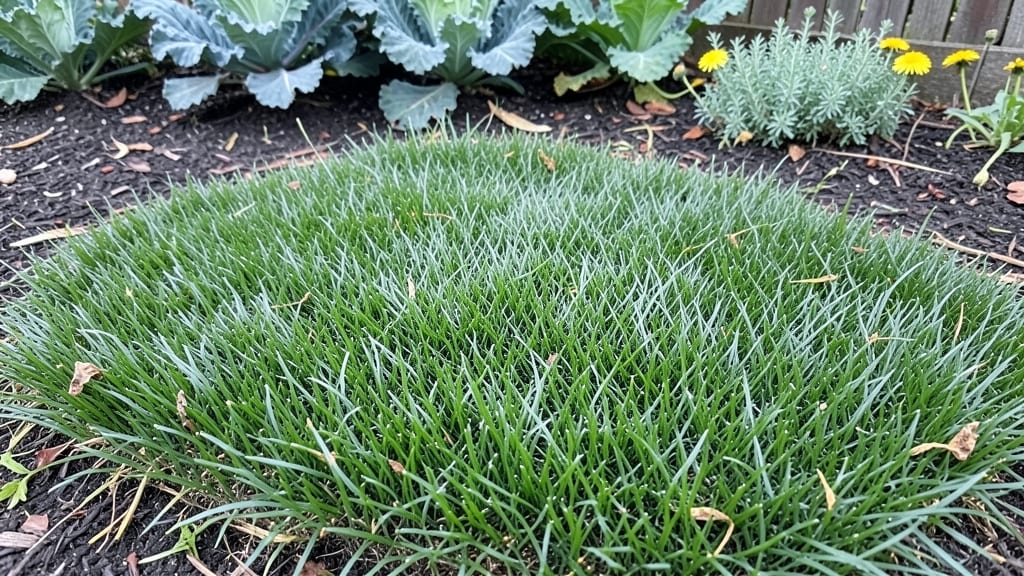
Grass clippings are a powerhouse for garden health because they’re packed with 20-30% protein, which breaks down into nitrogen—a key nutrient for plant growth. 🌱 Unlike synthetic fertilizers, they also improve soil structure by adding organic matter that holds moisture and supports beneficial microbes.
I’ve seen gardens thrive just from letting clippings decompose naturally, especially when layered thinly around perennials or vegetables. The key is consistency: regular, light applications keep weeds at bay while feeding the soil over time.
For best results, avoid piling clippings too thickly—especially on flower beds or delicate plants—since they can block sunlight and trap moisture, leading to rot. If you’re using them as mulch, spread them ¼ inch thick or less and water lightly to help them settle.
And here’s a pro tip: mix clippings with leaves or straw in a compost pile for faster decomposition and richer compost. Just skip this if your lawn has been treated with herbicides, as those chemicals can harm plants.
💡 In This Article
- How Grass Clippings Boost Soil Fertility
- Best Ways to Use Grass Clippings in Landscaping
How grass clippings boost soil fertility
Grass clippings act like a natural fertilizer because they're packed with 20-30% protein by dry weight, which decomposes into nitrogen—a nutrient plants crave for leafy growth.
When clippings break down, they release this nitrogen gradually, creating a slow-release effect similar to organic fertilizers. 🌱 The decomposition process also produces humus, a dark, spongy material that improves soil structure by increasing aeration and water retention.
This is why gardens using clippings often show healthier root systems and better drought resistance compared to synthetic fertilizer-only soils.
The science gets even more interesting: grass clippings contain 1-2% phosphorus and 0.5-1% potassium, though nitrogen dominates. This nutrient profile is similar to a balanced 3-1-2 fertilizer ratio, but with the added benefit of organic matter that synthetic fertilizers lack.
The organic matter from clippings also feeds soil microbes, creating a thriving ecosystem that breaks down nutrients into forms plants can absorb more efficiently. This microbial activity is why clipping-fed soils often have better nutrient cycling than chemically fertilized ones.
Here's what happens when clippings decompose: first, they form a thin organic layer that blocks weeds by preventing sunlight from reaching weed seeds.
Then, as they break down, they create pore spaces that improve drainage while holding moisture—like a natural sponge. 💧 This dual action explains why lawns and gardens using clippings often require less watering.
The process also reduces landfill waste dramatically; according to the EPA, grass clippings make up 17% of municipal solid waste, and recycling them cuts this waste by up to 90% for homeowners who maintain their own lawns.
For comparison, synthetic nitrogen fertilizers provide an immediate but short-lived nutrient boost that can leach away quickly, while clippings release nutrients over 2-4 weeks as they decompose. This gradual release prevents nutrient burn—a common problem with chemical fertilizers—and supports steady plant growth.
The organic matter also helps sandy soils retain moisture longer and improves clay soils' drainage. What most people don't realize is that properly managed clippings can reduce the need for synthetic fertilizers by 25-50%, saving money while building healthier soil over time.
The decomposition process works best when clippings are spread thinly (¼ inch or less) and kept moist but not waterlogged. In ideal conditions, they'll break down completely within 2-3 weeks, leaving behind a nutrient-rich layer.
For maximum benefits, mix them into the top 2-3 inches of soil rather than leaving them on the surface, especially for vegetable gardens. This practice mimics natural ecosystems where plant material decomposes in place, creating fertile topsoil over generations. 🌿
One often-overlooked benefit is the clippings' role in carbon sequestration. As they decompose, they lock carbon into the soil, helping combat climate change while improving garden productivity.
Studies show that organic matter from grass clippings can increase soil carbon by 0.5-1% per year when properly managed—a small but meaningful contribution to sustainable gardening practices. The combination of nutrient recycling, waste reduction, and carbon storage makes grass clippings one of the most underrated garden resources available.