
Plants
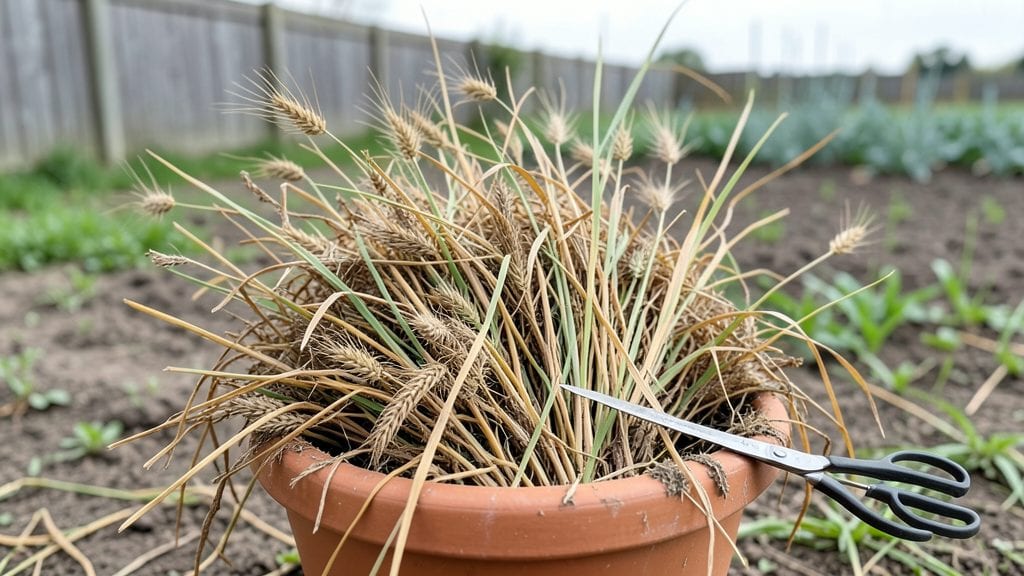
Growing your own dried wheat grass 🌱 is like unlocking a tiny green pharmacy—packed with vitamins, enzymes, and antioxidants that most people just buy in jars.
Here’s the catch: harvest it too early or too late, and you’ll end up with bitter, nutrient-poor grass that’s more trouble than it’s worth. Get the timing wrong, and even the best drying methods won’t save it.
But with the right approach—harvesting at 7-10 days, using the perfect drying technique, and storing it properly—you’ll have a shelf-stable superfood ready for smoothies, teas, or supplements.
Below, I’ll walk you through every step, from sprouting to storage, so you can turn your wheatgrass into a year-round wellness staple without the guesswork.
How to properly harvest and dry wheat grass for maximum nutritional value
Wheat grass reaches its peak nutritional value between 7 to 14 days of growth, making this the ideal window for harvesting. Timing is critical—cutting too early reduces potency, while waiting too long can cause the grass to become bitter or lose its vibrant chlorophyll content.
I’ve found that harvesting in the morning hours (after dew has dried) preserves the most nutrients and ensures crisp, fresh blades ready for drying.
Before harvesting, inspect your wheat grass blades for signs of readiness: they should be 6 to 8 inches tall, bright green, and firm to the touch. Avoid harvesting if the blades are yellowing, wilted, or overly soft, as these are signs of stress or spoilage.
Using clean, sharp scissors or pruning shears minimizes damage to the plant and ensures a clean cut for optimal drying.
To maximize nutrient retention, never wash your wheat grass before drying—this strips away essential enzymes and chlorophyll-rich sap. Instead, gently brush off excess soil with your fingers or a soft brush.
If your grass is particularly dusty, use a dry microfiber cloth to wipe down the blades lightly. This step is crucial for preserving the alkaline properties that make wheat grass so beneficial.
Step-by-Step Guide to Harvesting and Drying Wheat Grass
- Step 1: Choose the Right Time
Harvest your wheat grass when it reaches 6-8 inches tall and displays bright green, firm blades. This typically occurs 7-14 days after germination.
- Step 2: Use Clean Tools
Use sharp scissors or pruning shears to cut the grass 1 inch above the soil line. This encourages regrowth for future harvests.
- Step 3: Avoid Washing
Skip rinsing to preserve chlorophyll and enzymes. Instead, brush off debris with a dry cloth or gently shake the grass.
- Step 4: Bundle for Drying
Tie 5-10 stalks together with a rubber band or twine, leaving 1-2 inches of stem exposed to hang upside down.
- Step 5: Air-Dry or Dehydrate
Air-drying: Hang bundles in a dark, dry, well-ventilated space for 3-5 days. Dehydrator: Spread grass on trays at 95°F (35°C) for 2-4 hours.
- Step 6: Test for Dryness
Grass is ready when it snaps easily and feels crisp to the touch. Store in airtight containers away from light and moisture.
- Step 7: Store Properly
Keep dried wheat grass in glass jars or airtight bags in a cool, dark place for up to 6 months.
Once you’ve harvested your wheat grass, the next critical step is drying. I recommend two methods: air-drying or using a food dehydrator. For air-drying, bundle the grass into small groups and hang them upside down in a dark, well-ventilated area like a closet or pantry.
This method takes 3 to 5 days and allows the grass to dry slowly, preserving its nutrients. If you’re short on time, a dehydrator set to 95°F (35°C) speeds up the process to just 2 to 4 hours.
Pay close attention to the drying process—over-drying can turn the grass brittle and lose its nutritional value, while under-drying risks mold or spoilage. Test for dryness by gently bending a blade; if it snaps cleanly and feels crisp, it’s ready for storage.
Store dried wheat grass in glass jars with airtight lids or resealable bags to maintain freshness. Label your jars with the harvest date to track potency over time.
One common mistake I see is storing dried wheat grass in plastic containers or exposing it to moisture or light. Both can degrade the grass’s quality and reduce its shelf life. Instead, opt for amber or dark glass jars to block light and extend freshness.
Keep your jars in a cool, dark pantry or refrigerator for maximum longevity. Proper storage ensures your dried wheat grass retains its enzymes, chlorophyll, and vitamins for months.
If you notice your dried wheat grass developing a musty smell, dull color, or mold spots, it’s a sign of spoilage. Discard any contaminated batches immediately, as consuming spoiled wheat grass can cause digestive discomfort.
To prevent spoilage, always store your grass in a dry, cool environment and avoid exposing it to humidity. With the right techniques, your dried wheat grass can stay potent and ready for use in smoothies, teas, or supplements for up to 6 months.
Pro tip: For maximum flavor and potency, store your dried wheat grass in smaller batches and use it within 3 to 4 months. Freshly dried grass has a vibrant green color and a sweet, earthy aroma.
If you notice a fading color or stale smell, it’s time to replenish your supply. With these steps, you’ll always have a nutrient-rich stash of wheat grass ready to boost your health routine.
Best storage methods to preserve dried wheat grass freshness and potency
Properly storing your dried wheat grass is key to maintaining its nutritional potency and vibrant green color. Once dried, wheat grass loses moisture quickly, making it prone to oxidation and nutrient degradation.
The right storage method can extend its shelf life from 3 months to over a year, ensuring you always have fresh grass for smoothies, teas, or supplements.
Your choice of storage container and environmental conditions plays a critical role. Glass jars with airtight seals are the gold standard, but mylar bags with oxygen absorbers also work well. Temperature and humidity control are equally important—too much moisture or heat can cause mold, while dry, cool conditions preserve freshness.
Let’s break down the best options to keep your wheat grass potent and ready to use.
| Storage Method | Shelf Life | Best For | Pros | Cons |
|---|---|---|---|---|
| Glass Jars (Airtight) | Up to 12 months | Long-term storage | Blocks light, preserves color, reusable | Bulky, can break if dropped |
| Mylar Bags + Oxygen Absorbers | Up to 18 months | Maximize freshness | Lightweight, compact, extends shelf life | Requires sealant, less visible for tracking |
| Airtight Plastic Bags | 3-6 months | Short-term use | Affordable, easy to store | Plastic can leach chemicals, shorter shelf life |
| Paper Bags (Breathable) | 1-3 months | Quick access, small batches | Eco-friendly, allows airflow | High risk of moisture exposure, shorter life |
For optimal storage conditions, keep your dried wheat grass in a cool, dark place with low humidity. Aim for temperatures between 50°F and 70°F—avoid basements or attics where temperatures fluctuate.
If storing in your kitchen, place the container in a pantry away from the stove or sunlight, which can degrade nutrients over time.
Before storing, let your dried wheat grass cool completely to prevent condensation buildup inside the container. I like to spread it out on a clean surface for 10-15 minutes to ensure even drying.
Once cooled, fill your chosen container no more than ¾ full to allow space for airflow and prevent compaction, which can crush the delicate blades.
Testing for freshness is simple: crush a small amount of dried wheat grass between your fingers. If it releases a bright green powder and smells fresh, it’s still potent. A dull color or musty odor means it’s time to revive or replace your stash.
For slightly dried grass, place it in a sealed container with an apple slice overnight—the apple’s ethylene gas can help restore some moisture and vibrancy.
Common storage mistakes include using non-airtight containers, exposing wheat grass to direct sunlight, or storing it near strong-smelling foods. These errors accelerate nutrient loss and spoilage. By following these tips, you’ll enjoy fresh, potent wheat grass whenever you need it—no wilting or wasted batches! 🌱