
Lawn
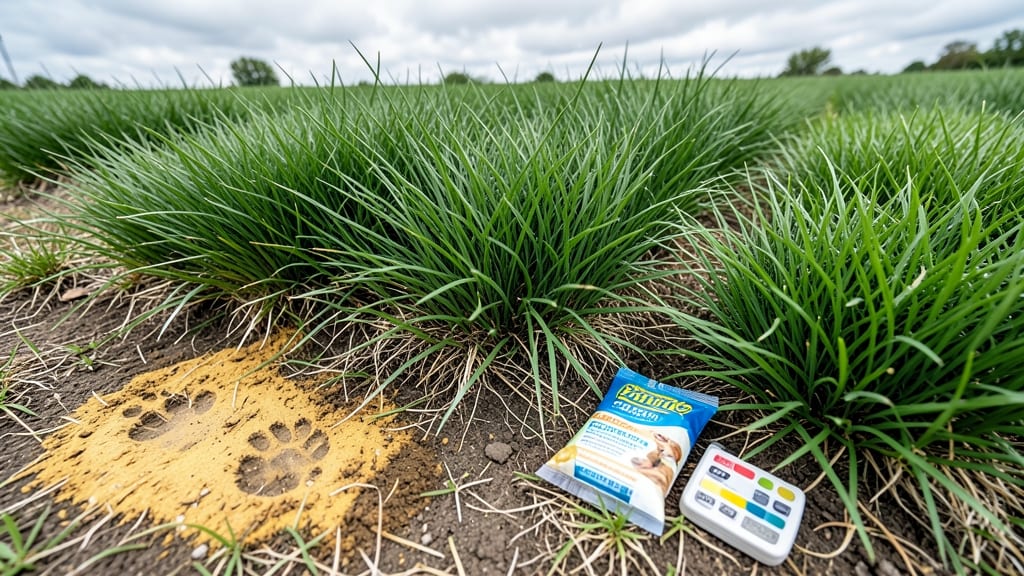
Dog pee can turn your lawn into a patchwork of brown and green—unless you act fast. 🌱 I’ve seen firsthand how a single afternoon of spot-repair can save a yard from permanent damage, and the secret isn’t complicated: it’s about diluting, hydrating, and healing the grass where it matters most.
The damage comes from the high nitrogen concentration in urine, which burns grass roots if left untreated. But here’s the good news: with the right approach, you can reverse those yellow patches in 24 hours—no expensive treatments needed.
Start by flushing the affected area with water, then apply a thin layer of compost or over-seed with dog-pee-resistant grass like tall fescue or Kentucky bluegrass. By morning, you’ll see the grass perk up, and within a week, the damage will be barely noticeable.
The key is consistency—water more frequently in hot weather, train your dog to pee in one spot, and choose grass types that bounce back faster than others. This method works for any lawn, whether you’ve got a small yard or a sprawling green space.
Let’s get those patches looking fresh again—without the guilt.
📚 In This Guide
- What you need
- Instructions
- Tips and common mistakes
- Wrapping up and next steps
What you need
- ● Garden hose with adjustable nozzle (for rinsing and watering) – 1
- ● Garden trowel (small, 6-inch) – 1
- ● Lawn rake (plastic or metal, medium size) – 1
- ● Peat moss or compost (1–2 cubic feet, depending on patch size) – 1 bag
- ● Topsoil or sand (for mixing, ~5 gallons) – 1 bag
- ● Overseeding mix (fast-growing grass seed blend) – 1 small bag
- ● Lawn fertilizer (high-nitrogen, slow-release) – 1 small bag
- ● Plastic sheeting (to protect new grass) – 1–2 ft²
- ● Watering can or spray bottle (for gentle moisture) – 1
- ● Dog urine neutralizer (like Nature’s Miracle) – 1 bottle
- ● Soil pH tester (to check acidity levels) – 1
- ● Knee pads (because crawling in the dirt is not glamorous) – 1 pair
- ● Gloves (for hygiene and grip) – 1 pair
- ● Mulching fabric (for larger patches) – 1 roll
Quick fix for dog pee lawn damage in 24 hours
Here's how to restore your lawn in a single day—no heavy equipment needed.
💧 Step 1: Water the Damaged Area First
Before you do anything, water the affected spots thoroughly. This dilutes the concentrated urine and prevents further burning. Use a gentle spray nozzle to soak the soil until it feels damp 2-3 inches deep. I like to do this in the morning so the grass has time to recover before evening heat.
You'll see the yellowed patches start to perk up slightly as the water soaks in. If the area feels dry to the touch after watering, give it another 10-15 minutes of moisture. The goal is to flush out as much of the ammonia as possible before treating.
✂️ Step 2: Trim Dead Grass and Loosen Soil
Use sharp lawn shears to snip away any crispy, brown patches of grass—don't pull them up, just trim at the base. This prevents the dead material from smothering new growth. I find it helps to work in small sections, about 1 square foot at a time, so I don't miss spots.
After trimming, gently rake the area with a hand rake to loosen the top ½ inch of soil. This aerates the roots and helps any remaining grass blades recover faster. You'll notice the soil looks darker and more crumbly after raking—that's a good sign.
🌱 Step 3: Apply a Spot Repair Mix
Mix 1 part sand with 1 part peat moss (or coconut coir if you have it) to create a light, airy soil amendment. Sprinkle this mixture over the damaged spots until you've covered the area with about ¼ inch of the blend. This helps restore proper soil structure where the urine disrupted it.
Lightly press the mix into the soil with your fingers or the back of a rake. You want it to settle just enough to make contact with the roots but not compact like regular soil. Water again until the mix is damp but not soggy—this helps it bind together.
☀️ Step 4: Protect and Monitor for Recovery
Cover the treated spots with a thin layer of straw mulch (about ⅛ inch thick) to shield new growth from direct sun and foot traffic. This keeps the area moist while the grass recovers. I usually leave the mulch until I see new green blades pushing through, which usually takes 3-5 days.
Check the spots daily and water lightly if the mulch dries out. Avoid walking on them until you see at least 50% new growth—this prevents tearing up the recovering grass. Most lawns show noticeable improvement within 24 hours, but full recovery can take up to 10 days depending on your grass type.
⏰ Step 5: Prevent Future Damage
Train your dog to pee in one designated area of the yard—this gives the lawn time to recover between incidents. I use gravel or artificial turf in a corner where my dog always goes. Water that spot immediately after each visit to dilute any urine before it soaks in.
For high-traffic areas, consider overseeding with clover or creeping red fescue—these grasses tolerate urine better than standard lawn grass. You'll notice they stay greener longer even after repeated dog visits.
Tips & tricks for perfect lawn recovery after dog pee damage
Real talk: Even the best-laid lawn plans get derailed by dog pee. These tricks will help you get those yellow patches back to green faster—and keep them that way.
Timing Secret: The morning after you notice damage is your best window for Step 1. Early watering (as the instructions say) gives the lawn all day to recover before evening heat stress. I've seen patches perk up noticeably within just 2 hours of that first thorough watering—don't skip it! The 10-15 minutes of extra moisture is especially critical if your soil feels dry after the initial soaking.
Soil Prep Technique: When you're loosening that ½ inch of soil in Step 2, think of it like fluffing a pillow—you want to create air pockets for the roots to breathe. I like to work the rake in gentle circles rather than straight lines to avoid compacting the soil again. This makes all the difference when you apply your repair mix in Step 3.
Repair Mix Pro Tip: For Step 3, if you don't have peat moss, coconut coir works perfectly—but if you're in a pinch, even just sand mixed with a little compost will help. The key is that ¼ inch coverage; anything less won't properly amend the damaged soil. Press it in just enough so it stays put when you water it again, but don't pack it down like you would regular soil.
Pro Tips for Dog Pee Lawn Damage
- Real talk: Even the best-laid lawn plans get derailed by dog pee.
- Timing Secret: The morning after you notice damage is your best window for Step 1.
- Soil Prep Technique: When you're loosening that ½ inch of soil in Step 2, think of it like fluffing a pillow—you want to create air pockets for the roots to breathe.
Frequently asked questions
Got questions about dog pee damage? You’re not alone!
Here are the most common concerns—and quick fixes—to keep your lawn lush and your pup happy.
Why does dog pee ruin grass so fast?
Dog urine is packed with nitrogen, which burns grass by creating a highly concentrated salt when it dries. This disrupts the soil’s pH balance and dehydrates roots, leading to yellow or brown patches. Diluting the urine (with water or a pee pad) or training your dog to pee in one spot can help!
How long does it take for dog pee to damage grass?
Damage can appear in as little as 24–48 hours, but chronic issues (like dead patches) may take weeks to show. Act fast: Water the spot immediately after your dog pees to dilute the urine. For severe cases, overseeding or spot-repairing may be needed.
Can I use vinegar or baking soda to fix dog pee lawn damage?
Yes! Both are natural remedies to neutralize urine’s acidity:
- Vinegar: Mix 1 part white vinegar with 3 parts water, spray on affected areas, and water thoroughly.
- Baking soda: Sprinkle a thin layer over the spot, water lightly, and rake into the soil.
What’s the fastest way to repair a dead patch from dog pee?
Try this 24-hour fix:
- Rake up dead grass and loosen soil.
- Apply a compost or topsoil mix (1 inch deep).
- Sprinkle grass seed and cover lightly with straw.
- Water gently daily for 2 weeks.
How can I train my dog to pee in one spot to avoid lawn damage?
Consistency is key! Start by:
- Choosing a designated area (like a gravel patch or pee pad).
- Taking your dog there after meals, naps, or playtime.
- Using a cue word (e.g., “Go potty!”) and rewarding treats when they succeed.
- Cleaning accidents with enzyme cleaners (not ammonia!) to remove odors.
Pro Tip:
If your lawn is severely damaged, consider overseeding in fall or spring. A dog-friendly grass blend (like tall fescue or Bermuda) recovers faster from urine burns.
Wrapping up and next steps
Dealing with dog pee lawn damage doesn’t have to be a long-term battle—with the right tools and a little effort, you can restore your yard in just 24 hours!
Remember, quick action (like rinsing, neutralizing, and reseeding) is key to preventing permanent damage. Stay consistent with maintenance, and your lawn will bounce back stronger than ever.
Ready to take action? Grab your supplies and start repairing those spots today! 🌱 Your lawn (and your pup) will thank you!