
Lawn
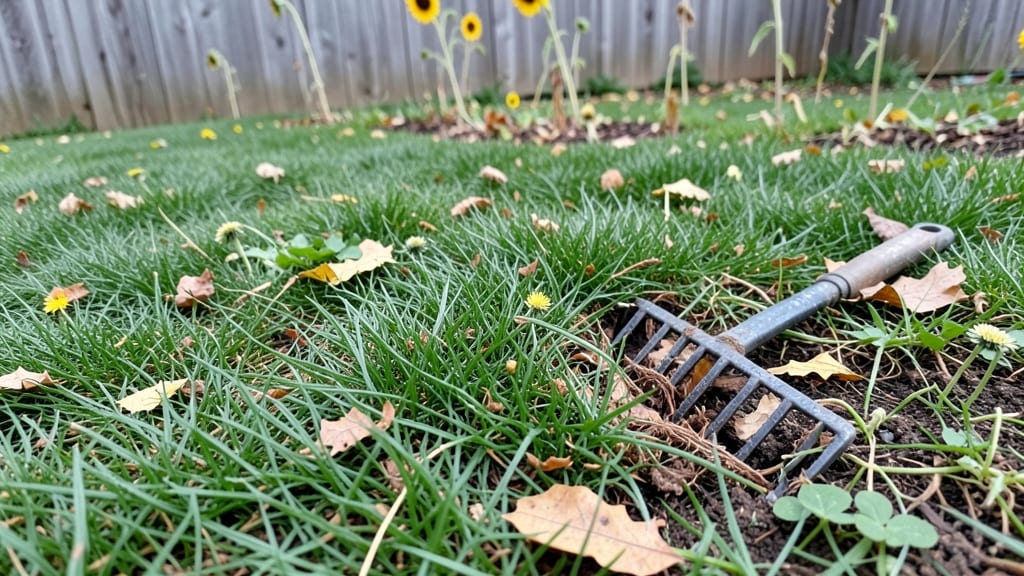
Mulched leaves help grass by retaining soil moisture, regulating temperature, and slowly decomposing into organic matter that enriches the soil, but excessive layers can smother grass and attract pests if not properly managed.
Mulching leaves acts like a natural blanket for your lawn, keeping soil cool in summer and insulated in winter. 🌿 The breakdown of leaves also adds organic material that improves soil structure over time, encouraging deeper grass roots.
However, too much mulch can create a thick mat that blocks sunlight and air, which is why most experts recommend spreading them thinly—about ¼ to ½ inch—and shredding them first for faster decomposition.
Timing matters too: applying mulched leaves in early fall lets them decompose gradually before winter, while spring mulching can smother tender new grass.
I’ve seen firsthand how a properly mulched lawn stays greener longer during dry spells, but neglecting to rake up compacted leaves in spring can lead to fungal issues.
💡 In This Article
- How Leaf Mulch Improves Grass and Soil Health
- Best Practices for Mulching Leaves on Lawns
How leaf mulch improves grass and soil health
Leaf mulch works like a living soil amendment by creating a protective barrier that mimics nature's decomposition cycle. When leaves break down, they form a porous layer that traps moisture near the roots while allowing excess water to drain—similar to how a sponge holds water but still releases it.
This moisture retention can reduce watering needs by up to 30% during dry spells, which is especially valuable in regions with seasonal droughts. The process also regulates soil temperature by insulating against extreme heat or cold, creating a stable environment for grass roots to thrive.
The real magic happens underground where microbial activity kicks into high gear. As leaves decompose, they feed beneficial soil bacteria and fungi that break down organic matter into humus—a dark, crumbly substance that improves soil structure.
This process releases essential nutrients like nitrogen, phosphorus, and potassium gradually over months, rather than all at once like synthetic fertilizers.
However, there's a catch: freshly fallen leaves have a high carbon-to-nitrogen ratio (about 80:1), which means they initially draw nitrogen from the soil as microbes work to balance the ratio. This is why some gardeners mix in nitrogen-rich materials like compost or grass clippings when mulching.
One often-overlooked benefit is weed suppression. A proper layer of mulched leaves blocks sunlight from reaching weed seeds, preventing them from germinating while allowing grass to photosynthesize through the gaps. Studies show that mulch can reduce weed growth by 70-90% when applied at the right thickness.
The texture of shredded leaves also creates air pockets that prevent soil compaction, which is crucial for grass roots that need space to grow downward for better drought resistance. This improved aeration helps roots access deeper moisture and nutrients during dry periods.
For grass health, the key is balance—too little mulch won't provide enough benefits, while too much creates an anaerobic environment that smothers grass. The ideal thickness is about ¼ to ½ inch, which allows sunlight to reach the grass while still providing protection.
Over time, this layer breaks down into organic matter that improves soil tilth (structure), making it easier for roots to penetrate and water to infiltrate. The result is a lawn that's more resilient to foot traffic, heat stress, and disease because the soil ecosystem is healthier and more balanced.
What most people don't realize is how mulched leaves affect soil structure at a microscopic level. The decomposition process creates channels in the soil that improve drainage while retaining moisture—like tiny irrigation systems.
This is particularly beneficial for clay soils that tend to become waterlogged or sandy soils that dry out too quickly. The organic matter also helps bind soil particles together, creating aggregates that hold nutrients and water more effectively than bare soil. 🌱