
Pests
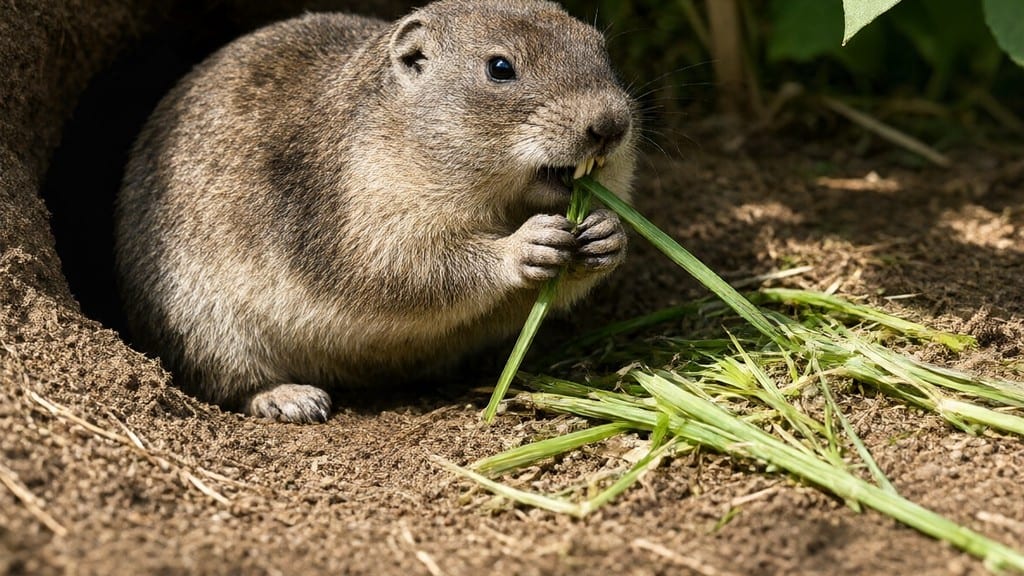
Gophers eat grass as a primary food source, making up 60-80% of their diet, though they also consume roots, tubers, and other vegetation. Their burrowing habits often lead to significant lawn and garden damage.
Gophers rely heavily on fresh green growth, especially during spring and summer when grass is abundant.
Their underground feeding tunnels can uproot entire plants while searching for these food sources. 🌱 I’ve seen firsthand how a single colony can turn a lush lawn into patchy brown swaths within weeks, which is why understanding their eating patterns is key to protecting your yard.
What’s interesting is how their diet shifts with seasons—winter forces them to dig deeper for roots and tubers when surface vegetation disappears. This explains why damage often appears worse after frost or drought, when food becomes scarce above ground.
💡 In This Article
- Gopher Diet Breakdown: Grass vs Other Plant Foods
- Protecting Lawns from Gopher Damage: Effective Barriers and Repellents
Gopher diet breakdown: grass vs other plant foods
Gophers consume grass as their dietary cornerstone, with studies showing they ingest between 60-80% of their total food intake from this source when available. Their preference stems from grass's high water content and easy digestibility, especially for young shoots that are tender and nutrient-rich.
The key factor here is their burrowing behavior—gophers tunnel just below the surface (4-6 inches deep) where they can access fresh grass roots and blades without expending excessive energy. 🌱 This constant grazing creates the telltale mounds and dead patches we see in lawns.
Their diet shifts dramatically with seasons. During spring and summer, when grass grows rapidly, gophers may consume up to 90% of their diet from surface vegetation.
However, in fall and winter, when surface plants become scarce, they rely more heavily on roots and tubers (like carrots, potatoes, and dandelion roots), which can make up 40-60% of their intake.
This seasonal adaptation explains why gopher damage often worsens after frost—when above-ground food disappears, they dig deeper to access stored carbohydrates in roots.
Gopher digestion is uniquely adapted to this plant-heavy diet. Their large, multi-chambered stomachs allow them to ferment fibrous plant material efficiently, similar to cows but on a smaller scale. This fermentation process produces methane, which is why you might occasionally smell a faint "earthy" odor near active burrow systems.
Their teeth also grow continuously to compensate for the abrasive nature of roots and tough grass stems, grinding through up to 1 pound of plant material daily during peak activity seasons.
What most people don't realize is how their burrowing technique influences what they eat. Gophers don't randomly dig—they follow natural "highways" of plant growth. Their tunnels often follow root systems or areas with concentrated plant regrowth, which is why you'll see damage in specific patterns rather than random holes.
This targeted feeding creates the characteristic "gopher holes" that appear as small, crescent-shaped mounds where they've pushed up dirt while accessing underground stems and roots. 🌿 The deeper they tunnel, the more they rely on roots, which explains why damage often appears worse in established lawns with dense root systems.
Here's what this means for your lawn: Gophers prefer young, tender grass over mature growth, which is why newly seeded areas or spring regrowth are prime targets.
Their feeding patterns create a cycle—each bite weakens the plant, leading to yellowing or death, which then triggers more tunneling as they search for fresh growth. The irony? Gophers actually help disperse seeds through their digestive system, but their feeding habits far outweigh any ecological benefits in managed landscapes.
Interestingly, gophers have a strong aversion to woody plants like shrubs or trees, which explains why they rarely damage these species. Their diet remains consistently 90% herbaceous plants (grasses, clovers, legumes) with only 10% or less from occasional insects or small animals when plant food is scarce.
This dietary specialization makes them particularly destructive to lawns and gardens, where their preferred food sources are concentrated. 💫