
Lawn
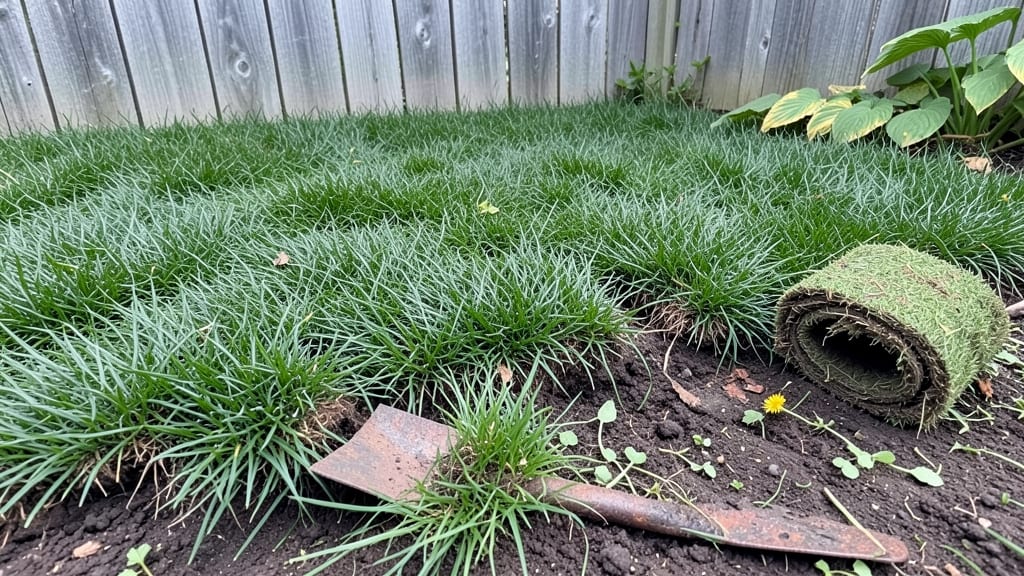
Disposing of sod can feel like a headache—but what you do with that thick, heavy turf makes all the difference. 🌱 I’ve wrestled with sod disposal more times than I’d like to admit, and I finally cracked the code on zero-waste methods that actually work.
The key isn’t just hauling it away; it’s turning that grass into something useful before it hits the landfill.
You’ll need basic tools—a sharp spade, gloves, and a way to transport chunks (a wheelbarrow or tarp works best). If you’re composting, break the sod into smaller pieces first—it decomposes faster that way.
My first attempt at composting whole sod took nearly a year; now I chop it into 2-inch strips and mix it with nitrogen-rich materials like coffee grounds or manure.
The payoff is real: sod breaks down into nutrient-rich soil amendment that improves drainage and feeds future plants. You’ll also avoid hefty disposal fees and keep your yard free of pests that hide in thick turf.
Plus, repurposing sod means your garden benefits twice—once by clearing space, and again by enriching the soil.
Local rules vary, so check with your city’s waste management before piling it up. Some areas ban sod in curbside bins, while others offer special pickup days. If composting isn’t an option, consider donating it to local farmers or using it as erosion control on slopes.
Either way, you’re turning a chore into a garden asset.
📚 In This Guide
- What you need
- Instructions
- Tips and common mistakes
- Wrapping up and next steps
What you need
- ● Heavy-duty gloves (2 pairs) – Protect your hands from sharp grass edges and debris.
- ● Shovel or sod cutter – A matchet-style sod cutter (for precision) or a sturdy flat shovel (for general use).
- ● Wheelbarrow or tarp – A 5-cubic-foot wheelbarrow or a 6x8 ft tarp to haul sod in bulk.
- ● Pruning shears or sharp knife – For trimming stubborn sod edges or roots.
- ○ Rake (optional but helpful) – A bow rake to level the ground after removal.
- ● Water source (hose or bucket) – To dampen dry sod if composting or transporting long distances.
- ● Compost bin or large bags – If composting, use biodegradable bags or a dedicated compost tumbler.
- ● Local compost/recycling facility contacts – Call ahead to confirm drop-off rules (some charge fees!).
- ● Truck or trailer (if large quantities) – For hauling sod to a compost site or donation location.
- ● Mulch or soil amendment – If repurposing sod as mulch, shred it first with a lawn mower.
- ● Workout gear (knee pads, long sleeves) – Because let’s be real, this job can get messy!
Step-by-Step guide to eco-friendly sod removal
Here’s how to remove and repurpose sod without sending it to a landfill.
🪴 Step 1: Remove the Sod in Large, Manageable Pieces
Use a sharp spade or sod cutter to slice the grass into 12-18 inch wide strips. Work in sections, lifting each piece carefully to avoid tearing the roots. I find it easiest to start at one edge and pull the sod toward myself—this keeps the pieces intact and reduces waste. If the sod resists, loosen the soil underneath with the spade first.
Don’t rush this step. The cleaner the cut, the easier it is to transport and repurpose later. If you’re removing sod from a large lawn, consider breaking it into 4-foot squares for easier handling. Roll each piece onto a tarp or directly onto a trailer if you’re hauling it away immediately.
💧 Step 2: Choose a Zero-Waste Disposal Method
Sod isn’t trash—it’s a valuable resource. My go-to options are composting, donating to local farms, or using it as mulch. For composting, chop the sod into 2-3 inch pieces first to speed up decomposition. Mix it with nitrogen-rich materials like grass clippings or manure to balance the carbon-heavy sod.
If composting isn’t an option, check with nearby farms, community gardens, or horse stables—they often need sod for erosion control or bedding. Just call ahead to confirm they accept it. Never leave sod piled up in your yard; it can become a breeding ground for pests and weeds if left unattended.
☀️ Step 3: Repurpose or Transport Responsibly
If you’re composting on-site, spread the chopped sod in a thin layer over your compost pile and water it lightly to help break it down. For larger quantities, use a wheelbarrow or trailer to move it to a designated compost area. I’ve found that turning the pile every few days with a pitchfork keeps it from matting together.
For off-site disposal, load the sod onto a trailer or truck, securing it with bungee cords to prevent shifting. If you’re donating, drop it off during business hours and ask if they need it in specific sizes. Some farms prefer whole sod sheets for erosion control, while others will take chopped pieces for mulch. Always wear gloves—sod can harbor hidden debris like rocks or broken glass.
✂️ Step 4: Clean Up the Area Thoroughly
After removing the sod, rake the soil to remove any remaining roots or debris. This step is critical—leaving behind root fragments means weeds will regrow. I like to use a bow rake for larger areas and a hand rake for edges. If you’re prepping for new planting, now’s the time to amend the soil with compost or fertilizer.
Finally, dispose of any leftover sod scraps by adding them to your compost pile or bagging them for pickup if no other options are available. A clean slate makes all the difference for your next gardening project. Real talk: Skipping this step leads to frustration later when weeds pop up unexpectedly.
Tips & tricks for eco-friendly sod removal
A few simple strategies will make your sod removal project smoother and more sustainable than ever.
The Cutting Technique: When slicing your sod into 12-18 inch strips in Step 1, work perpendicular to the grass growth pattern. This reduces resistance and makes lifting easier. I've found that using a sod cutter with a sharp blade is worth the investment—it glides through sod like butter compared to struggling with a dull spade. For stubborn patches, score the edges first with your spade to create clean breaks.
Composting Hack: In Step 2, if you're composting the sod, don't skip the 2-3 inch chopping step! Smaller pieces break down much faster and won't create a compacted mat in your compost pile. I like to use a string trimmer for this—it's faster than a shovel and gives you perfectly sized chunks. Mix these with equal parts nitrogen-rich materials like coffee grounds or grass clippings to balance the carbon-heavy sod.
Transportation Tip: For Step 3, when moving sod to your compost area or trailer, lay the pieces flat rather than stacking them vertically. This prevents crushing and maintains the integrity of the sod sheets. If you're transporting whole pieces, use a tarp with bungee cords to secure them—this keeps them from shifting and tearing during transport. Always wear gloves during this process; you never know what hidden debris might be buried in that sod!
Cleanup Secret: In Step 4, after raking out all visible roots, run your fingers through the soil one last time. You'd be surprised how many tiny root fragments remain that can sprout into weeds. For particularly stubborn root systems, I've had success using a garden hoe to scrape the surface—it gets those deep-rooted pieces that rakes might miss. This extra effort now saves hours of weeding later.
Pro Tips for Disposing Of Sod
- A few simple strategies will make your sod removal project smoother and more sustainable than ever.
- The Cutting Technique: When slicing your sod into 12-18 inch strips in Step 1, work perpendicular to the grass growth pattern.
- Composting Hack: In Step 2, if you're composting the sod, don't skip the 2-3 inch chopping step!
Frequently asked questions
Got questions about disposing of sod the right way? Here are some common concerns—and eco-friendly solutions—to keep your yard (and the planet) green!
What’s the easiest way to dispose of sod without harming the environment?
Composting is the gold standard! Shred the sod into small pieces (use a lawn mower or shovel) and mix it with brown materials like leaves or straw. Avoid adding it to municipal compost piles, as sod can harbor weeds and pests. Pro tip: If composting isn’t an option, check if your local waste facility accepts green waste—many do!
Can I just leave sod on the curb for trash pickup?
Nope! Most cities ban sod in regular trash due to its bulk and potential for weed seeds. Instead, call your local waste management service—they may offer green waste pickup or direct you to a composting facility. Troubleshooting: If you’re unsure, ask your neighbors or local gardening groups for disposal tips!
Is there a way to reuse sod instead of throwing it away?
Sod can be repurposed as mulch, erosion control for slopes, or even donated to community gardens. Break it into smaller sections and lay it down in flower beds or bare patches. Bonus: The grass roots will eventually decompose, enriching the soil naturally.
Why does sod sometimes smell bad when decomposing?
That’s the science of decomposition! As sod breaks down, it releases gases like ammonia and methane. To minimize odors, keep it moist (not soggy) and turn the pile occasionally for airflow. Quick fix: Sprinkle a thin layer of soil or wood chips on top to speed up the process and reduce smells.
When is the best time of year to dispose of sod?
Spring or fall are ideal—temperatures are mild, and sod decomposes faster. Avoid hot summers, as it can attract pests or slow down composting. Timing tip: If you’re replacing sod in summer, store leftover pieces in a shaded, ventilated area until cooler weather arrives.
Wrapping up and next steps
Disposing of sod doesn’t have to be a hassle—especially when you prioritize sustainability! Whether you compost it, donate it, or repurpose it creatively, every method helps reduce waste while benefiting your garden or community. 🌱
Ready to take action? Pick one method that fits your goals and start transforming your sod into something useful today. Your lawn—and the planet—will thank you!
Pro tip: If you’re unsure where to begin, start small—even a single bag of composted sod makes a difference! 💡