
Plants
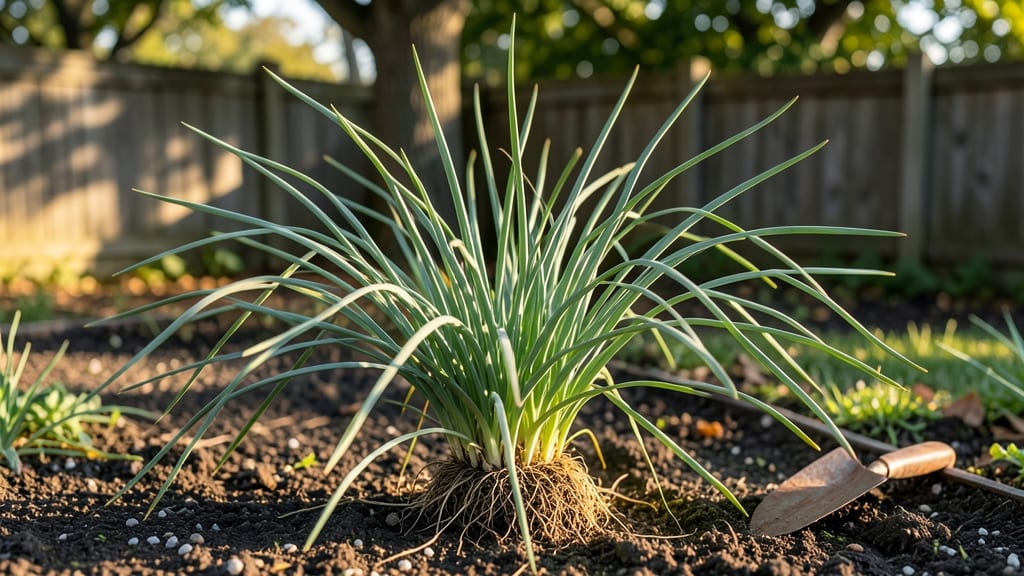
Decorative onion grass 🌿 is the secret weapon for adding bold texture and height to your garden beds without the fuss of high-maintenance plants.
Transform your garden into a striking, textured landscape with it—this bold perennial delivers year-round drama while requiring minimal upkeep. But here’s the catch: if you don’t control its height, it’ll quickly turn from a showstopper into a space hog.
Whether you’re designing a dramatic border or filling a container, the right placement and pruning keep it looking polished. I’ll show you how to balance its natural growth with your garden’s vision, so you get the structure and impact without the overgrowth.
From choosing the perfect variety to trimming techniques that work year-round, you’ll learn the easiest ways to keep decorative onion grass looking intentional, not invasive.
How to control decorative onion grass height for a polished look
Decorative onion grass (Carex spp. or ornamental alliums) thrives on its striking vertical lines, but unchecked growth can quickly turn your garden from elegant to chaotic. The key to maintaining its 1-3 foot height range lies in strategic pruning and seasonal care—without sacrificing its signature architectural charm.
I’ve refined my approach over years of garden trials, and these techniques will help you achieve that polished, manicured look while keeping maintenance simple.
Timing is everything when it comes to height control. Pruning at the wrong moment can stimulate unwanted growth or leave your plants looking ragged. Most gardeners make the mistake of cutting back too late in the season, which disrupts the plant’s natural dormancy cycle.
By following a seasonal pruning schedule, you’ll encourage denser growth and maintain that structured silhouette you love. Let’s dive into the step-by-step process that’s worked perfectly in my own garden.
Step-by-Step Guide to Pruning Decorative Onion Grass
-
Step 1: Choose the Right Tools
Use sharp, clean pruners or a horticultural saw for thicker stems. Avoid dull tools that can tear foliage and invite disease.
-
Step 2: Early Spring Pruning (March-April)
Trim back dead or brown foliage to about 2-3 inches above ground level. This encourages fresh growth without shocking the plant.
-
Step 3: Mid-Summer Light Trim (June-July)
Remove only the top 10-20% of growth to maintain shape. Avoid heavy pruning now—it can reduce winter hardiness.
-
Step 4: Late Fall Cleanup (October-November)
Cut back all dead foliage to 1-2 inches tall. This prevents disease and keeps the base tidy for spring.
-
Step 5: Post-Pruning Care
Apply a 2-inch layer of mulch around the base to retain moisture and suppress weeds. Water deeply after pruning to help recovery.
One of the biggest mistakes I see is using the same pruning technique year-round. Decorative onion grass has distinct growth phases, and each requires a different approach. For example, spring pruning stimulates new growth, while fall cleanup prepares the plant for dormancy.
By aligning your pruning with the plant’s natural rhythm, you’ll achieve that neat, intentional height without overworking the plant.
Your choice of tools can make or break your pruning success. I recommend a bypass pruner for fine stems and a loppers for thicker clumps. Always sterilize your tools with rubbing alcohol between cuts to prevent the spread of fungal diseases like powdery mildew.
A clean cut also promotes faster healing, so take your time—rushing leads to jagged edges that detract from the plant’s polished look.
Seasonal timing is non-negotiable for height control. Pruning in early spring (just as new shoots emerge) encourages bushier growth, while late summer pruning can reduce next year’s flowering.
If you live in a USDA Zone 6 or colder, avoid heavy pruning after September 1st—this gives the plant time to harden off before winter. My garden’s Carex testacea varieties thrive when pruned this way, maintaining their 2-3 foot height without flopping.
After pruning, resist the urge to fertilize immediately. The plant needs time to recover and establish new roots. Wait 4-6 weeks before applying a balanced fertilizer (5-10-10) in early spring. Over-fertilizing after pruning can lead to soft, leggy growth that’s prone to falling over—a common issue in overcrowded gardens.
Instead, focus on well-draining soil and consistent moisture to support strong, upright stems.
For a truly polished look, consider shaping your decorative onion grass with a handheld hedge trimmer in late spring. This works especially well for varieties like Miscanthus sinensis, which can develop a wavy, unruly habit if left unchecked.
Lightly trim the outer edges to encourage a rounded, full silhouette. Just remember: never remove more than one-third of the plant’s height in a single session.
If your decorative onion grass starts to flop or lean, it’s often a sign of overcrowding or poor support. In this case, gently stake taller varieties with bamboo canes tied loosely to the stems.
This maintains the plant’s vertical structure without restricting airflow. I’ve found that spreading out clumps every 2-3 years also prevents height loss by reducing competition for nutrients.
Finally, embrace the textural contrast that decorative onion grass brings to your garden. Pair it with low-growing perennials like heuchera or ajuga to create a layered, dimensional look. The key is balance—let the onion grass stand tall while surrounding plants fill in the gaps.
With these techniques, your garden will achieve that effortless, high-end polish that makes neighbors stop and stare. 🌿
Best decorative onion grass varieties for low-maintenance garden drama
Decorative onion grass isn't just one plant—it's a whole family of textured, architectural grasses that add movement and structure to any garden. Whether you want tall, feathery plumes or compact, mounding clumps, there's a variety perfect for your space.
My top picks balance low-maintenance care with year-round visual interest, so you get drama without the upkeep.
For sun-loving gardens, consider Miscanthus sinensis—its golden plumes sway dramatically in breezes, while Carex testacea offers rust-colored tufts that glow in winter. If you prefer softer textures, Pennisetum alopecuroides delivers silver-blue fountains that contrast beautifully with bold flowers.
Each variety thrives in well-draining soil and full sun, making them ideal for even the busiest gardeners.
Comparison Table: Top Decorative Onion Grass Varieties
When choosing your decorative onion grass, consider your garden's scale and style. For small spaces, Carex testacea stays compact while adding warmth to containers. If you want dramatic height, Miscanthus sinensis creates a focal point in borders.
My personal favorite is Pennisetum alopecuroides—its silver-blue plumes contrast stunningly with purple coneflowers and black-eyed Susans.
All these varieties thrive with minimal pruning. Cut back dead foliage in early spring to encourage fresh growth, and divide clumps every 3-4 years to maintain vigor. With the right sun exposure and well-draining soil, they'll reward you with season-long texture—no fuss required.
Pro tip: Pair tall grasses with low-growing perennials like Heuchera or Sedum to create layered interest. The contrast between feathery plumes and succulent leaves adds depth to any bed. For winter drama, leave seed heads standing—they provide food and shelter for birds while adding structure to bare landscapes.
Ready to transform your garden? Start with just one variety to test its growth habits in your space. Once you see how it performs, you can expand with complementary textures and colors for a truly low-maintenance masterpiece. 🌿