
Lawn
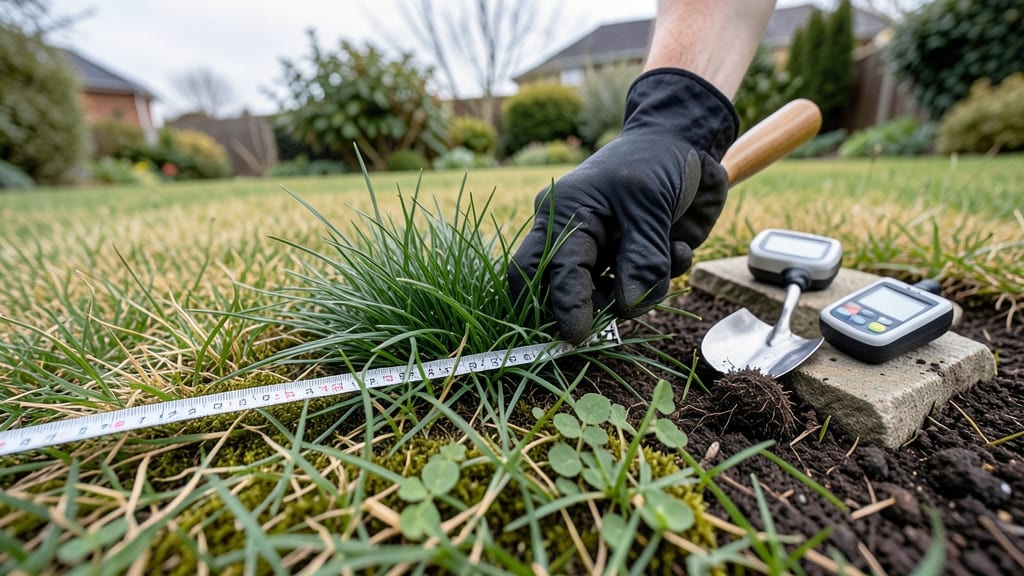
Those darker green patches on your lawn aren't just unsightly—they're your lawn's way of screaming for attention. 🌱 I've battled this exact issue after my dog's favorite spots turned into lush, almost neon-green circles while the rest of the yard stayed dull.
Turns out, it's rarely just about water or mowing—it's about what's not happening below the surface.
The problem usually boils down to nutrient imbalances, often caused by overwatering, compacted soil, or uneven fertilizer distribution. My lawn's patches started when I switched to a heavy-handed watering schedule without adjusting my fertilizer routine.
Within weeks, those spots became thatch magnets for fungus and pests. The good news? Fixing it is simpler than you'd think—no need for expensive treatments or lawn replacements.
By the time you finish testing your soil and applying the right nitrogen-boost, those patches will blend seamlessly into the rest of your lawn. You'll notice the difference in 7-14 days: thicker blades, deeper roots, and a uniform color that makes your neighbors ask for your secret.
The best part? This method works for any grass type, from cool-season Kentucky bluegrass to warm-season Bermuda.
Here's the kicker: preventing future patches is even easier than fixing them. A simple maintenance routine—like core aeration twice a year and seasonal soil tests—keeps your lawn looking like a pro-manicured course, not a science experiment. Let's get those patches under control before they become permanent.
📚 In This Guide
- What you need
- Instructions
- Tips and common mistakes
- Wrapping up and next steps
What you need
- ○ Soil Test Kit – To identify nutrient deficiencies (e.g., nitrogen, iron, or phosphorus). Optional but highly recommended!
- ● Slow-Release Fertilizer – 10-10-10 or 16-4-8 NPK ratio, 10 lbs per 500 sq ft of affected area.
- ● Iron Supplement – Chelated iron granules or liquid (e.g., Ironite) for chlorosis. 1 lb per 1,000 sq ft.
- ● Lawn Mower with Adjustable Height – Set blades to 3–4 inches for even growth.
- ● Garden Rake or Dethatcher – For aerating compacted soil (rent or buy a manual/rotary model).
- ● Watering Can or Hose with Adjustable Nozzle – For deep, even watering (1–1.5 inches per week).
- ● Gloves & Knee Pads – Because comfort matters! 😉
- ● Lime or Sulfur – If soil pH is below 6.0 or above 7.5 (test first!). 50 lbs per 2,500 sq ft.
- ● Organic Matter – Compost or peat moss (¼ inch layer) to improve soil structure.
- ● Lawn Weed Killer – Spot-treatment for weeds competing with grass (e.g., Vinegar + Dish Soap for DIY).
- ● Soil Probes or Auger – For deeper core aeration if soil is heavily compacted.
Step-by-Step guide to fixing darker green patches on your lawn
Uneven color in your lawn isn’t just an eyesore—it’s a sign your grass is begging for balance.
🌱 Step 1: Identify the Cause of Uneven Growth
Before reaching for fertilizers, I inspect the patches closely. Darker green areas often mean over-fertilization or excess moisture in that spot, while lighter patches may signal compaction or nutrient deficiency. Run your hand over the soil—if it feels spongy and retains moisture, you’ve got a drainage issue. If it’s hard and dry, compaction is likely the culprit.
Check for shade patterns too. Grass grows thicker in sunnier spots naturally, so if one area gets more light, it’ll always look greener. I mark the boundaries of each patch with stakes or spray paint to track progress after treatment.
💧 Step 2: Aerate and Loosen Compacted Soil
Compacted soil suffocates roots, leading to uneven growth. Rent a core aerator (or use a manual aerating tool) to pull 3-4 inch deep plugs across the entire lawn, focusing on lighter patches. Work in small sections—don’t try to cover the whole yard at once. You’ll see soil cores popping up as you go; these are your progress markers.
After aerating, I spread a ¼ inch layer of compost over the entire area and lightly rake it in. This adds organic matter to improve soil structure and helps level out nutrient distribution. Water deeply afterward to settle everything—½ inch of water should soak in within 30 minutes.
☀️ Step 3: Apply a Balanced Fertilizer in Stages
Darker green patches often mean nitrogen overload, so I avoid quick-release fertilizers. Instead, I use a slow-release, balanced formula (10-10-10 or 16-4-8) applied in three light stages over two weeks. Start with half the recommended dose, then repeat after 7 days and again after 14 days. This prevents burning while gradually evening out color.
Spread fertilizer when the lawn is dry (morning is best) and water immediately afterward to activate it. Avoid overwatering—soggy soil washes nutrients away, leaving you right back where you started. You’ll notice patches start greening uniformly within 7-10 days if the soil is healthy.
✂️ Step 4: Mow and Maintain for Long-Term Balance
After treating, I adjust my mowing height to 3-4 inches for cool-season grasses or 1-2 inches for warm-season types. Cutting too short stresses the lawn and highlights uneven growth. Use a sharp mower blade—dull blades tear grass, inviting disease and further color inconsistency.
Water deeply 2-3 times per week (early morning) rather than daily light sprinkles. Aim for 1-1.5 inches per week total. You’ll know you’re doing it right when water penetrates 4-6 inches deep—dig a small hole to check. Over time, this encourages deep root growth, which naturally evens out color.
🌿 Step 5: Monitor and Adjust Seasonally
Lawns change with seasons, so I re-evaluate every 3 months. In spring, I top-dress with compost or a thin layer of sand to improve drainage. In fall, I apply a low-nitrogen, high-potassium fertilizer to strengthen roots before winter. If patches persist, I test soil pH—6.0-7.0 is ideal for most grasses.
Here’s the thing—patience is key. It takes 3-6 months to see full results, but consistent care prevents future imbalances. I keep a lawn journal to track treatments and note what works best for my yard’s specific conditions.
Tips & tricks for fixing uneven lawn color
These targeted strategies will help you diagnose and correct those stubborn darker green patches while keeping your entire lawn healthy and vibrant.
Diagnosis Depth: Don't stop at visual inspection—dig a small test hole (about 2 inches deep) in both dark and light patches. The difference in soil texture and moisture levels will reveal whether you're dealing with compaction, overwatering, or nutrient imbalance. I've found that dark patches often have soil that stays moist for hours after watering, while lighter areas drain quickly but lack organic matter.
Equipment Upgrade: If renting a core aerator isn't practical, consider a manual aerating tool with hollow tines—it creates the same 3-4 inch deep holes that break up compacted soil. For larger lawns, I recommend doing half the yard one weekend and the other half the following weekend. This prevents soil disturbance from drying out too quickly, which can stress your grass.
Fertilizer Application Technique: When applying that first half-dose of balanced fertilizer, use a spreader set to "half" or "light" setting to avoid clumping. I like to work in overlapping passes (like mowing) to ensure even coverage. After each application, water immediately with about ¼ inch of water to activate the nutrients without washing them away.
Seasonal Maintenance: Mark your calendar for the 3-month seasonal check-ins mentioned in Step 5. I use colored stakes to flag areas that need special attention—red for compaction, blue for drainage issues, and green for nutrient needs. This visual system helps me quickly identify problem spots during my regular lawn care routine.
Pro Tips for Darker Green Patches On Lawn
- These targeted strategies will help you diagnose and correct those stubborn darker green patches while keeping your entire lawn healthy and vibrant.
- Diagnosis Depth: Don't stop at visual inspection—dig a small test hole (about 2 inches deep) in both dark and light patches.
- Equipment Upgrade: If renting a core aerator isn't practical, consider a manual aerating tool with hollow tines—it creates the same 3-4 inch deep holes that break up compacted soil.
Frequently asked questions
Got questions about those mysterious darker green patches on your lawn? You’re not alone!
Here are some of the most common concerns—and straightforward answers—to help you diagnose and fix the issue fast.
What causes darker green patches on lawns in the first place?
Darker green patches usually mean your lawn is getting more nutrients or water in those spots. Common culprits include:
- Uneven fertilizer application (too much in one area)
- Water runoff from sprinklers or rain gutters
- Soil compaction or thatch buildup trapping moisture
- Shade differences (e.g., near trees or fences)
How long does it take for the patches to fade after fixing the issue?
If the cause is over-fertilization or excess water, you’ll likely see improvement in 1–2 weeks as the grass adjusts. For deeper issues like soil compaction, it may take 4–6 weeks to even out. Mow higher (3–4 inches) to reduce stress on the lawn while it recovers.
Can I use vinegar or other household items to lighten the patches?
While vinegar or bleach might temporarily lighten the color, they’re not ideal solutions. Vinegar can harm grass, and bleach leaves behind harmful residue. Instead, focus on balancing nutrients with a low-nitrogen fertilizer or aerating the soil to promote even growth.
Is it safe to mow over darker green patches?
Yes! Mowing is safe and can actually help blend the patches into the rest of your lawn. Just avoid cutting more than ⅓ of the grass blade at once to prevent stress. If the patches are very lush, raise your mower blade slightly to reduce shock to the grass.
What’s the best way to prevent darker green patches in the future?
Prevention is about consistency:
- Use a spreader for even fertilizer distribution
- Check sprinkler heads for overlapping coverage
- Aerate compacted soil annually
- Test your soil to avoid over-fertilizing
Wrapping up and next steps
Darker green patches on your lawn don’t have to be a mystery—they’re often just a sign your grass is craving a little extra love! 🌱 Whether it’s a nutrient boost, improved watering habits, or better soil health, you now have the tools to turn those uneven spots into a lush, uniform carpet.
Start small: test your soil, adjust your care routine, and watch your lawn thrive.
Ready to take action? Grab your gloves, pick one fix from this guide, and give your lawn the upgrade it deserves—your future green oasis starts today! 🌿