
Lawn
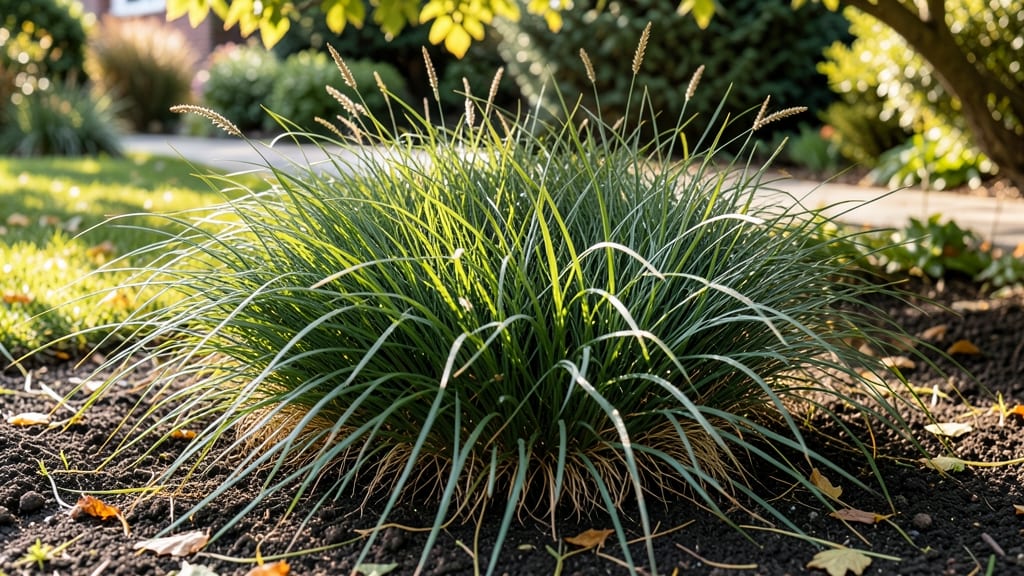
Those mysterious dark green areas in your lawn aren’t just unsightly—they’re your grass’s way of screaming for help. 🌱 I’ve seen this too many times: homeowners assuming it’s healthy growth, only to find it’s actually a sign of stress, overwatering, or even moss taking over.
The good news? You can revive it with the right approach.
Most of the time, these patches mean your lawn is either drowning in water or starving for nutrients like iron. Overwatering suffocates roots, while moss thrives in shady, damp spots.
A simple soil test or close inspection of the texture (slimy = moss, spongy = overwatered) will tell you what’s really going on. Don’t guess—your grass will thank you.
With the right fix—whether it’s adjusting your watering schedule, aerating compacted soil, or applying an iron supplement—you’ll see those patches turn back into lush, uniform green in just a few weeks. The key is acting fast before the problem spreads. Think of it as a quick lawn rescue mission.
Works for any grass type, from cool-season Kentucky bluegrass to warm-season Bermuda. Here’s how to diagnose and fix it for good—no more guessing games. Your lawn’s revival starts now.
Root Causes Of Patchy Shade
Dark green patches in your lawn aren’t just an eyesore—they’re a signal from your grass that something’s off. Understanding the why behind these discolored spots is the first step to fixing them. Below, we break down the most common culprits, backed by science and actionable insights.
Too much water—or water that lingers—can create the perfect storm for dark, spongy patches. When soil stays soggy, grass roots suffocate from oxygen deprivation, leading to a thatch buildup that traps excess moisture and nutrients. Over time, this causes:
- Fungal growth (like Rhizoctonia or Pythium), which thrives in wet conditions and turns grass dark green or brown.
- Root rot, where anaerobic bacteria break down roots, weakening the plant’s ability to absorb sunlight and nutrients.
- Algae blooms in shaded or compacted areas, creating slimy, dark green films that smother grass.
Actionable fix: Test your soil’s drainage by digging a 6-inch hole—if water pools after 6 hours, amend with sand or compost to improve aeration. Water deeply but infrequently (1–1.5 inches per week) to encourage deep root growth.
Grass needs sunlight to photosynthesize, but dense shade (from trees, fences, or buildings) forces it into survival mode. Dark green patches in shaded areas often signal:
- Nitrogen overload: Shady grass craves nitrogen to compensate for low light, but too much creates lush, weak growth prone to disease.
- Iron deficiency: While iron is essential for chlorophyll (the pigment that makes grass green), excessive iron in shaded soil can actually block sunlight absorption, leading to dark, dull patches.
- Competition from weeds: Shade-loving weeds (like clover or moss) outcompete grass for nutrients, leaving behind uneven, discolored areas.
Actionable fix:
- Apply a slow-release, balanced fertilizer (10-10-10 or 16-4-8) in early spring to avoid nitrogen spikes.
- Use iron chelates (like iron sulfate) sparingly—test soil first to avoid toxicity.
- Thin tree canopies or install reflective mulch to bounce light onto shaded spots.
Dark green patches with a slimy, mushy texture are often a red flag for fungal infections. Pathogens like Drechslera (helminthosporium) or Fusarium thrive in:
- Compacted soil: Poor airflow lets fungi spread unchecked.
- High humidity: Morning dew + warm nights = fungal feast.
- Over-fertilized lawns: Excess nitrogen weakens grass defenses.
Visual clues:
- Patches that feel spongy when stepped on.
- Grass blades with dark streaks or blisters.
- Rapid spread in cool, wet seasons.
Actionable fix:
- Apply a fungicide with chlorothalonil or propiconazole at the first sign of spread.
- Improve airflow with core aeration (rent a core aerator or hire a pro).
- Water in the early morning to reduce humidity buildup.
Heavy foot traffic, machinery, or clay-heavy soil can compact the root zone, cutting off oxygen and nutrients. Compacted areas often show as:
- Dark green, rubbery patches (from waterlogging).
- Slow recovery after mowing or drought.
- Weeds thriving where grass struggles.
Actionable fix:
- Core aerate in spring or fall—plugs of soil are removed, allowing roots to breathe.
- Top-dress with sand or compost to break up clay.
- Avoid walking on wet grass to prevent further compaction.
💡 Pro Tip: If your dark patches smell musty or feel slimy, fungal activity is likely. For dry, crusty patches, compaction or nutrient imbalance is the culprit. Test your soil (pH, nitrogen, iron) before treating—overcorrecting can make problems worse!
Revive Your Lawn’s Richness
Turn those dull, dark green patches into lush, vibrant grass with targeted fixes. The solution depends on the root cause—whether it’s iron deficiency, poor drainage, fungal issues, or overwatering. Below, we break down the best approaches for each problem, plus tips to keep your lawn thriving long-term.
---
If your lawn’s dark green patches are caused by low iron, a simple nutrient boost can work wonders.
Step-by-Step Revival: 🔥 Test Your Soil First – Use a soil test kit (available at garden centers) to confirm iron deficiency before treating. This ensures you’re addressing the right issue.
🍳 Apply Iron Supplements – Choose an iron-based fertilizer (like iron sulfate or chelated iron) designed for lawns. Follow the package instructions for application rates—typically 1–2 pounds per 1,000 sq. ft.
👨🍳 Spread Evenly – Use a spreader for uniform coverage. Water lightly afterward to help absorption.
⏰ Reapply as Needed – Iron can leach out with rain or overwatering, so repeat every 4–6 weeks during growing seasons (spring and fall).
✨ Pro Tip: For organic solutions, try compost tea or iron-rich mulch (like oak leaves) to slowly replenish nutrients.
---
Poor drainage creates soggy, dark green spots where grass struggles to breathe.
How to Improve Drainage: 🔥 Aerate Compacted Soil – Rent a core aerator to pull small plugs from the lawn, breaking up compacted areas. Do this in early fall or spring.
🍳 Add Organic Matter – Mix in compost or sand (50/50 blend) to loosen soil and improve water absorption. Top-dress with a thin layer (¼ inch).
👨🍳 Reseed Bare Spots – After aerating, overseed with a drought-tolerant grass variety (like tall fescue or Kentucky bluegrass) to fill in thin areas.
✨ Pro Tip: Install French drains or swales (shallow trenches) in low-lying areas to redirect excess water.
---
Dark green patches from fungal issues (like dollar spot or brown patch) need immediate action to prevent further damage.
Fungal Treatment Plan: 🔥 Reduce Moisture – Water deeply but less frequently (early morning is best). Avoid overhead sprinkling, which keeps leaves wet.
🍳 Apply Fungicide – Use a systemic fungicide (like propiconazole or chlorothalonil) labeled for lawn fungi. Follow label rates for safety.
👨🍳 Improve Airflow – Thin out dense grass with a mower set high (3–4 inches) to reduce humidity in the turf.
🔪 Remove Debris – Clear leaves, thatch, and clippings to eliminate fungal food sources.
✨ Pro Tip: Baking soda spray (1 tbsp per gallon of water) can help in mild cases as a natural fungicide.
---
Too much water weakens roots and invites dark green, waterlogged patches.
Watering Adjustments: 🔥 Check Soil Moisture – Stick your finger 2 inches into the soil. Water only if it’s dry.
🍳 Water Deeply, Infrequently – Aim for 1–1.5 inches per week, including rain. Use a soaker hose or drip irrigation for efficiency.
👨🍳 Fix Irrigation Issues – Adjust sprinklers to avoid overspray on sidewalks or driveways, which wastes water.
⏰ Best Times to Water – Early morning (4–8 AM) minimizes evaporation and fungal risks.
✨ Pro Tip: Install a rain sensor on your irrigation system to pause watering during rainy periods.
--- Prevention for the Future: - Mow high (3–4 inches) to shade roots and retain moisture. - Fertilize regularly with a balanced NPK ratio (e.g., 16-4-8) to avoid nutrient imbalances. - Test soil annually to catch deficiencies early. - Dethatch every 1–2 years to prevent thatch buildup, which traps moisture and invites disease.
With the right approach, your lawn will bounce back with deep, vibrant green in no time! 🌿💚
Frequently asked questions
Why do dark green patches feel spongy or slimy?
Those textures usually mean fungal growth or algae taking over. Fungi like Pythium thrive in damp conditions, creating spongy patches, while algae forms slimy films in shaded, wet areas. Test by pressing your finger in—if it feels mushy, it’s likely fungal.
Can I just fertilize to fix dark green areas?
Not always! Fertilizer helps, but only if the issue is nutrient deficiency. If the problem is overwatering or fungus, extra nitrogen can make it worse by feeding the problem. Always test soil first and address drainage or fungal issues before fertilizing.
How do I know if it’s moss vs. fungus?
Moss feels soft and velvety, while fungus often has dark streaks or blisters on blades. Moss stays green even when dry, while fungal patches may turn brown or die back. Pull up a small patch—moss lifts easily, while fungus clings to the soil.
Will aerating help with dark green patches?
Aeration breaks up compacted soil, improving airflow and drainage—the two biggest culprits behind dark, unhealthy patches. Rent a core aerator or hire a pro to pull plugs in spring or fall for best results.
Can I use vinegar to kill moss in dark green areas?
Yes, but use it carefully! A 1:1 vinegar-water spray kills moss, but it also harms grass. Spot-treat only the mossy areas, avoid sunny days (it burns grass faster), and water thoroughly afterward to dilute any residue. For large areas, consider a natural moss killer with iron.