
Lawn
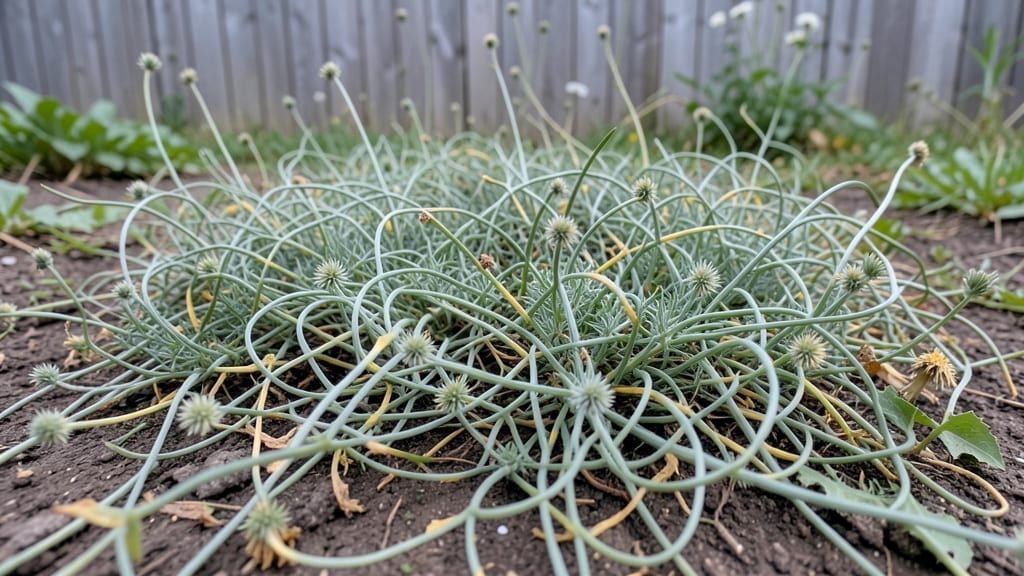
Creeping vine grass 🌿 is the secret weapon for transforming shady lawns into lush, weed-free carpets—if you know how to plant it right.
Frustrated by bare patches or invasive weeds choking your yard? This fast-spreading ground cover thrives where others fail, but only when you follow the key planting rules. Skip the mistakes, and you’ll have a dense, green mat in just a few months.
We’re talking about a plant that handles partial shade like a champ, spreads quickly to outcompete weeds, and needs almost no fuss once established. The trick? Getting the soil, spacing, and timing just right from the start.
In this guide, I’ll walk you through everything—from the best spring planting window in Zone 6a to watering, fertilizing, and keeping it from taking over. Let’s get your lawn looking effortless.
How creeping vine grass spreads and thrives in shady areas
Creeping vine grass (Microstegium vimineum) is a shade-loving powerhouse that spreads effortlessly while outcompeting weeds in low-light areas. Unlike sun-hungry lawns, this fast-spreading ornamental grass thrives under dappled shade or filtered light, making it ideal for woodland gardens, north-facing yards, or dense shrubbery borders.
Its rhizomatous root system allows it to fill gaps quickly, but without proper management, it can become invasive—so understanding its growth habits is key to controlling it effectively.
The secret to creeping vine grass’s success lies in its aggressive yet controlled spread. It grows via both stolons (above-ground runners) and rhizomes (underground stems), creating a dense mat that smothers weeds.
In partial shade, it spreads 2-3 times faster than in full sun, thanks to its ability to photosynthesize efficiently under 1000-2000 lux of light—about what you’d find under medium-density tree canopies. This makes it perfect for shady lawns where traditional grasses struggle.
Here’s how its root structure works: Stolons spread horizontally, forming new roots at every 4-6 inch node, while rhizomes grow deeper, anchoring the plant and storing nutrients.
This dual-spreading system ensures rapid coverage but also means you’ll need to contain it with edging if you don’t want it overtaking flower beds. The good news? It’s non-invasive in contained spaces and far less aggressive than bamboo or mint.
To maximize its shade tolerance, aim for 30-70% shade—any less, and it may thin out, while full shade can stunt growth. The ideal soil for creeping vine grass is moist but well-draining, with a slightly acidic to neutral pH (6.0-7.0).
Amend heavy clay soils with compost or perlite to prevent waterlogging, which can lead to root rot in its delicate stolon nodes. A mulch layer of 2-3 inches helps retain moisture while suppressing weeds.
One of the most misunderstood aspects of creeping vine grass is its water needs.
While it loves moisture in its first growing season, once established, it becomes drought-tolerant—though it won’t handle prolonged dry spells as well as full-sun grasses like buffalo grass. Water deeply 2-3 times per week during its first year to encourage root establishment, then reduce to once weekly in summer and bi-weekly in winter.
Overwatering, however, can weaken its stolons, making them prone to fungal diseases like brown patch.
If you’re worried about invasive spread, the key is containment. Use landscape fabric edging or metal barriers buried 6 inches deep to block rhizomes from creeping into unwanted areas.
For large areas, mow the grass every 4-6 weeks in spring and summer to encourage bushier growth and prevent runners from spreading too aggressively. In small gardens, hand-pull any stray stolons that escape their boundaries—this takes just 10 minutes weekly during peak growth months.
Creeping vine grass also adapts beautifully to different shade levels, from deep shade under evergreens to bright shade near north-facing walls. In deep shade (less than 30% light), expect slower growth but still weed suppression.
For best results, pair it with hostas, ferns, or astilbes, which thrive in similar conditions. Its arching, vine-like stems add textural interest, making it a garden designer’s favorite for layered shade gardens.
To boost its vigor in shady spots, apply a light layer of compost in early spring and a balanced 10-10-10 fertilizer every 6-8 weeks during the growing season. Avoid high-nitrogen fertilizers, which can lead to lush but weak growth prone to pest damage like slugs or grasshoppers.
Instead, focus on organic matter to strengthen its root system—this ensures it stays dense and healthy even in low-light conditions.
One common mistake gardeners make is assuming creeping vine grass is indestructible. While it’s tough once established, it’s not frost-hardy in its first year. Protect young plants with a light mulch in USDA Zones 5 and below during winter months to prevent cold damage.
In warmer zones (6-9), it’s perennial and will regrow vigorously each spring, often doubling in size within 2-3 years if given the right conditions.
For maximum coverage, plant creeping vine grass in early spring (after the last frost) or early fall, when temperatures are cool but still warm enough for root growth.
Space plugs 12-18 inches apart to allow for natural spreading, or use sod sheets for instant ground cover in large areas. If you’re reviving an existing shady lawn, overseed with creeping vine grass in late summer for best establishment before winter dormancy.
Creeping vine grass isn’t just fast-spreading—it’s also low-maintenance, requiring minimal pruning once established. Trim tattered fronds in late winter to encourage fresh growth, and divide clumps every 3-4 years to rejuvenate older sections.
With the right shade, soil, and containment, it’ll transform your dim lawn into a lush, weed-free carpet in just one growing season. 🌿
⚠️ summary table ⚠️