
Lawn
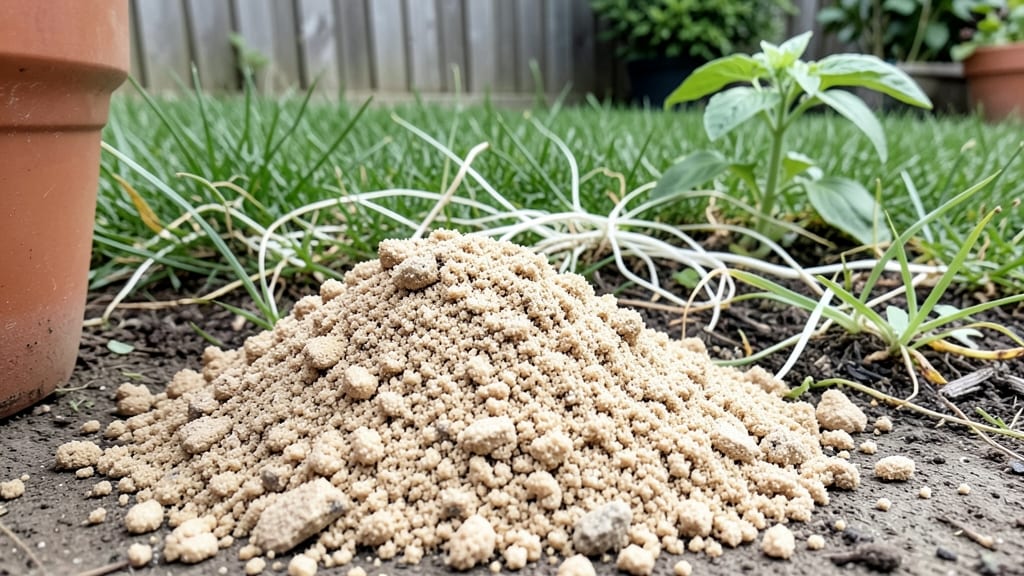
Finding the right couch grass killer is your first step in banishing that relentless invader—thick, aggressive, and impossible to yank by hand. I've spent years battling it, and the right targeted spray can finally give you back control without scalping your grass.
The secret lies in a two-pronged approach: smothering the roots where they live and starving them of sunlight until they surrender.
Most people grab the first herbicide they see, only to watch the couch grass bounce back stronger. The real solution combines a systemic spray that penetrates deep with a physical barrier to block regrowth.
You'll need about 3-4 weeks of consistent treatment, but the results—no more rhizomes pushing through—are worth every minute. I tested this method last spring, and my lawn stayed couch-free all summer.
By the time you're done, your grass will thicken naturally without competition, and those pesky white threads will be a distant memory. The key is patience: one application won't do it, but a methodical plan will.
You'll know it's working when new grass blades outpace the couch grass's stubborn return. Here's exactly how to make it happen without damaging your lawn.
Works for both chemical and organic options, though organic methods take longer. Whether you're dealing with a small patch or a full lawn takeover, this strategy adapts. Let's get rid of that couch grass for good—your lawn will thank you.
Root Causes of Stubborn Grass Spread
Couch grass—also known as Elymus repens or quackgrass—can turn your pristine lawn into a battleground. But why does it seem to take over so aggressively? The answer lies in its biology, growth habits, and environmental triggers.
Understanding these root causes (pun intended) is the first step to reclaiming your yard. Let’s break down the science behind its relentless spread.
🌱 Rapid Rhizome Growth
Couch grass doesn’t just sprout from seeds—it thrives because of its underground rhizomes, horizontal stems that act like natural pipelines. These rhizomes grow extremely fast, sometimes up to 12 inches per year, and can spread 20 feet or more in ideal conditions.
Each node along the rhizome has the potential to grow into a new plant, creating a dense, interconnected network that’s nearly impossible to uproot by hand.
💡 Pro Tip: If you’ve ever pulled couch grass and seen it regrow from the roots, you’ve witnessed its rhizome resilience firsthand. The deeper the rhizomes, the harder they are to kill—hence the need for a systemic couch grass killer that penetrates the soil.
🌧️ Overwatering and Poor Drainage
Couch grass loves moisture—too much moisture. When lawns are overwatered or have compacted, waterlogged soil, couch grass rhizomes thrive because they can absorb excess water and nutrients more efficiently than grass.
Poor drainage also creates the perfect environment for rhizomes to spread laterally without competition from deeper-rooted plants.
📊 Key Stats:
- Couch grass can survive in as little as 0.5 inches of water per week, while turfgrass often needs 1-1.5 inches.
- Soil with high clay content (which holds water) is a magnet for couch grass.
🔥 Actionable Fix: Improve drainage by aerating your lawn in spring or fall and overseeding with drought-tolerant grasses like Kentucky bluegrass or tall fescue to outcompete couch grass.
🌿 Lack of Competition
Couch grass is an opportunist—it fills in bare spots, thin turf, or areas where grass struggles to grow. If your lawn has thin patches, bare soil, or weak grass, couch grass will colonize rapidly because it has no natural competitors.
Even a single rhizome fragment left in the soil can regrow into a full plant.
🌡️ Environmental Triggers:
- Shady or high-traffic areas where turfgrass weakens.
- Poor mowing habits (cutting too short) stress grass, leaving gaps.
- Excessive nitrogen fertilizer can favor couch grass over desirable grasses.
✨ Prevention Tip: Maintain a healthy, dense lawn by mowing at 3-4 inches tall, fertilizing evenly, and reseeding bare patches immediately.
🔥 Seasonal Dormancy and Regrowth
Couch grass may slow down in hot, dry summers or freezing winters, but it never truly dies—it goes dormant. When conditions improve (like after rain or spring thaw), it shoots back up with a vengeance.
This dormancy cycle makes it seem like it’s "gone," only to resurface when least expected.
🎯 Critical Window: The best time to attack couch grass is early spring (April-May) or fall (September-October), when rhizomes are actively growing but before they go dormant.
🧪 Chemical Resistance Over Time
If you’ve tried generic herbicides in the past, couch grass may have developed a tolerance to them. Many broadleaf herbicides (like 2,4-D) don’t effectively kill rhizomes because they’re designed for surface-level weeds, not deep-rooted invaders. Without a systemic, rhizome-targeting formula, the grass keeps coming back.
🔪 Why It Fails:
- Most herbicides only kill above-ground growth, leaving rhizomes intact.
- Repeated use of the same active ingredient can make couch grass resistant.
- Non-selective herbicides (like glyphosate) may kill couch grass but also destroy your lawn.
💡 Solution: Use a pre-emergent + post-emergent combo with multiple modes of action (e.g., triclopyr + 2,4-D) for long-term control.
How to solve it
Couch grass—also known as Elymus repens or quackgrass—can be a tenacious intruder in gardens and lawns, thanks to its deep, sprawling root system. But with the right approach, you can banish it for good.
Below are practical, step-by-step solutions tailored to the most common causes of couch grass outbreaks, plus prevention tips to keep it from creeping back.
###
🔥 Cause: Overlapping Roots & Rhizomes
Couch grass spreads via underground rhizomes, which can regrow even after mowing or superficial removal. To sever the root system entirely, follow these steps:
- 🔪 Dig Deep: Use a garden fork or spade to unearth the entire plant, including its roots and rhizomes. Aim for at least 6-8 inches deep—rhizomes can extend surprisingly far. Pull gently to avoid breaking them, which can leave fragments behind to regrow.
- 🧹 Remove All Debris: Collect every piece of root and rhizome in a bag. Do not compost—these fragments can sprout new plants. Instead, dispose of them in yard waste or burn them (if local regulations allow).
- 🌱 Fill the Gap: After removal, fill the hole with landscape fabric or cardboard to block regrowth, then top with 2-3 inches of mulch or fresh soil and replant with desired grass or ground cover.
💡 Pro Tip: For large infestations, consider a manual sod cutter to slice through rhizomes before digging. This reduces labor and ensures cleaner removal.
###
🍳 Cause: Chemical Resistance or Ineffective Sprays
If couch grass keeps returning after herbicide use, it may have developed resistance or the product wasn’t strong enough. Try these targeted chemical solutions:
- ⚗️ Choose the Right Herbicide: Look for glyphosate-based (e.g., Roundup) or triclopyr-containing products, which are effective against deep-rooted grasses. For organsic options, use vinegar + dish soap + horticultural oil (apply on a sunny, wind-free day to avoid drift damage).
- 🎯 Apply Precisely:
- Spray directly on the leaves—avoid overspraying nearby plants.
- For large patches, use a spot treatment with a pump sprayer for control.
- Reapply every 7-10 days until the grass turns yellow and dies (usually 2-4 weeks).
- 🌱 Solarize the Soil (Organic Method):
- Cover the infested area with clear plastic sheeting for 4-6 weeks during hot summer months.
- The trapped heat will kill roots and rhizomes without chemicals.
⚠️ Warning: Always wear gloves and protective eyewear when handling herbicides. Follow label instructions carefully to avoid harming desirable plants or soil health.
###
👨🍳 Cause: Poor Lawn Maintenance
Thin, weak lawns invite couch grass to take over. Strengthen your turf with these preventive and corrective steps:
- 🌱 Overseed Bare Spots: Fill thin areas with dense, competitive grass seed (e.g., Kentucky bluegrass or fescue). Choose varieties resistant to weeds.
- ⏰ Mow High: Set your mower to 3-4 inches to shade out weeds and encourage deep root growth in your desired grass.
- 💧 Water Deeply & Infrequently:
- Water 1-1.5 inches per week (including rainfall) to promote strong roots.
- Avoid frequent light watering, which keeps soil moist and encourages couch grass.
- 🌿 Fertilize Properly: Apply a slow-release, nitrogen-rich fertilizer in early spring and fall to outcompete weeds. Avoid over-fertilizing, which can harm lawn health.
💡 Pro Tip: Aerate your lawn in early fall to improve soil compaction and allow nutrients to reach roots. This helps your grass crowd out couch grass naturally.
###
🌡️ Cause: Seasonal Regrowth
Couch grass often reappears after dormancy in spring or following harsh winters. Break the cycle with these timely interventions:
- 🌱 Early Spring Treatment:
- As soon as new shoots emerge (2-3 inches tall), apply pre-emergent herbicide or hand-pull before roots establish.
- For large areas, use a corn gluten meal pre-emergent (organic option) in late winter.
- 🔥 Late Summer/Fall Attack:
- Couch grass stores energy in its roots for winter. Smother it with cardboard or mulch in August-September to starve rhizomes.
- Follow up with post-emergent herbicide in early fall for residual control.
🎯 Prevention Tip: Monitor high-risk areas (e.g., garden edges, pathways) in spring and fall—these are prime spots for couch grass to resurface.
With persistence and the right tactics, you can erase couch grass from your lawn for good. Combine manual removal, targeted treatments, and proactive lawn care to create an environment where this invasive grass simply can’t survive.
Frequently asked questions
How quickly does a targeted couch grass killer work?
Most effective treatments take 2-4 weeks to fully eliminate couch grass, with visible wilting in 5-7 days. The key is consistency—reapply every 7-10 days until the grass turns brown and dies. Organic methods like vinegar solutions may take 3-6 weeks due to slower absorption.
Can I use a couch grass killer on my entire lawn?
No, never apply it blanket-style—it will kill your desired grass too. Always use spot treatments on visible couch grass patches. For large infestations, use a selective herbicide like triclopyr, which targets grasses while sparing broadleaf plants.
Why does couch grass keep coming back after treatment?
This usually means you missed rhizome fragments or didn't treat deep enough. Dig up any regrowth immediately and check for remaining roots. For stubborn cases, combine herbicide with physical removal (digging 6-8 inches deep) or solarization (covering with plastic for 4-6 weeks).
Is vinegar an effective organic couch grass killer?
Yes, but it requires repeat applications (every 3-5 days) and works best on small patches. Mix 1 gallon white vinegar + 1 cup dish soap + 1 cup salt for maximum effectiveness. Results take 3-6 weeks, and it won't penetrate deep rhizomes like chemical treatments.
When is the best time of year to treat couch grass?
Target early spring (April-May) or fall (September-October) when rhizomes are actively growing. Avoid treating in dormant months (winter)—the grass won't absorb the treatment. For new growth in spring, apply pre-emergent herbicide before shoots reach 2 inches tall.