
Pests
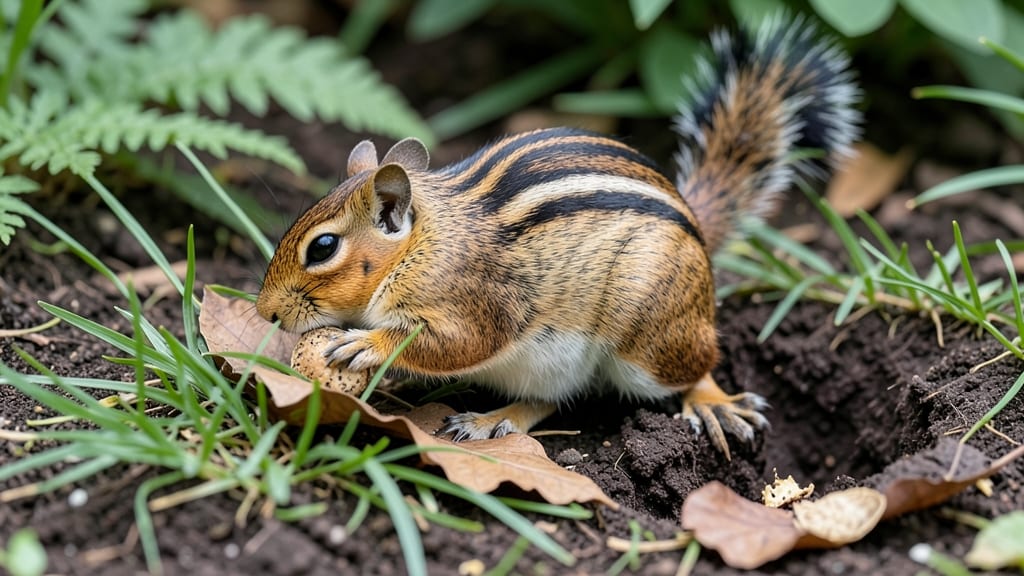
Chipmunk lawn damage turns lush green into a patchwork of tunnels and chewed grass overnight. 🌱 I’ve had these striped troublemakers shred my yard faster than a summer storm, but I’ve learned which deterrents actually work—and which just waste time.
The key is acting fast before they claim your entire lawn as their playground.
Most people grab traps or poisons first, but those often fail or make things worse. Instead, I focus on three fast strategies: humane live traps with peanut butter bait, motion-activated sprinklers that startle them away, and simple hardware cloth barriers around vulnerable areas.
These methods work within 24-48 hours if you set them up right.
By the end of the week, you’ll see fresh grass filling in where tunnels once were, and the chipmunks will have moved on to easier pickings. The best part? These solutions keep your yard safe for pets and wildlife while actually solving the problem—not just masking it.
Works for both small backyards and larger properties, and the same principles apply whether you’re dealing with a few stragglers or a full-blown invasion. Let’s get your lawn back to looking its best without harming the critters causing the chaos.
The Hidden Triggers Behind Lawn Chewing
Chipmunks may look like harmless, fuzzy forest dwellers, but when they invade your lawn, they can turn it into a tunneling playground—digging, nibbling, and even stripping bark from young plants. Understanding why they target your yard is the first step to stopping them.
These tiny rodents aren’t just randomly destructive; they’re driven by survival instincts, habitat needs, and seasonal behaviors. Let’s break down the science behind their lawn-raiding habits.
🌰 Food scarcity drives their feasting
Chipmunks are omnivorous foragers, and their diet shifts with the seasons. In late summer and fall, they go into a feeding frenzy to stockpile food for winter. Your lawn—especially one with:
- Mature grass seeds (like Kentucky bluegrass or fescue)
- Exposed bulbs (tulips, daffodils, and crocus are prime targets)
- Young plant shoots (hostas, daylilies, and even vegetable seedlings)
becomes an all-you-can-eat buffet. Why? Chipmunks have checkered teeth designed for gnawing, and their hibernation metabolism requires 2-3x their body weight in food stored before winter. If natural food sources (like acorns or nuts) are scarce, your lawn becomes their backup plan.
Actionable Insight: If you notice bare spots in your lawn or chewed-up mulch beds, it’s a sign they’re prepping for winter. Mulch volcanoes (piled mulch around tree bases) are especially tempting—they mimic natural leaf litter where chipmunks hide and forage.
🏡 Shelter shortages push them closer
Chipmunks prefer dense, undisturbed habitats with:
- ✅ Leaf litter (they burrow under it)
- ✅ Rocky crevices (natural or man-made, like garden borders)
- ✅ Thick ground cover (ivy, clover, or overgrown grass)
If your yard lacks these features, they’ll nest in your lawn instead, creating:
- Shallow tunnels (1–2 inches deep, often near sidewalks or driveways)
- Mound-like entrances (with chewed grass or dirt)
- Visible runways (trampled paths between food sources)
Science Note: Chipmunks are solitary but territorial. A single female may defend a 100-square-foot area, while males roam wider. If you’ve recently removed brush piles, rocks, or thick mulch, they’ll seek out softer turf as a substitute.
Actionable Insight: Check for entry points near foundations, sheds, or under decks. These rodents can squeeze through gaps as small as 1.5 inches—seal them with hardware cloth (not steel wool, which they’ll shred).
🌱 Seasonal behavior explains the timing
Chipmunk lawn damage isn’t random—it follows a predictable seasonal pattern:
| Season | Behavior | Lawn Impact |
|---|---|---|
| Spring (March–May) | Emerging from hibernation; eating to rebuild fat stores. | Chewing new shoots, digging near bulb beds. |
| Summer (June–August) | Breeding season; males roam widely to establish territories. | Surface tunneling, stripping bark from young trees. |
| Fall (September–November) | Hyper-foraging for winter food cache. | Massive seed and bulb destruction; visible runway paths. |
| Winter (December–February) | Hibernating; only active in mild spells. | Minimal damage, but burrows may collapse if disturbed. |
Pro Tip: If you see fresh damage in early spring, it’s likely from chipmunks waking from hibernation and scavenging. Fall is the worst—act now to disrupt their caching behavior before they bury food under your lawn.
🛡️ Human habits that attract them
Unintentional lawn design choices can invite chipmunks like a five-star hotel. Common culprits:
- Overwatered grass – Soft, damp soil is easier to dig.
- Thin or patchy turf – Exposed roots = easy snacks.
- Compost or leaf piles – Mimics their natural nesting material.
- Unsecured trash cans – Scraps like fruit peels or pet food lure them in.
- Pet food left outdoors – High-protein treats override their natural diet.
Science Connection: Chipmunks have a keen sense of smell (10,000x better than humans) and associate food with safety. If they find your yard easy to access and full of calories, they’ll return—even if deterrents are present.
Quick Fix: Remove attractants immediately. Store compost in metal bins with tight lids, water lawns deeply but infrequently (dry soil deters digging), and never leave pet food outside overnight.
Quick Fixes for Chipmunk Lawn Trouble
Chipmunks may be cute, but their digging, burrowing, and snacking habits can turn your lawn into a disaster zone. The good news? With the right approach, you can stop the damage fast—without harming these energetic little critters.
Below, we’ve mapped out practical solutions based on the most common causes of chipmunk lawn destruction, plus prevention tips to keep them from returning.
🏡 Burrowing and Tunnel Damage
Chipmunks dig extensive underground tunnels, leaving your lawn looking like a warzone. If you’ve got mounds of dirt, uneven patches, or dead grass from their burrowing, try these fixes:
🔥 Fill and Smooth the Holes
- Step 1: Remove any loose dirt or debris from the tunnels.
- Step 2: Pack fresh soil or a soil-and-sand mix into the holes to discourage re-digging.
- Step 3: Rake the area smooth and water lightly to help grass roots re-establish.
🛡️ Block New Digging Spots
- Install hardware cloth (¼-inch mesh) around garden beds or high-risk areas before planting.
- Lay down mulch or rocks—chipmunks dislike digging through these barriers.
🌱 Encourage Natural Deterrents
- Plant bulbs like daffodils or tulips—chipmunks avoid their strong scent.
- Use castor oil-based repellents (like Hot Pepper Wax) around entry points.
🍃 Chewed Grass and Plant Damage
If your lawn looks stripped, trampled, or chewed, chipmunks are likely snacking on grass, seeds, or young plants. Here’s how to protect your greenery:
🍳 Set Up Humane Traps (Fast & Effective)
- Live traps (like the Havahart Chipmunk Trap) work best when baited with peanut butter, sunflower seeds, or fruit.
- Release them 5+ miles away—check local laws first!
- Pro Tip: 💡 Place traps near damage sites (not just random spots) for better success.
👨🍳 Remove Food Sources
- Clean up fallen seeds, fruits, and nuts—these attract chipmunks.
- Store compost bins securely (use a locked lid).
- Avoid overwatering—wet grass is more appealing to them.
🌡️ Use Natural Repellents
- Spray vinegar or hot pepper solution around borders (reapply after rain).
- Try predator urine (coyote or fox)—the scent confuses chipmunks.
🌿 Garden Bed Destruction
Chipmunks don’t just dig—they steal seeds, bulbs, and even small plants. Here’s how to secure your garden:
🔪 Protect Plantings with Barriers
- Use chicken wire or hardware cloth around vulnerable plants (especially newly planted bulbs).
- Plant in raised beds—chipmunks are less likely to dig deep there.
🎯 Scatter Fake Food or Distractions
- Spread sunflower seeds in a corner of your yard—far from your garden—to lure them away.
- Place a small, shallow dish of water near their active areas—they’ll get distracted.
✨ Long-Term Prevention
- Plant chipmunk-resistant veggies like peppers, onions, or marigolds.
- Keep grass mowed short—taller grass hides their food sources, encouraging them to stay away.
🚫 What NOT to Do
- ❌ Avoid poison or glue traps—they’re cruel and illegal in many areas.
- ❌ Don’t relocate chipmunks too close—they’ll just return!
- ❌ Skip the gloves when handling traps—chipmunks can bite if stressed.
💡 Bonus: Year-Round Prevention Tips
- 🌡️ Seal entry points in sheds, decks, and garages (they love nesting there too).
- 🎯 Keep pet food indoors—chipmunks will investigate (and dig) if they smell food.
- 🌱 Rotate repellent methods—chipmunks get used to the same scents over time.
By combining immediate fixes with long-term prevention, you can restore your lawn and keep chipmunks from turning your yard into their personal buffet. Act fast, and you’ll see results in just a few days! 🚀
Frequently asked questions
How can I tell if chipmunks—not squirrels or moles—are damaging my lawn?
Look for 1-2 inch deep tunnels with dirt mounds near entrances, plus chewed grass blades (not just holes). Chipmunks leave surface runways between food sources, while squirrels create larger burrows. Moles make deeper tunnels with no surface damage. Check for tiny footprints (about 1 inch long) near the damage.
Are humane traps really effective, or will chipmunks just keep coming back?
Humane traps work fast if placed near fresh damage with peanut butter or sunflower seeds. Release them 5+ miles away in wooded areas—they won’t return if their territory is disrupted. For stubborn cases, combine traps with hardware cloth barriers around garden beds. Reapply repellents like castor oil every 2 weeks to reinforce the message.
What’s the fastest way to repair chipmunk tunnels without them digging again?
Fill tunnels with a soil-sand mix, tamp firmly, then cover with gravel or mulch to deter re-digging. For long-term fixes, install hardware cloth (¼-inch mesh) beneath the soil in high-risk areas. Water lightly to encourage grass regrowth—avoid overwatering, which attracts them.
Can I use predator urine or pepper spray to keep chipmunks away?
Yes! Spray coyote or fox urine around borders (reapply every 2 weeks) or mix 1 tablespoon cayenne pepper with 1 gallon water for a hot pepper spray. Test on a small area first—some plants may react. For best results, combine with physical barriers like mulch or rocks, which chipmunks avoid digging through.
Will mowing my lawn more often stop chipmunk damage?
No—short grass actually makes it easier for chipmunks to spot food (like seeds or insects). Instead, keep grass at 2-3 inches tall to hide their targets. Remove fallen seeds/nuts immediately, and avoid overwatering (wet soil invites digging). For stubborn cases, use castor oil-based repellents around borders.