
Plants
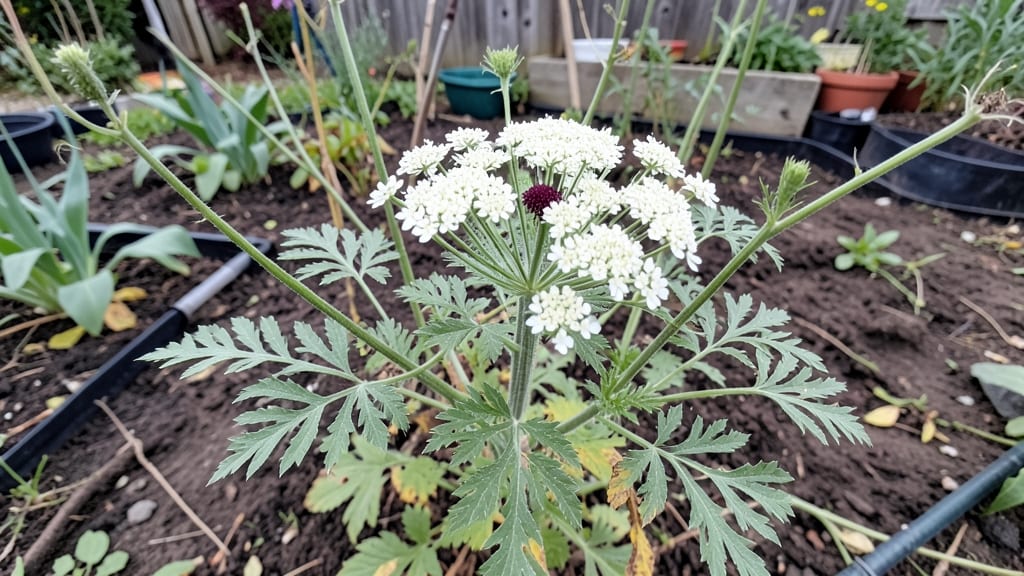
Dealing with carrot seed grass can turn your spring garden into a tangled mess if you don’t act fast 🥕.
Discovering patches of it sprouting between your rows means your carefully planted carrots are fighting for space—and losing. This grass spreads like wildfire, stealing nutrients and sunlight from your crops, which is why prevention is your best defense.
Whether you’re a first-time gardener or a seasoned pro, the key is stopping it before it takes over. From proper seed spacing to smart soil prep, I’ll show you how to keep your garden clean and your harvests thriving.
Here’s how to outsmart carrot seed grass before it ruins your spring planting season.

Why carrot seed grass spreads so fast (and how it harms your garden)
If you've ever spotted lush green grass popping up where you planted carrots, you're not alone. This isn't a misplaced lawn—it's carrot seed grass, a fast-spreading weed that hijacks your garden.
Its rapid growth isn't accidental; it's biology. Each carrot seed can produce 100+ seeds, and they germinate quickly when conditions are right.
The real villain here is Phalaris canariensis, also called canary grass. Unlike your carrots, this grass thrives on competition, stealing sunlight, water, and nutrients from your crops.
Its shallow roots spread aggressively, forming dense mats that smother young carrot seedlings before they even get a chance to grow.
This grass grows 3x faster than carrots, reaching 2-3 feet tall in just 6-8 weeks. By then, your carrots are struggling for survival, stunted and yellowing. The worst part? It doesn't just stop at carrots—it crowds out radishes, beets, and other root vegetables, making harvests nearly impossible.
🌱
Let's clear up a common mistake: carrot seed grass isn't the same as carrot plants. While both start from seeds, their growth habits and appearance differ drastically. The grass has long, slender leaves and forms dense clumps, whereas carrots grow tall, feathery foliage with edible roots below ground.
Here's the kicker: this grass doesn't just spread from carrot seeds—it can also self-seed year after year. One plant can produce thousands of seeds, which lie dormant in the soil for years, waiting for the perfect moment to sprout.
That's why even "clean" garden beds can suddenly turn into a grass jungle.
🌿
Now, let's talk about the real damage. When carrot seed grass takes over, it doesn't just compete—it dominates. Your carrots may still grow, but they'll be small, deformed, and bitter. The grass also attracts pests like aphids and slugs, which then move to your crops.
Over time, the soil becomes poor quality as the grass depletes nutrients faster than your vegetables can replenish them.
If left unchecked, this grass can even increase your water bill. Its shallow roots evaporate moisture quickly, forcing you to water twice as much to keep your garden alive. Worse, it can clog irrigation systems and block drip lines, reducing efficiency by up to 40%.
💧
The good news? Understanding its growth cycle is the first step to stopping it. Carrot seed grass thrives in well-drained soil with full sun exposure, just like carrots—but it doesn't need the same care.
While your carrots need consistent moisture, this grass tolerates drought conditions, making it even harder to outcompete.
🌡️
To make things clearer, here’s a side-by-side comparison so you can spot the difference between carrot seed grass and your actual carrot plants:
<comparison-table>| Feature | Carrot Seed Grass (Phalaris canariensis) | Actual Carrot Plant (Daucus carota) |
|---|---|---|
| Plant Type | Grass (Weed) | Vegetable (Root) |
| Leaf Shape | Long, slender, grass-like | Feathery, lacy, blue-green |
| Growth Height | 2-3 feet tall | 1-2 feet tall |
| Root System | Shallow, fibrous mat | Deep, edible taproot |
| Seed Production | 100+ seeds per plant | 50-100 seeds per umbel |
| Germination Speed | 7-14 days | 14-21 days |
| Competition Impact | Chokes out crops | None (desired plant) |
| Edible Parts | None (toxic to livestock) |