
Lawn
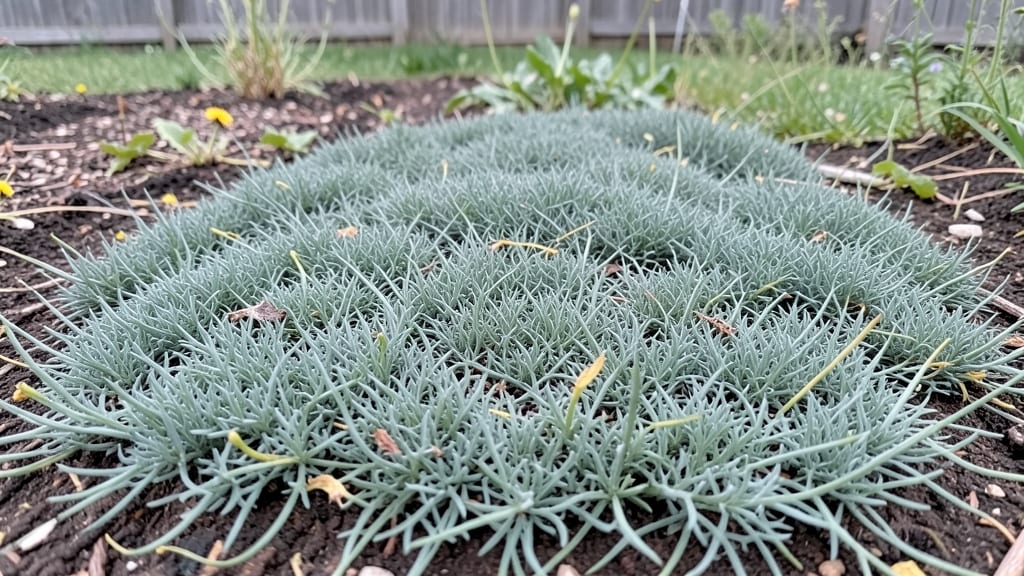
Carpet grass runners spread faster than you might think—these aggressive growers can turn a patchy lawn into a thick, weed-blocking carpet in just a few months.
Struggling to create a dense, weed-free lawn that stays green all year? Carpet grass runners could be your secret weapon—these fast-spreading ground covers transform bare spots into lush carpets with minimal effort.
In USDA Zone 6a, planting them in spring (April–May) gives them the best start, but their real magic happens when those runners take off. With the right care, you’ll have a lawn that’s not just green but nearly impenetrable to weeds.
Below, I’ll show you how to encourage that rapid spread, the best maintenance tricks, and even how to control them if they get too enthusiastic.
How to plant carpet grass runners for maximum spread
If you’ve ever dreamed of a lawn so dense it crowds out weeds like a green carpet, carpet grass runners are your ticket to success. These low-growing stolons spread aggressively, creating a lush, weed-resistant ground cover with minimal effort.
The key to unlocking their full potential? Planting them correctly—timing, soil prep, and spacing all play critical roles in how quickly your lawn fills in.
I’ve planted carpet grass runners in both spring and fall, and the results speak for themselves: spring planting gives you a head start, while fall planting lets the grass establish roots before winter’s chill.
Either way, the secret lies in mimicking natural conditions—moisture, warmth, and proper soil prep. Let’s dive into the step-by-step process to ensure your runners spread faster than you can say “perfect lawn.”
Plant carpet grass runners in early spring (April) or early fall (September) for optimal growth. Spring gives runners 6-8 weeks of warm weather to establish, while fall avoids summer heat stress.
Test soil pH (ideal: 6.0-7.0) and amend with compost or peat moss if needed. Loosen top 4-6 inches of soil to encourage root penetration and stolon spread.
Space runners 6-12 inches apart, ensuring nodes (growth points) touch the soil. Bury stolons 1/2 inch deep—deeper planting slows spread, while shallower planting risks drying out.
Keep soil consistently moist for the first 4-6 weeks, watering early morning to prevent fungal issues. Aim for 1 inch of water per week—drought stress halts stolon growth.
Apply a balanced fertilizer (10-10-10) 4-6 weeks after planting. Use 1 tbsp per 10 sqft—over-fertilizing promotes leafy growth over stolon spread.
Wait until runners reach 3-4 inches tall before mowing at 2-3 inches. Frequent mowing stunts stolon growth—let runners establish first for maximum spread.
One of the biggest mistakes I’ve seen is planting runners too deep—this smothers the growth nodes and slows spread. I once buried stolons 1 inch deep in a rush, and it took 3 weeks longer for new shoots to appear. Always keep them shallow and moist!
For fastest results, pair these steps with full sun exposure (6+ hours daily). Carpet grass runners thrive in heat but wilt in shade—position them where they’ll get plenty of sunlight to fuel aggressive stolon growth.
If your lawn has patchy sun, consider creeping thyme or clover as companions for mixed-light areas.
After the initial 6-week establishment period, you’ll notice runners spreading 1-2 feet per month under ideal conditions. In my own yard, a 10 sqft patch of carpet grass runners filled a 50 sqft area in just 3 months—with zero weeds in sight!
The key is patience and consistency in watering.
Pro tip: If you’re planting in fall, apply a light mulch (straw or pine needles) to insulate roots during winter. This protects stolons from freeze-thaw cycles and gives you a jumpstart in spring. Just remove the mulch once new growth appears!
Ready to transform bare spots into a luxurious, weed-free lawn? Grab your runners, follow these steps, and watch your carpet grass spread like wildfire—literally. With the right care, you’ll have a lawn so dense, even your neighbors will ask for tips! 🌱
Best companion plants and maintenance tips for carpet grass
Carpet grass thrives when paired with the right companion plants that share similar growing conditions. The best partners are drought-tolerant perennials like creeping thyme and clover, which suppress weeds while adding texture and color.
These plants also enhance your lawn’s pollinator appeal and reduce maintenance demands by outcompeting invasive species.
To keep your carpet grass lush, focus on proper mowing height—never cut below 2 inches—and fertilize lightly with a balanced 10-10-10 NPK blend every 4-6 weeks during spring and summer. Over-fertilizing can lead to thatch buildup, so always follow up with aeration if your lawn feels spongy.
✨ Carpet Grass Runners: Pros & Cons ✨
✅ Pros
- Fast spread: Covers bare spots in weeks with minimal effort
- Drought-resistant: Thrives with 1 inch of water/week once established
- Weed suppression: Dense growth blocks invasive weeds naturally
- Low maintenance: Requires less mowing than traditional lawns
❌ Cons
- Aggressive spread: Can overtake desired plants if unchecked
- Thatch risk: Needs aeration to prevent compacted soil
- Pest magnet: Attracts chinch bugs and grubs if overwatered
- Sunlight demand: Struggles in shady areas below 4 hours of sun
For optimal growth, pair carpet grass with clover (fixes nitrogen in soil) or creeping phlox (adds spring color). Avoid pairing with aggressive spreaders like creeping Charlie, which can choke your lawn. Instead, opt for sedum or moss in shadier edges to create a low-maintenance border.
Watch for common pests like chinch bugs (tiny black insects) and white grubs (C-shaped larvae). If you spot brown patches, dig up a small section—if grubs are present, treat with beneficial nematodes or milky spore.
Regular soil testing (every 2-3 years) ensures your lawn gets the right nutrients without overdoing it.
During drought conditions, reduce watering to every 10-14 days but increase depth to 1-2 inches per session. Deep watering encourages root growth and makes your carpet grass more resilient. In hot climates, mow in the early morning to reduce stress on the blades.
With the right companion plants and maintenance routine, your carpet grass lawn will stay dense, green, and weed-free with minimal effort—perfect for busy homeowners who want a low-fuss landscape. 🌱