
Plants
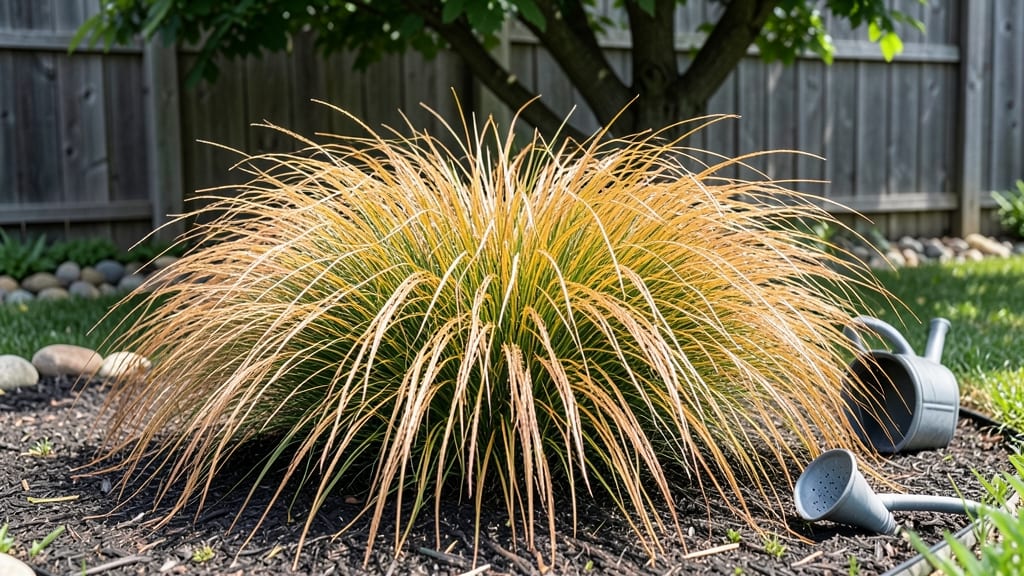
Braid ornamental grass 🌿 is the secret weapon for adding dynamic texture to any garden—its flowing strands create movement that no other plant can match.
Picture this: a low-maintenance plant that thrives in full sun, delivers year-round interest, and looks stunning whether planted solo or layered with perennials. No more boring green hedges—just effortless elegance that shifts with the breeze.
What makes these grasses so special? Their versatility—they work as border accents, focal points, or even container stars. Plus, with varieties ranging from 1 to 3 feet tall, you can tailor them to fit any space, from city balconies to sprawling backyards.
Ready to transform your outdoor space? I’ll walk you through the best varieties, planting tricks, and creative ways to weave them into your design—so you can enjoy their beauty with almost no upkeep.
5 Best braid ornamental grass varieties for year-round texture
If you're dreaming of a garden that dances with texture and color, braid ornamental grasses are your secret weapon. These grasses create stunning year-round interest with their flowing forms and vibrant hues.
Whether you want bold vertical accents or delicate ground covers, these top 5 varieties deliver effortless elegance. Let's explore their unique traits to help you choose the perfect fit for your landscape.
Braid ornamental grasses thrive in various climates and conditions, making them ideal for both beginner gardeners and seasoned pros. Their low-maintenance nature and drought tolerance once established mean you'll spend more time admiring them than fussing over them.
From sun-loving powerhouses to shady adaptable beauties, each variety brings something special to your garden tapestry.
Panicum virgatum 'Northwind' is my go-to for bold winter interest. This cold-hardy grass reaches 3-4 feet tall with striking blue-green foliage that turns copper in fall. Its upright growth habit makes it perfect for back-of-border plantings or as a solitary specimen. I love how it holds its structure beautifully through snow and ice, providing year-round drama.
For something truly unique and eye-catching, Miscanthus sinensis 'Zebrinus' delivers with its strik
How to plant and maintain braid ornamental grass for maximum impact
Braid ornamental grass brings an artistic flair to any garden with its flowing, textured plumes. Unlike traditional grasses, these varieties are often braided or woven into decorative arrangements, creating stunning visual interest.
Whether you're planting them in containers or directly in your landscape, following these steps ensures they thrive year-round with minimal effort.
One of the biggest mistakes gardeners make is neglecting soil preparation and proper spacing. Braid grasses need well-draining soil to prevent root rot, and their unique growth patterns require enough room to spread naturally. Let’s break down the process into simple, actionable steps so your grasses grow lush and dramatic.
Once planted, braid ornamental grasses are surprisingly low-maintenance. I recommend fertilizing lightly in early spring with a balanced 10-10-10 fertilizer to encourage healthy growth. Avoid over-fertilizing, as it can lead to weak stems and reduce the grass’s natural elegance.
Pruning is key to maintaining their shape and encouraging new growth. Cut back dead or brown foliage in late winter or early spring before new shoots emerge. For varieties like Panicum virgatum, you can also trim them to half their height in early spring to promote bushier growth.
In colder climates, add a thick layer of mulch around the base to protect roots during winter.
With the right care, your braid ornamental grass will become a year-round focal point, swaying gracefully in the breeze and adding texture to your garden. Whether used in containers, borders, or as standalone specimens, these grasses deliver effortless beauty with minimal upkeep.