
Lawn
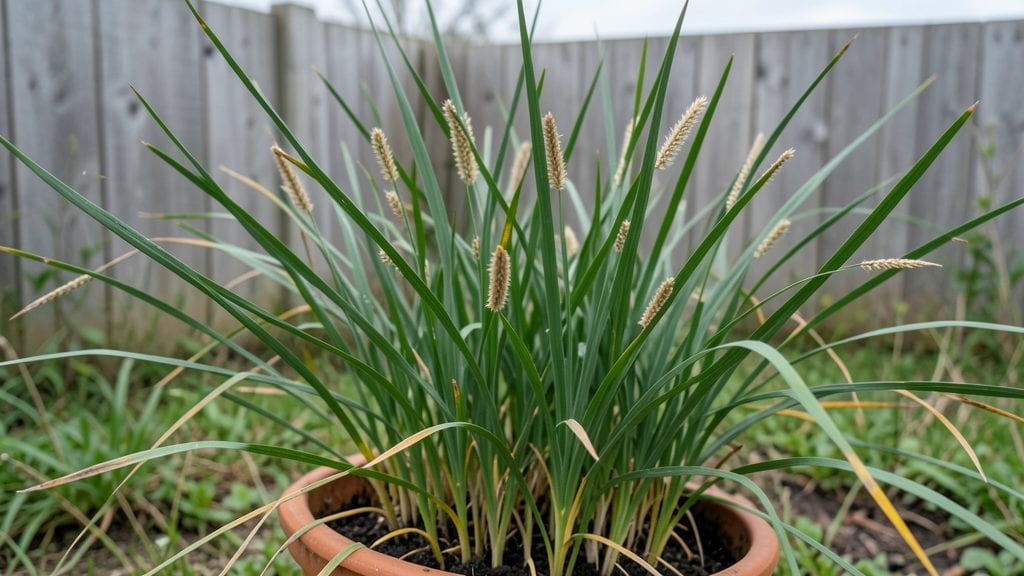
The most expensive grass varieties transform landscapes with their striking textures and colors, with Dodo Grass (Zoysia japonica 'Dodo') leading at $100+ per square foot, while Japanese Forest Grass (Hakonechloa macra) can reach $50+ per plant and Blue Fescue (Festuca glauca) typically sells for $25–$50 per plant. Their premium pricing reflects their ornamental value and limited availability in specialty nurseries.
These high-end grasses aren't just about looks—they're prized for their drought resistance and ability to thrive in challenging conditions. 💫 For instance, Dodo Grass stays green in heatwaves while many common lawns brown out, making it a favorite for arid climates.
Japanese Forest Grass adds movement with its cascading habit, while Blue Fescue's silvery-blue hue brightens shady corners. The catch? Most require careful propagation, which drives up costs—unlike fast-growing Kentucky Bluegrass that costs pennies per pound.
If you're dreaming of these showstoppers but watching your budget, consider starting with smaller quantities or exploring cost-effective alternatives like Little Bluestem (a native grass with similar drought tolerance). Many specialty nurseries offer seasonal discounts on dormant plants, so timing your purchase can save hundreds.
Just be prepared to wait—these grasses don't grow overnight, and patience is part of the luxury!
💡 In This Article
- Why Rare Ornamental Grasses Command Premium Prices
- Best Luxury Grasses for High-End Landscaping
Why rare ornamental grasses command premium prices
The sky-high prices of these grasses stem from their botanical uniqueness and cultivation challenges. Unlike common lawn grasses that spread aggressively through runners or seeds, premium varieties like Dodo Grass grow at a glacial pace—expanding only 6-12 inches per year in ideal conditions.
This slow growth means producers can't mass-propagate them quickly, creating natural scarcity. 🌱 The silvery-blue foliage of Blue Fescue, for example, comes from its dense, compact growth habit that requires precise nursery techniques to maintain its signature color intensity.
Propagation difficulties play a major role in pricing. Most high-end grasses reproduce through crown division or tissue culture—labor-intensive methods that yield only a few plants per cycle.
Japanese Forest Grass, with its delicate 12-inch cascading habit, requires sterile lab conditions to prevent fungal contamination, adding $15-$25 per plant in production costs alone. Compare this to Kentucky Bluegrass, which spreads via seed at 1 pound for $10 and covers acres in months.
The textures these grasses create justify their prices in landscape design. Dodo Grass develops a velvety, almost moss-like appearance when mature, while Blue Fescue's steel-blue hue provides year-round color contrast that no chemical dye can match.
These visual assets make them staples in Zen gardens, modern minimalist landscapes, and high-end hotel courtyards where maintenance crews charge $75-$150 per hour to keep them pristine. The grasses' drought tolerance also saves water bills—critical in regions where irrigation costs $0.005-$0.01 per gallon.
Climate adaptability further drives demand. While common grasses struggle in extreme heat or cold, premium varieties thrive in diverse conditions: Blue Fescue handles -30°F winters, Dodo Grass endures 100°F+ summers without browning, and Japanese Forest Grass tolerates 50% less water than turfgrass.
These traits make them 3-5 times more cost-effective over 5 years compared to traditional lawns, despite their upfront premium.
Consider the sensory experience these grasses deliver. Running fingers through Dodo Grass reveals fine, needle-like blades that feel almost like silk, while Blue Fescue emits a faint citrusy aroma when crushed—qualities no synthetic turf can replicate.
The sound of Japanese Forest Grass swaying in breezes creates a natural white noise effect valued at $2,000-$5,000 in soundscaping projects. These intangible benefits explain why landscape architects include them in projects where clients pay $10,000-$50,000 for curated outdoor spaces.
The market reflects this value: specialty nurseries like White Flower Farm and Plant Delights Nursery sell these grasses at premiums because they're 90% harder to grow than commercial varieties. Even seed sales are limited—Blue Fescue seeds cost $25 for 100 seeds versus $1 for 10,000 Kentucky Bluegrass seeds.
For homeowners, this means investing in established plants rather than seeds, with each 3-gallon pot representing 2-3 years of growth in a single purchase. 💫