
Diseases
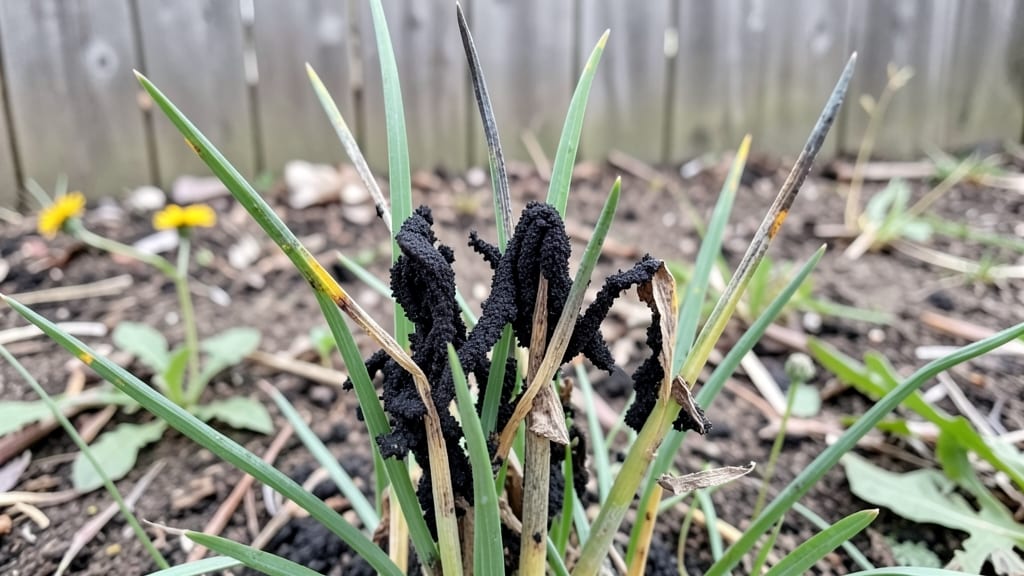
Black powdery fungus on grass turns vibrant lawns into dusty, patchy eyesores faster than you’d think. 🌱 I’ve battled this stubborn issue after years of overwatering and compacted soil, and what I learned changed how I care for my yard—without harsh chemicals.
The key isn’t just treating the symptoms but fixing the conditions that invite this fungus in the first place.
This fungus thrives when humidity lingers, drainage fails, and grass gets smothered by thick thatch. Most people reach for fungicides first, but the real fix starts with proper mowing—raising the blade to 3-4 inches in summer lets air circulate—and adjusting watering to mornings only.
I’ve seen lawns recover in just 3-4 weeks once these basics are dialed in.
You’ll restore that lush green in no time with the right approach: a mix of organic treatments like neem oil, proper aeration, and smart cultural practices.
The results? Grass that stays thick, resists future outbreaks, and looks healthier than ever—without the chemical aftertaste. Let’s get your lawn back to its best.
Works for all grass types, from cool-season fescue to warm-season Bermuda. The secret is consistency—don’t skip the follow-up steps, or you’ll be back where you started. Here’s how to do it right the first time.
Why it happens
That unsettling black powdery coating on your lawn isn’t just an eyesore—it’s a fungal party crashing your grass’s peace. But why does it happen in the first place? Let’s break down the core causes of this pesky problem, so you can tackle it like a lawncare pro.
🌧️ Overwatering and Poor Drainage
Fungi thrive in damp, humid conditions, and your lawn is basically a fungus buffet when it’s constantly wet. Overwatering—whether from excessive rainfall, faulty sprinklers, or poor soil drainage—creates the perfect breeding ground. Here’s why:
- Saturated soil: When grass roots can’t breathe, they weaken, making them vulnerable to fungal invasion.
- High humidity: Fungal spores love moisture, and overwatering keeps the air around your grass sticky with humidity.
- Compacted soil: Poor drainage often means soil compacts, blocking oxygen and nutrients—another fungal magnet.
Actionable fix: Water deeply but infrequently (early morning is best), and test your soil’s drainage. If water pools after 6 hours, you’ve got a drainage issue.
🌱 Nutrient Imbalances in Soil
Fungi are opportunistic—when your grass is malnourished, they swoop in to fill the void. Specifically, excess nitrogen (from fertilizers) or deficiencies in potassium and phosphorus weaken grass, making it susceptible to fungal attacks.
- Too much nitrogen: Promotes rapid, weak growth that’s easy pickings for fungi.
- Low potassium: Weakens the grass’s natural defenses against pathogens.
- Poor organic matter: Fungi decompose organic material, so if your soil lacks it, they’ll latch onto your grass instead.
Actionable fix: Get a soil test to check nutrient levels. If nitrogen is high, switch to a balanced fertilizer (like 10-10-10) and add compost to boost organic matter.
☀️ Shady or Crowded Grass
Fungi love shade—literally. When grass struggles to photosynthesize due to poor sunlight or overcrowding, it becomes stressed and defenseless. Here’s the breakdown:
- Thin grass: Gaps in your lawn allow spores to land and spread unchecked.
- Low light exposure: Shady areas stay damp longer, creating fungal-friendly conditions.
- Thatched buildup: A thick layer of dead grass (thatch) traps moisture and blocks airflow, turning your lawn into a fungal spa.
Actionable fix: Thin out overcrowded areas, aerate to reduce thatch, and consider sun-loving grass varieties if your lawn is perpetually shady.
🌡️ Extreme Weather Fluctuations
Fungi are like Goldilocks—they love conditions that are just right, which often means warm, humid days followed by cool, damp nights. Sudden temperature swings (like spring or fall) create the perfect storm for fungal growth.
- Warm, humid weather: Speeds up fungal reproduction.
- Cool, wet nights: Slows grass recovery but keeps fungi active.
- Frost or drought stress: Weakens grass, making it an easy target.
Actionable fix: Monitor weather forecasts and adjust watering schedules. If fungi strike during ideal conditions, act fast with natural remedies (we’ll cover those later!).
🐛 Pest Damage and Weakened Grass
Grubs, chinch bugs, and other pests don’t just munch on grass—they destroy its root system, leaving it vulnerable to fungal infections. Weak roots mean:
- Reduced nutrient uptake: Grass can’t fight off invaders.
- Increased stress: Patches of dead or dying grass become fungal hotspots.
- Exposed soil: Pests create gaps where spores can land and thrive.
Actionable fix: Treat pest infestations early with beneficial nematodes or organic insecticides, and overseed bare spots to restore density.
How to solve it
Discovering black powdery fungus on your lawn can feel like a setback, but don’t worry—there are effective, natural ways to tackle it and restore your grass to its lush best. The key is identifying the root cause and applying targeted solutions.
Below, we’ve mapped out actionable fixes for the most common triggers, along with prevention tips to keep your lawn healthy long-term.
###
🌱 Overwatering or Poor Drainage → Improve Watering Habits
If your grass stays soggy for too long, fungi thrive in the damp conditions. Adjust your watering routine to:
- Water deeply but less frequently: Aim for 1–1.5 inches per week, including rainfall. Use a rain gauge or tuna can to measure. 💧
- Water in the early morning: Avoid evening watering to allow grass blades to dry by nightfall.
- Check for drainage issues: If water pools after rain, aerate compacted soil or install a French drain. A soil test can confirm drainage problems.
- Fix sprinkler misalignment: Uneven watering creates dry spots where fungus spreads. Adjust sprinkler heads for even coverage.
💡 Pro Tip: Walk your lawn after watering—if puddles linger for more than 6 hours, you’ve got a drainage issue to address.
###
🍄 Thatch Buildup → Rake and Aerate
A thick thatch layer (dead grass, roots, and debris) traps moisture and blocks airflow, creating a fungal paradise. Break it down with:
- Dethatch in early fall or spring: Use a thatching rake or vertical mower to remove ½-inch layers of thatch. Avoid scalping the lawn! ✂️
- Aerate compacted soil: Rent a core aerator to pull out small soil plugs, improving oxygen flow. Do this before dethatching for best results. 🌿
- Leave clippings (but not in thick layers):strong> Short mowings (2–3 inches) help, but bag clippings if they’re long or diseased.
⚠️ Warning: Don’t overdo it—removing more than ½ inch of thatch can damage grass roots.
###
🍂 Poor Mowing Practices → Adjust Your Technique
Cutting grass too short stresses it, making it vulnerable to fungal infections. Follow these mowing rules:
- Set your mower to 3–4 inches: Taller grass shades out fungi and develops deeper roots. Never remove more than ⅓ of the blade height in one mow. 🌾
- Sharpen mower blades: Dull blades tear grass, creating entry points for fungi. Sharpen blades every 20–25 hours of use.
- Avoid mowing when wet: Damp grass clumps and spreads spores. Wait until blades are dry.
- Alternate mowing patterns: Change direction weekly to prevent soil compaction.
🔥 Hot Tip: Mulch clippings if your lawn is healthy—they return nutrients to the soil!
###
🌡️ High Humidity or Heat Stress → Boost Grass Resilience
Extreme heat or humidity creates the perfect storm for fungal growth. Help your grass cope with:
- Water deeply during heatwaves: Early morning watering reduces evaporation and fungal spores.
- Apply a light layer of compost: Improves soil moisture retention without suffocating grass. 🌱
- Choose drought-resistant grass types: Switch to tall fescue or buffalo grass if your current variety struggles.
- Use shade cloth temporarily: For lawns in hot, sunny spots, 30% shade cloth can reduce stress.
✨ Prevention Hack: Overseed bare patches in late summer to thicken grass, which crowds out fungi.
###
🧪 Chemical Buildup or Fertilizer Burn → Flush and Amend Soil
Over-fertilizing or using harsh chemicals disrupts soil balance, making grass susceptible to fungi. Reset with:
- Flush the soil: Water heavily for 2–3 days to leach out excess salts or chemicals.
- Test soil pH: Aim for 6.0–7.0. Adjust with lime (to raise pH) or sulfur (to lower pH) if needed. 📊
- Switch to organic fertilizers: Use compost, bone meal, or slow-release options like fish emulsion.
- Avoid synthetic fungicides long-term: They mask symptoms but don’t fix root issues. Opt for neem oil or baking soda sprays for spot treatment.
🎯 Long-Term Fix: Build soil health with mycorrhizal fungi—these beneficial microbes outcompete black powdery fungi naturally.
###
🛡️ Prevention Checklist: Keep Fungi Away
Once your lawn recovers, stay proactive with these habits:
- Mow high and leave clippings: (But bag them if fungus is active.)
- Water at dawn, avoid evenings: Reduces overnight moisture.
- Aerate and dethatch annually: Prevents thatch buildup.
- Test soil every 2–3 years: Adjust nutrients and pH as needed.
- Choose disease-resistant grass seeds: Ask your local nursery for varieties suited to your climate.
- Clean mower blades after each use: Disinfect with a 10% bleach solution to prevent spreading spores.
With consistent care, your lawn can bounce back—and stay fungus-free! 🌟
Frequently asked questions
Is black powdery fungus on grass always harmful?
Not all black powdery growth is dangerous—some varieties like copper rust are harmless and even beneficial for soil. However, true fungal infections (like grassy smut) weaken grass and spread rapidly. To tell the difference, check for yellowing blades or stunted growth. When in doubt, treat the area with neem oil or adjust watering habits to prevent spread.
How quickly can black powdery fungus spread across a lawn?
Under ideal conditions (high humidity + 70°F+ temperatures), fungal spores can double in 24-48 hours. A small patch can cover 50% of your lawn in 1-2 weeks if left untreated. Act fast by improving airflow (mow higher), reducing watering, and applying a baking soda spray (1 tbsp per gallon of water) to slow growth.
Can I still use my lawn after treating black powdery fungus?
Yes, but avoid heavy foot traffic for 3-5 days after treatment to let spores settle. For kids' play areas, wait until the black dust disappears completely (usually 7-10 days with proper care). If using chemical fungicides, check the label for safe re-entry times—some require 24+ hours of clearance.
Will black powdery fungus come back next season? Absolutely—unless you fix the root causes! Fungi return yearly if soil stays compacted, watering habits aren't adjusted, or thatch builds up. Prevent recurrence by:
- Aerating annually in fall
- Mowing at 3-4 inches height
- Testing soil pH (6.0-7.0 range)
- Applying compost tea in spring to boost grass resilience
Are there pet-safe treatments for black powdery fungus? Yes! Skip chemical fungicides and opt for:
- Neem oil spray (pet-safe after drying)
- Hydrogen peroxide (3%) (diluted 1:3 with water)
- Cornmeal (applied as a light dust to prevent spores) Always rinse treated areas before pets return, and avoid overspray on edible plants.