
Diseases
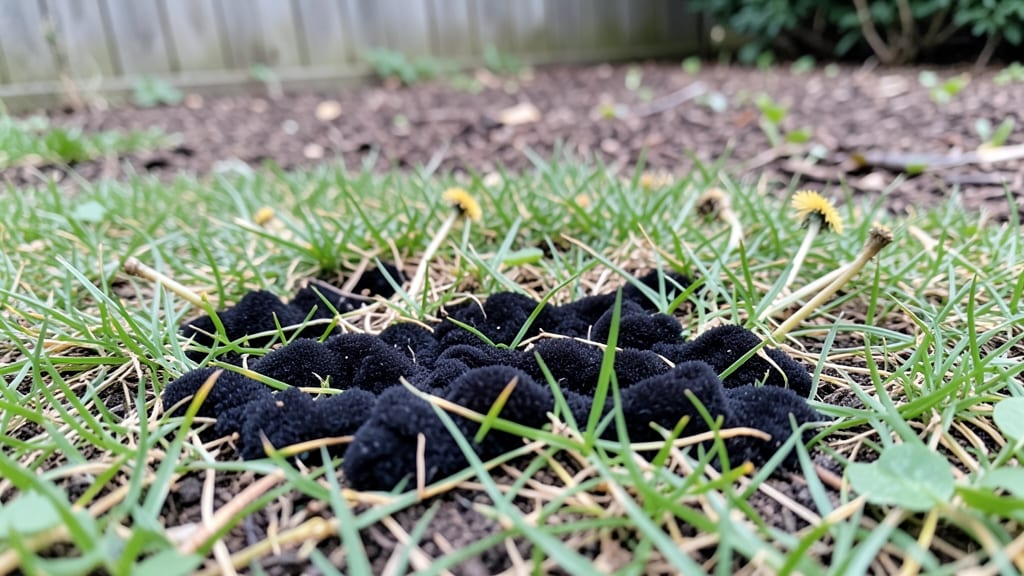
That unsightly black mold on the grass is creeping across your lawn like a dark shadow. I’ve battled this exact problem after last summer’s downpours left my grass looking more like a science experiment than a yard.
The good news? You don’t need harsh chemicals to turn things around—just a few targeted moves that work within a day.
The culprit is usually overwatering or poor drainage, which turns your lawn into a fungus buffet. I’ve seen circular patches of dark, velvety mold spread fast when grass stays soggy for too long.
The fix starts with cutting back on watering—let the top inch dry out between sessions—and raking up the worst patches to expose fresh soil underneath.
Within 24 hours, you’ll notice the edges of the mold retreating if the air gets moving (a fan or breezy afternoon helps). For stubborn spots, a mix of baking soda and water (1 tablespoon per gallon) sprayed lightly can stop the spread without killing your grass.
The key is acting fast—before the mold claims another square foot.
Once the mold’s gone, keep it from coming back by mowing high (3–4 inches) to shade the soil and aerating compacted areas. I’ve kept my lawn mold-free for years using these simple tweaks—no fungicides, no guesswork. Let’s get that green back to normal.
Why it happens
Black mold on grass isn’t just an eyesore—it’s a sign your lawn is under stress. Before you grab a fungicide, it’s crucial to know why this stubborn fungus thrives. The culprits are often a mix of environmental factors, poor lawn care habits, and even hidden issues lurking beneath the surface.
Let’s break down the science behind the problem so you can tackle it at the source.
🌧️ Excessive Moisture & Poor Drainage
Black mold—scientifically known as Stemphylium or Alternaria—loves damp conditions. When grass stays wet for prolonged periods, spores germinate and spread rapidly. Here’s why moisture is the #1 enemy:
- Overnight dew or rain: Grass blades retain moisture for 12+ hours, creating a perfect breeding ground. Pro tip: 🌡️ Aim for less than 6 hours of leaf wetness to starve the fungus.
- Compacted soil: Poor drainage forces water to pool at the roots, suffocating grass and inviting mold. Test your soil’s compaction by pressing a screwdriver into the ground—if it resists past 1 inch, drainage is likely the issue.
- Irrigation mistakes: Watering at dusk or dawn (when humidity is high) or using sprinklers that create a mist (instead of deep watering) worsens the problem. Fix: Water early morning and adjust sprinklers for 1–1.5 inches per week.
🌱 Weakened Grass From Over-Fertilizing
Too much nitrogen or synthetic fertilizers may seem like a shortcut to a lush lawn, but they weaken grass by:
- Stunting root growth: Shallow roots can’t absorb water efficiently, leading to soggy spots where mold thrives.
- Altering pH balance: Fertilizers can make soil too acidic (pH < 6.0) or alkaline (pH > 7.5), stressing grass and making it vulnerable to pathogens.
- Encouraging thatch buildup: A thick thatch layer (over ½ inch) traps moisture and blocks airflow, creating a mold paradise.
Solution: Switch to slow-release organic fertilizers (like compost or alfalfa meal) and test your soil’s pH—aim for 6.0–7.0 for optimal grass health.
☀️ Lack Of Sunlight & Shady Spots
Black mold often appears in shady or densely wooded areas because:
- Reduced evaporation: Sunlight helps dry grass quickly; shade slows this process, leaving blades damp longer.
- Grass type mismatch: Cool-season grasses (like fescue) thrive in shade but are more prone to fungal issues. Warm-season grasses (like Bermuda) struggle in low light.
- Humidity buildup: Trees and structures trap moisture, creating a microclimate perfect for mold spores.
Actionable fix: 🌿 If possible, thin out overhanging branches to improve airflow. For stubborn shade spots, consider shade-tolerant grass seeds (like creeping red fescue) or ground covers.
🪰 Thatch & Debris Buildup
A thatch layer (dead grass, roots, and debris) that’s over ½ inch thick acts like a sponge, holding moisture and blocking sunlight. Here’s how it fuels mold:
- Trapped spores: Mold spores hitch a ride on thatch particles, spreading to healthy grass.
- Stagnant air: Thatch insulates the soil, keeping it cooler and wetter than the surrounding lawn.
- Nutrient starvation: Thick thatch prevents water and air from reaching roots, weakening grass defenses.
Pro tip: ✨ Use a thatchet or vertical mower to dethatch in early spring when grass is actively growing. Avoid scalping—remove only ¼ inch of thatch to avoid damaging roots.
🌡️ Extreme Temperature Swings
Black mold flourishes when temperatures hover between 60°F–80°F with high humidity—common in spring and fall. Sudden shifts (like cool nights + warm days) create the perfect storm:
- Condensation on blades: Warm air holds more moisture; when it cools overnight, dew forms, keeping grass wet.
- Stressed grass recovery: Grass struggling to adapt to temperature changes becomes immunocompromised, making it easier for mold to take hold.
Mitigation: 🎯 Monitor your local fungal risk forecast (check tools like the Cornell Plant Clinic) and avoid heavy watering during these transition periods.
How to solve it
Black mold on grass—often mistaken for dirt or algae—can turn your lawn into a soggy, unsightly mess if ignored. But the good news? You can tackle it without chemicals in just 24 hours with the right approach.
Below, we break down the most common causes and their practical, fungicide-free solutions, plus tips to keep your grass mold-free for good. 🌱💦
###
🌧️ Too Much Moisture? Dry It Out Fast
Overwatering or poor drainage creates the perfect damp breeding ground for black mold. If your grass feels squishy or has dark spots after rain, act quickly:
- 🔥 Step 1: Reduce Watering
Skip watering for at least 24 hours to let excess moisture evaporate. If your lawn is severely soggy, wait 48 hours.
- 🌬️ Step 2: Improve Airflow
Rake the affected area gently to break up the mold layer and expose dry soil underneath. Avoid scalping the grass—just loosen the top layer.
- ⏰ Step 3: Schedule Smart Watering
Water early in the morning (before 10 AM) to allow sunlight to dry the grass quickly. Use a soaker hose or sprinkler with adjustable settings to avoid oversaturating.
💡 Pro Tip: If your lawn has clay soil, mix in compost or sand to improve drainage. A ¼-inch layer spread over the area works wonders!
###
🌿 Thick, Shady Grass? Thin It Out
Dense, shaded grass traps moisture and blocks sunlight—ideal conditions for mold. If your lawn is thick or shaded by trees, follow these steps:
- 🔪 Step 1: Mow Higher
Set your mower to 3–4 inches to encourage deeper roots and better airflow. Taller grass shades out mold more effectively than short, stressed grass.
- 🌳 Step 2: Prune Overhanging Branches
Trim tree branches to let in at least 6 hours of direct sunlight per day. Even partial sunlight helps dry out the grass faster.
- 👨🍳 Step 3: Overseed Bare Spots
Fill thin areas with mold-resistant grass seed like tall fescue or Kentucky bluegrass. These varieties thrive in partial shade and outcompete mold.
✨ Bonus: Spread a thin layer of mulch (like straw) around tree bases to absorb excess moisture without suffocating grass roots.
###
🍄 Nutrient Imbalance? Feed the Right Way
Black mold thrives when grass lacks nitrogen or has too much thatch. If your lawn looks yellowish or spongy, it’s time to rebalance:
- 🥗 Step 1: Test Your Soil
Use a DIY soil test kit (available at garden centers) to check pH and nutrient levels. Ideal pH for most grasses is 6.0–7.0.
- 💪 Step 2: Apply Organic Fertilizer
Use a slow-release, nitrogen-rich fertilizer like composted manure or bone meal. Avoid synthetic fertilizers, which can worsen thatch buildup.
- 🌡️ Step 3: Dethatch Gently
If your lawn has a ½-inch-thick thatch layer, rent a manual thatching rake and remove it in small sections. Re-seed immediately to prevent bare spots.
🎯 Prevention Tip: Top-dress with compost tea every 3 months to boost beneficial microbes that naturally suppress mold.
###
🛡️ Last Resort: Natural Fungicides (If Needed)
For stubborn mold, try these non-toxic sprays as a final step before prevention kicks in:
| Solution | How to Use | Frequency |
|---|---|---|
| Neem Oil Spray | Mix 1 tbsp neem oil + 1 tsp mild soap + 1 quart water. Spray until damp (not soggy). | Every 7–10 days until mold disappears. |
| Baking Soda Solution | Dissolve 1 tbsp baking soda in 1 gallon water. Lightly mist affected areas. | Once weekly during wet spells. |
| Hydrogen Peroxide (3%) | Mix 1 part 3% H₂O₂ + 3 parts water. Spray directly on mold spots. | Every 3–4 days until cleared. |
⚠️ Warning: Test sprays on a small patch first—some grasses may react to baking soda or hydrogen peroxide.
Once your lawn is mold-free, consistent prevention is key. Stick to these habits to keep black mold at bay:
- 🌞 Water deeply but infrequently (1–1.5 inches per week).
- 🌱 Mow regularly (never remove more than ⅓ of the blade height).
- 🌿 Aerate compacted soil annually with a garden fork or aerator.
- 🍂 Rake up fallen leaves promptly—they trap moisture and fuel mold.
With these fixes, your grass should look lush and mold-free in under 24 hours—and stay that way with minimal effort! 🚀
Frequently asked questions
Is black mold on grass harmful to pets or humans?
Black mold on grass itself isn’t typically toxic to humans or pets, but some varieties (like Stemphylium) can cause allergic reactions in sensitive individuals. The real risk comes from inhaling spores—especially if mold spreads to soil or mulch. Keep pets off affected areas until the mold clears, and wear a mask when raking or aerating infected patches.
How can I tell if it’s black mold vs. dirt or algae?
Black mold appears as velvety, dark patches that spread in circular patterns, often with a fuzzy texture. Dirt looks granular, while algae creates greenish-black slimy streaks along grass blades. Rub a patch with your finger—mold leaves a powdery residue, while dirt just smears. Test with a damp paper towel: mold stains the towel black.
Will vinegar kill black mold on grass?
White vinegar (undiluted) can help, but it’s not the best solution. Spraying neat vinegar may kill some spores, but it can also lower soil pH and harm grass over time. Better options: Mix 1 part vinegar + 3 parts water for a gentler spray, or use baking soda solution (1 tbsp/gallon) instead. Always test a small area first.
Why does black mold keep coming back after treatment?
Mold returns when underlying conditions persist—like poor drainage, overwatering, or thick thatch. Check these first: Aerate compacted soil, mow higher (3–4 inches), and water early morning only. If mold reappears, it’s a sign your lawn still needs better airflow or nutrient balance. Consider overseeding with mold-resistant grass varieties.
Can I use lawn fungicides safely around kids and pets?
Most conventional fungicides contain chemicals like propiconazole or myclobutanil, which can be harmful if ingested or inhaled. For pet-friendly lawns, opt for organic fungicides (neem oil, baking soda) or preventive care (proper mowing, aeration). Always follow label instructions, and keep pets off treated areas for 24–48 hours.