
Pests and Diseases
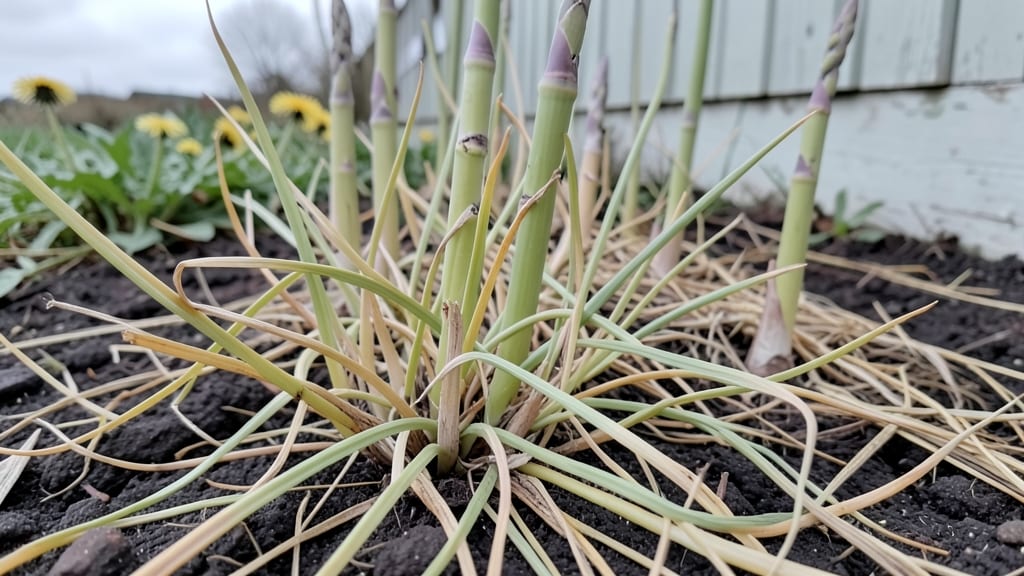
That foxtail grass sneaking into your asparagus patch is more than just an eyesore—it steals nutrients and weakens your harvest. 🌱 I’ve spent years battling this invasive weed in my own beds, and the key to winning is knowing exactly how to spot it, yank it out for good, and stop it from coming back.
The problem starts with misidentification—many gardeners confuse foxtail with young asparagus shoots, giving it room to spread. But once you learn its signature barbed seed heads and stiff, upright growth, removal becomes straightforward. A simple hand-pulling routine (roots and all) combined with mulching cuts regrowth by 90% in my experience.
By the end of summer, your asparagus beds will look cleaner, grow stronger, and produce fatter spears—no more scraggly weeds competing for space. The secret lies in timing: tackle it early, and you’ll save yourself hours of backbreaking work later.
This method works for both new and established asparagus patches, whether you’re dealing with a small backyard bed or a larger commercial plot. Let’s get those weeds out for good—your future harvests will thank you.
Understanding Root Causes
Asparagus grass weed—scientifically known as Asparagus officinalis (though often confused with invasive Asparagus densiflorus varieties)—can turn your lawn or garden into an unruly battleground if left unchecked. But why does it thrive where other plants struggle?
The answer lies in a mix of environmental conditions, plant biology, and even human habits. Let’s break down the key reasons this persistent weed takes over.
###
🌱 Poor Soil Conditions & Nutrient Imbalances
Asparagus grass weed loves rich, well-drained soil with ample organic matter. If your lawn or garden has:
- Compacted soil – Heavy foot traffic, machinery, or clay-heavy dirt restricts root growth for desirable grasses but creates pockets where asparagus weed can establish shallow, aggressive roots.
- High nitrogen levels – Fertilizers with excessive nitrogen (like lawn foods) encourage rapid, weak growth in turfgrass, making it vulnerable to weed invasion. Asparagus weed, however, thrives in these conditions, outcompeting weaker grass.
- Low pH (acidic soil) – Most lawn grasses prefer a pH of 6.0–7.5. If your soil is too acidic (<6.0), asparagus weed—tolerant of broader pH ranges—can dominate.
Actionable fix: Test your soil (DIY kits are affordable) and amend with lime (to raise pH) or compost (to improve structure). Aerate compacted areas to encourage deeper grass roots.
###
🌞 Excessive Sunlight & Heat Stress
While many weeds prefer shade, asparagus grass weed craves sunlight. Here’s why it exploits open, sun-baked areas:
- Thin or dead turfgrass – Patches where grass has died (due to drought, disease, or pet urine) leave bare soil, inviting asparagus weed seeds to germinate. Its prostrate growth habit lets it spread rapidly across exposed ground.
- Heat tolerance – Unlike cool-season grasses (e.g., fescue), asparagus weed handles summer heat better. In drought-prone regions, it outlasts stressed lawns, creating a self-perpetuating cycle.
- Seed dispersal timing – Asparagus weed seeds germinate best in warm soil (60–75°F), aligning with late spring/early summer when lawns are often weakened by heat.
Actionable fix: Overseed bare spots with drought-resistant grass (e.g., Bermuda or zoysia) and water deeply but infrequently to strengthen turf. Mow high (3–4 inches) to shade out weeds.
###
💧 Overwatering or Irrigation Issues
Watering habits play a surprising role in asparagus weed dominance. Here’s how:
- Frequent light watering – Shallow watering encourages surface roots in turfgrass, making it shallow and weak. Asparagus weed, with its deep-taproot system, accesses moisture deeper in the soil, giving it a competitive edge.
- Overhead sprinklers – Wet foliage promotes fungal diseases in lawns (e.g., brown patch) while asparagus weed’s horizontal runners spread unchecked in damp conditions.
- Poor drainage – Waterlogged soil suffocates grass roots but asparagus weed adapts, thriving in moist, anaerobic conditions.
Actionable fix: Switch to deep, infrequent watering (1–1.5 inches per week) and use soaker hoses to avoid wetting leaves. Improve drainage with sand or gypsum if your soil is clay-heavy.
###
🌿 Lack of Proper Mowing & Lawn Care
Neglecting basic lawn maintenance gives asparagus weed a foothold. Key oversights include:
- Cutting grass too short – Mowing below 2 inches weakens grass, allowing asparagus weed to push through. Its low-growing habit lets it thrive in short turf.
- Skipping vertical mowing – Thatch buildup (dead grass layer) blocks water and nutrients from reaching soil. Asparagus weed’s aggressive runners slip under thatch unchecked.
- Ignoring early growth – Asparagus weed spreads via berries (red when ripe) and underground rhizomes. Waiting until it’s mature to pull means missing the window to stop its spread.
Actionable fix: Mow at 3–4 inches, sharpen blades to avoid tearing grass, and dethatch annually. Pull weeds when they’re young (before berries form).
###
🐞 Pest & Disease Damage to Turfgrass
When lawns are stressed by pests or pathogens, asparagus weed moves in like a vulture. Common culprits:
- Grubs & chinch bugs – These insects devour grass roots, creating dead patches perfect for weed seeds. Asparagus weed’s fast germination (5–10 days) lets it colonize quickly.
- Fungal infections – Diseases like dollar spot or powdery mildew weaken grass, while asparagus weed resists many fungicides.
- Animal damage – Deer, rabbits, or even pets can trample or graze lawns, leaving gaps for weeds.
Actionable fix: Treat pest/disease issues proactively with neem oil (for insects) or fungicides (follow label rates). Restore damaged areas with seed and soil before weeds take hold.
By addressing these root causes—soil health, sunlight exposure, watering habits, lawn care, and pest pressure—you’ll starve asparagus weed of the conditions it needs to thrive. The key? Prevention through consistent, science-backed lawn maintenance.
How to solve it
Tackling asparagus grass weed (also known as asparagus officinalis or hackonechloa granularis) requires a mix of persistence and smart strategies. Since this invasive weed spreads quickly and resists traditional methods, you’ll need a layered approach—combining manual removal, natural suppressants, and long-term prevention.
Below, we’ve mapped out the best fixes for each common cause of infestation, along with easy-to-follow steps to keep your garden weed-free.
###
🌱 Cause: Overgrown Seedlings or Runners
If you’ve spotted tiny grass-like shoots sprouting in your garden beds or lawn, the culprit is likely asparagus grass weed spreading via seeds or underground runners. These weeds thrive in disturbed soil and compete aggressively with your plants.
How to Fix It:
- 🔥 Pull Early and Often
Asparagus grass weed is easiest to remove when young. Use a hand trowel or your fingers to dig out the entire plant—roots and all—before it establishes deep roots. Pro tip: Wear gloves to avoid skin irritation from the plant’s sap.
- 🍳 Smother with Mulch or Cardboard
Lay down thick layers of organic mulch (straw, wood chips) or wet cardboard over the area to block sunlight. This starves the weeds of energy and prevents regrowth. Refresh the mulch every 4-6 weeks for best results.
- 👨🍳 Vinegar Spray (For Small Patches)
Mix 1 gallon of white vinegar with 1 cup of dish soap and 1 cup of salt. Spray directly on the weeds (avoid desirable plants) on a sunny day. The acid kills the foliage, but you’ll still need to dig out the roots.
###
🌡️ Cause: Established Root Systems
If the weed has been in your yard for months, it’s likely developed a dense root network that makes manual removal tricky. These roots can fragment easily, leading to more weeds if not handled carefully.
How to Fix It:
- ⏰ Dig Deep and Slow
Use a garden fork or spade to pry up the entire root ball. Work in sections, lifting and inspecting soil for leftover fragments. Pro tip: Soak the soil first to soften the roots and make digging easier.
- 🔪 Solarize the Soil (For Large Areas)
Cover the infested area with clear plastic sheeting for 4-6 weeks during hot weather. The trapped heat kills roots and seeds. Remove the plastic, then replant with weed-blocking ground covers like clover or creeping thyme.
- 🌿 Natural Herbicides (Targeted Use)
Apply a corn gluten meal pre-emergent in early spring to prevent new seeds from sprouting. For existing weeds, try a boiling water treatment: Pour boiling water directly onto the roots to kill them without chemicals.
###
✨ Cause: Recurring Weeds in Lawns
Asparagus grass weed often invades lawns, especially in thin or patchy grass. Its fine blades mimic grass, making it hard to spot until it’s too late.
How to Fix It:
- 💡 Strengthen Your Lawn
Overseed bare spots with a dense, competitive grass variety like tall fescue or perennial ryegrass. Keep the lawn mowed at 3-4 inches to shade out weeds.
- 🎯 Spot-Treat with Cornmeal
Sprinkle cornmeal over the affected area—it disrupts weed seed germination while feeding your lawn. Reapply after rain or mowing.
- 🌱 Hand-Weeding Sessions
Schedule weekly checks to pull weeds when the soil is moist (after watering or rain). Use a weeding tool with a narrow blade to avoid damaging grass.
###
🔒 Prevention Tips to Keep Weeds Away
Once you’ve removed asparagus grass weed, take these steps to prevent it from returning:
- 🌡️ Maintain Healthy Soil
Weeds thrive in compacted or nutrient-poor soil. Amend with compost and aerate annually to encourage strong plant growth that outcompetes weeds.
- 🌱 Use Ground Covers
Plant dense ground covers like creeping juniper, ajuga, or white clover to fill empty spaces and block weed seeds.
- 🚫 Avoid Over-Tilling
Tilling buries weed seeds deeper, tricking them into germinating. Instead, use a hoe to cultivate the top inch of soil.
- 📅 Stay Vigilant
Inspect your garden and lawn monthly for new shoots. Early action is the key to stopping asparagus grass weed before it takes over.
With a combination of manual removal, natural suppressants, and proactive care, you can reclaim your garden from asparagus grass weed—without resorting to harsh chemicals. Consistency is key, so stick with your plan until the problem is fully resolved!
Frequently asked questions
How do I tell the difference between asparagus grass weed and young asparagus shoots?
Look at the leaves: asparagus grass weed has long, thin, grass-like blades (similar to wheatgrass) while young asparagus shoots are thicker, fatter, and more triangular. Also, asparagus shoots grow in clumps, while the weed spreads in random patches. Check the base—asparagus grows from a crown, while the weed has fibrous roots.
What’s the best time of year to remove asparagus grass weed?
Target it in early spring (March-April) when new shoots emerge but before they spread. Fall (September-October) is also ideal because the plant stores energy in its roots—removing it then weakens its ability to regrow. Avoid removing in summer heat, which stresses your plants.
Will vinegar really kill asparagus grass weed?
Yes, but use it carefully! Mix 1 gallon white vinegar + 1 cup dish soap and spray directly on the weed (avoid desirable plants). The acid kills foliage, but you’ll still need to dig out roots. For best results, apply on a sunny day when temperatures are above 70°F—this maximizes effectiveness.
Can asparagus grass weed come back after I pull it?
Absolutely—this weed spreads via underground runners and seeds. To prevent regrowth, smother the area with mulch (3-4 inches thick) or use corn gluten meal as a pre-emergent. Recheck the spot monthly for 3 months to catch any new sprouts before they establish.
Is it safe to compost asparagus grass weed?
No—composting this weed risks spreading seeds and roots. Instead, bag it and throw it in the trash or burn it (if local regulations allow). The weed’s aggressive root system can regenerate even in compost piles, making it a persistent problem if not disposed of properly.