
Planting
Tired of replacing annual grasses every season? These 10 hardy perennial grasses thrive in Zone 6 with minimal care, offering year-round texture, color, and wildlife benefits while requiring only occasional trimming and watering.
Little Bluestem for Drought-Tolerant Native Gardens
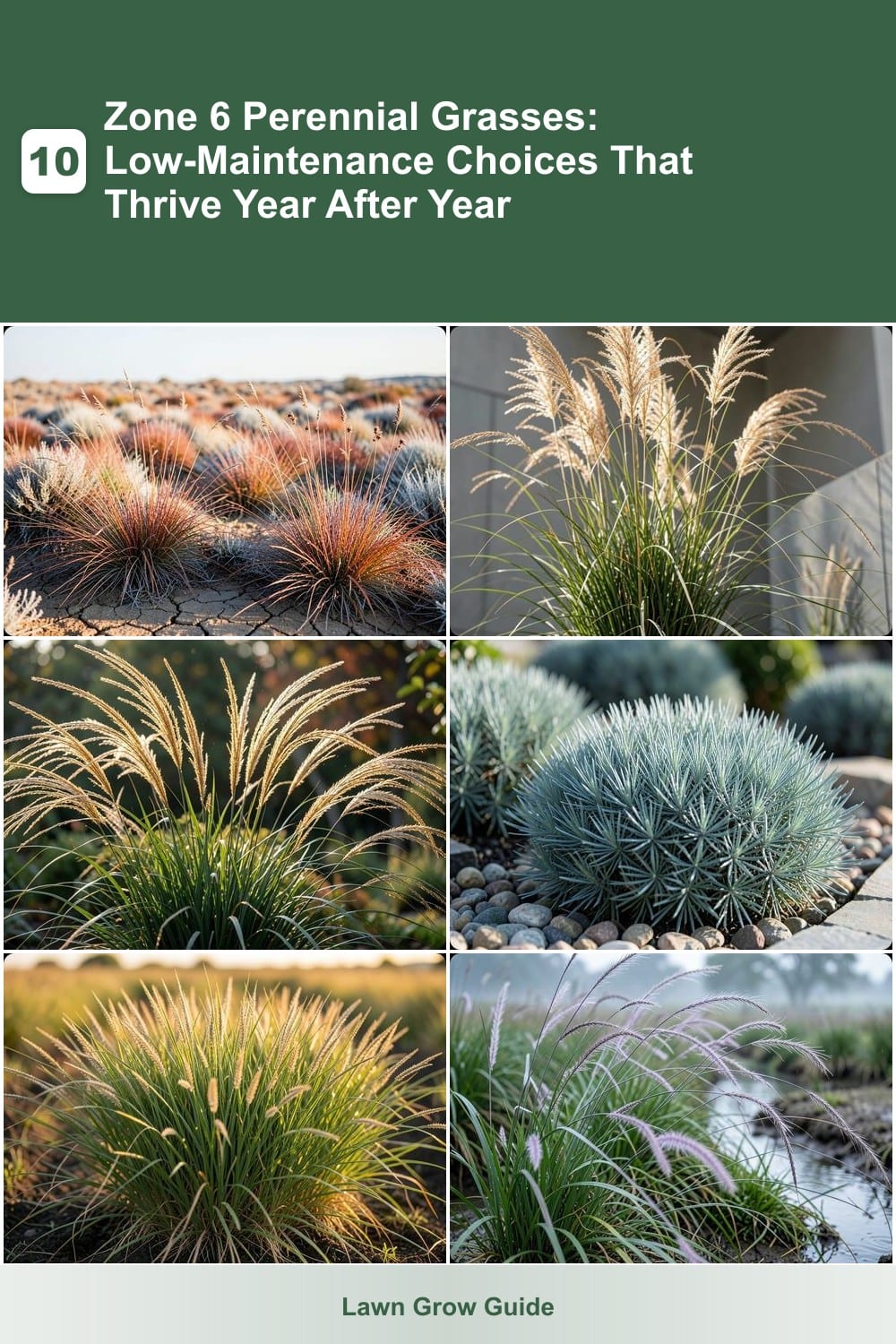
If you're looking for a drought-tolerant grass that thrives on neglect while adding seasonal drama, little bluestem (Schizachyrium scoparium) is your answer. This native perennial handles poor soils, extreme heat, and minimal watering—perfect for eco-conscious gardeners who want to reduce their water footprint without sacrificing beauty.
Little bluestem’s copper-red fall foliage steals the show, turning ordinary landscapes into autumn masterpieces. It also supports pollinators like bees and butterflies, making it a dual-purpose plant for wildlife-friendly gardens. Plant in full sun and water sparingly after establishment—it’s one of the toughest grasses for Zone 6 and beyond.
This low-maintenance grass is ideal for prairie-style plantings, meadows, or even urban gardens where water conservation is key. Once established, it requires no fertilizer and only occasional trimming in late winter. 🌟
Feather Reed Grass for Vertical Garden Drama
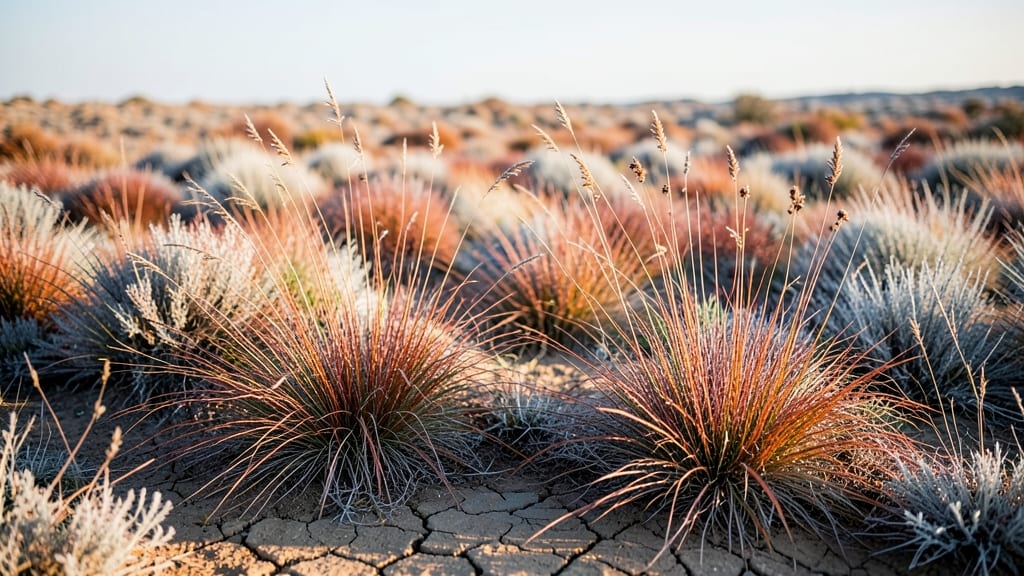
When your garden needs a dramatic vertical statement, Feather Reed Grass (Calamagrostis acutiflora) delivers effortless height and winter charm without the fuss. This 6-8 foot tall stunner thrives in modern landscapes where space is at a premium, offering feathery plumes that sway through seasons—even when everything else is dormant.
Plant it in full sun to partial shade with well-drained soil, and watch it establish quickly. The key to maintaining its sleek look? Cut back old growth in late winter or early spring before new shoots emerge. Its upright habit makes it ideal for screening unsightly areas or anchoring minimalist designs with its architectural presence.
Perfect for urban gardeners or those with contemporary tastes, this grass adds year-round structure with almost no maintenance—just a single seasonal trim. 🌟
Maiden Grass for Graceful Movement and Pollinator Support
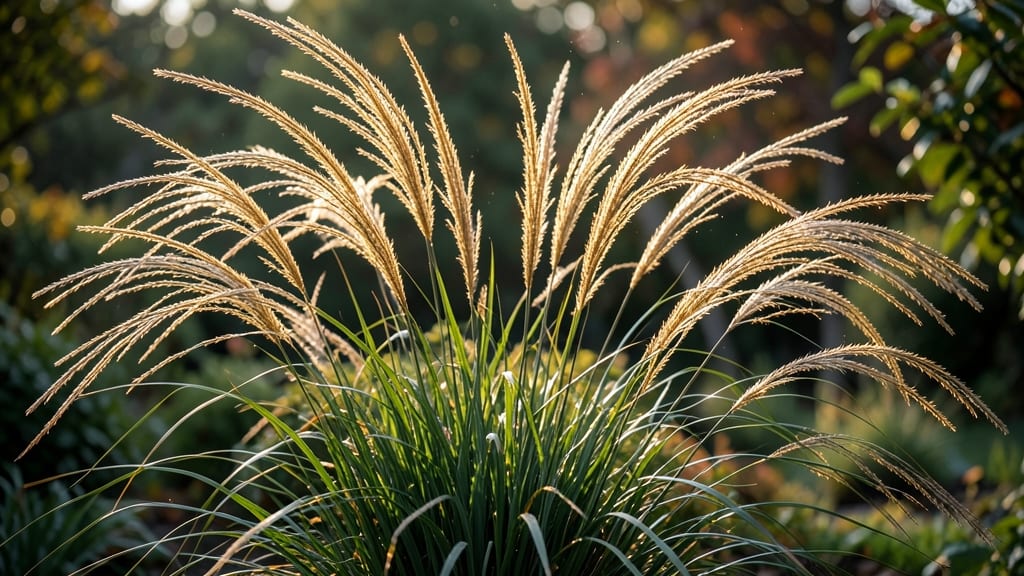
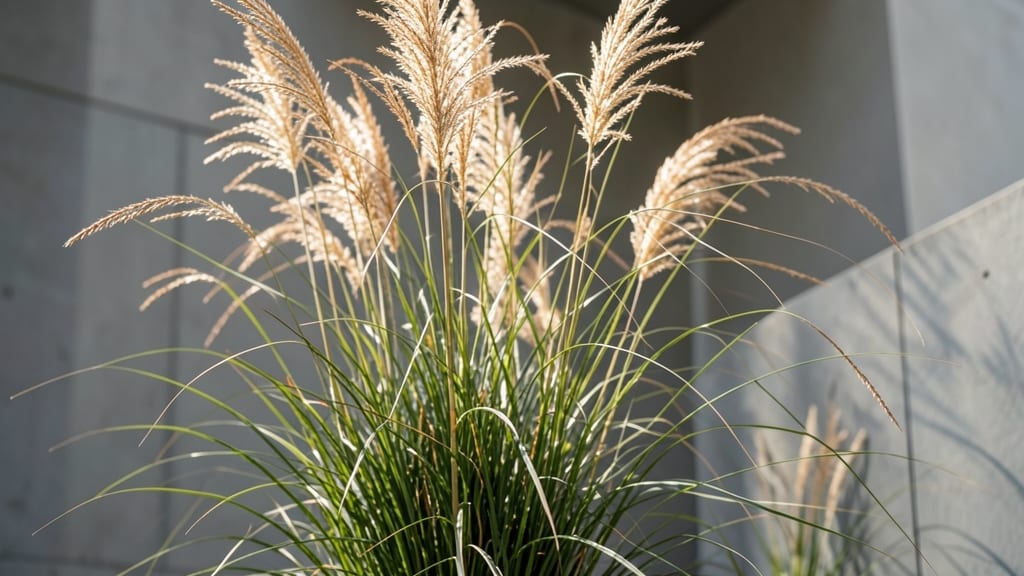
Want a grass that dances with the wind while drawing pollinators to your garden? Maiden grass (Miscanthus sinensis) delivers arching, golden plumes that sway dramatically in breezes—creating a living sculpture that moves with the seasons. Unlike its taller cousins, this grass thrives in partial shade and moist soils, making it ideal for woodland edges or rain gardens where other ornamental grasses might struggle.
Plant it in clusters for maximum movement, and watch as butterflies and bees flock to its feathery blooms in late summer. For best results, divide clumps every 3-4 years to maintain vigor, and cut back old foliage in early spring before new growth emerges. The variety 'Zebrinus' adds striped foliage for extra visual interest, while 'Malepartus' reaches 6 feet with dramatic height.
This is the perfect choice for gardeners who love textural contrast and want to support local wildlife without sacrificing beauty. It’s also beginner-friendly—just give it consistent moisture and watch it thrive. 🌿
Blue Fescue for Compact Elegance in Small Spaces
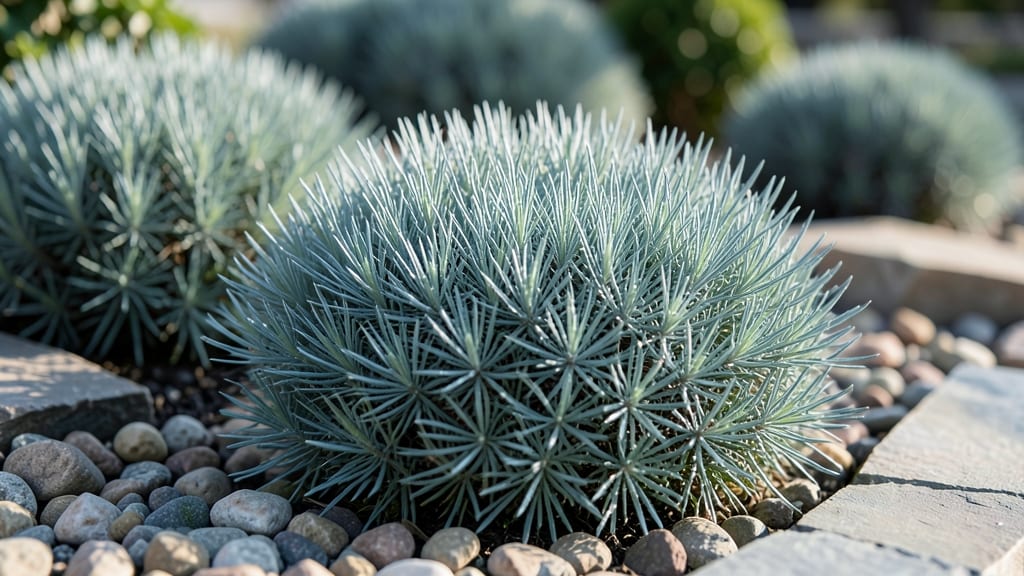
If your garden space is as limited as your patience for high-maintenance plants, blue fescue (Festuca glauca) delivers year-round elegance without the fuss. Its tight, mounded clumps of blue-green foliage stay neatly contained—no sprawling or flopping—making it ideal for edging, rock gardens, or even container plantings where every inch counts.
This drought-tolerant grass thrives in full sun to partial shade and handles poor, rocky, or sandy soils with ease. Shear lightly in early spring to encourage denser growth, but otherwise, it requires zero fuss—no fertilizing, no frequent watering, and no winter dieback. The silvery-blue hue contrasts beautifully with dark foliage or bright flowers, adding a modern touch to small gardens.
Perfect for urban gardeners, balcony planters, or tiny backyard edges, blue fescue proves that compact doesn’t mean boring. Just plant, admire, and let it do its thing. ✨
Switchgrass for Prairie-Style Restoration Projects
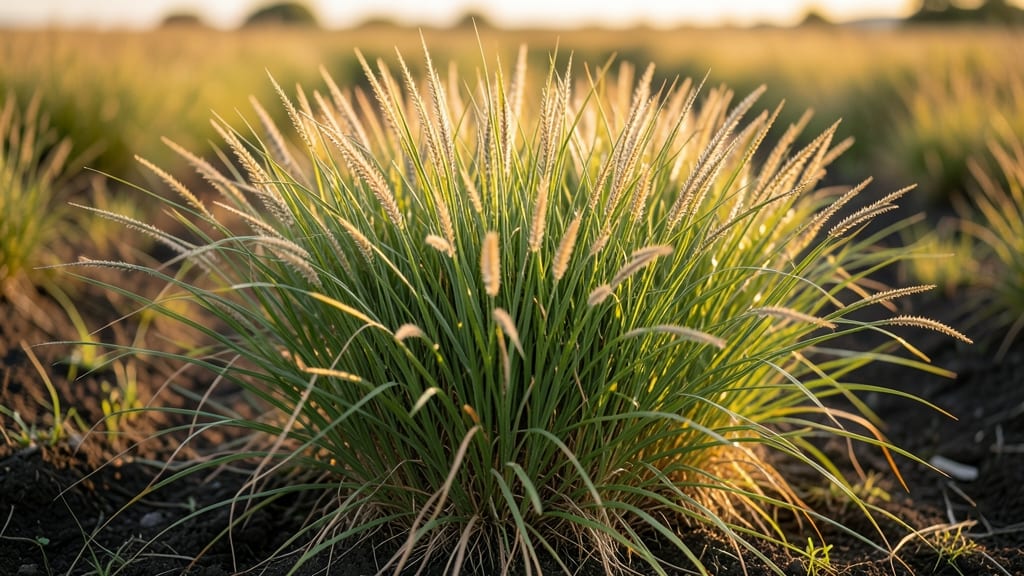
Restoring a prairie ecosystem doesn’t require rare or expensive plants—just switchgrass, a hardy native that thrives in Zone 6 while doing the heavy lifting for you. This upright, clump-forming grass grows 3–5 feet tall, forming dense tufts that prevent erosion and outcompete invasive weeds, making it a powerhouse for ecological restoration.
Plant switchgrass in full sun to partial shade with well-drained soil, and watch it transform bare spots into lush, wildlife-friendly habitats. Its late-summer seed heads provide food for birds, while its deep roots improve soil structure over time. For best results, space clumps 18–24 inches apart and avoid overwatering—this drought-tolerant grass prefers dry conditions once established.
Perfect for landowners restoring native habitats, switchgrass also works in large gardens where you want to mimic a prairie’s natural beauty with minimal upkeep. 🌟
Purple Moor Grass for Bog Gardens and Wet Areas
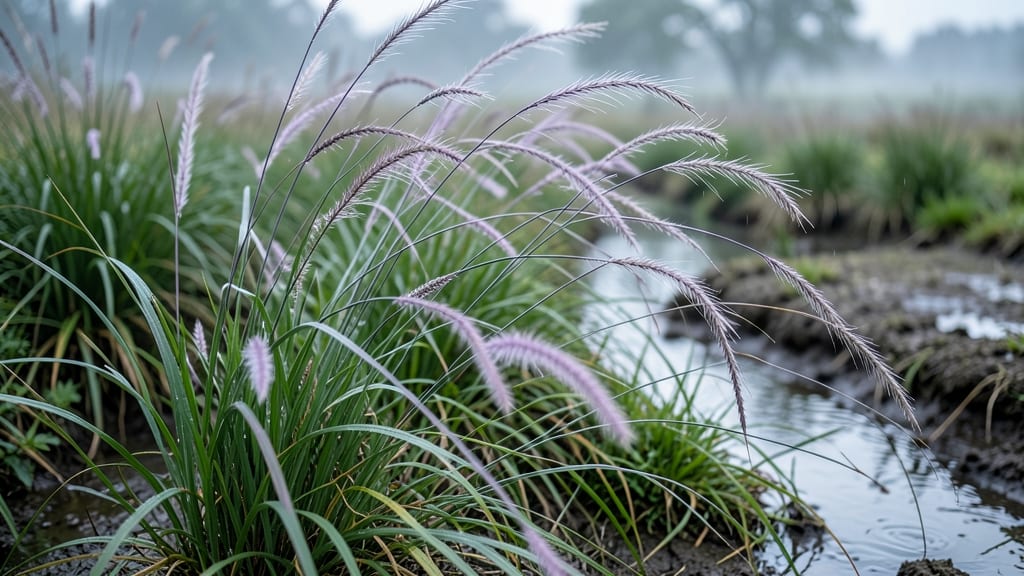
Turn soggy patches of your yard into vibrant focal points with Purple Moor Grass (Molinia caerulea), a hardy perennial that thrives where most plants drown. Its airy, purple-tinged stems create striking contrast against green foliage, perfect for rain gardens or water feature edges where moisture lingers.
This wetland specialist handles standing water and poorly draining soils with ease, making it ideal for Zone 6 bog gardens. Plant in full sun to partial shade, and watch its arching plumes sway dramatically in breezes—adding movement and texture to otherwise monotonous wet areas. Deadhead spent blooms in early spring to encourage fresh growth.
Perfect for eco-conscious gardeners or those with challenging wet spots, Purple Moor Grass offers year-round interest with minimal care. 🌿
Carex for Shade-Loving Ground Cover Solutions
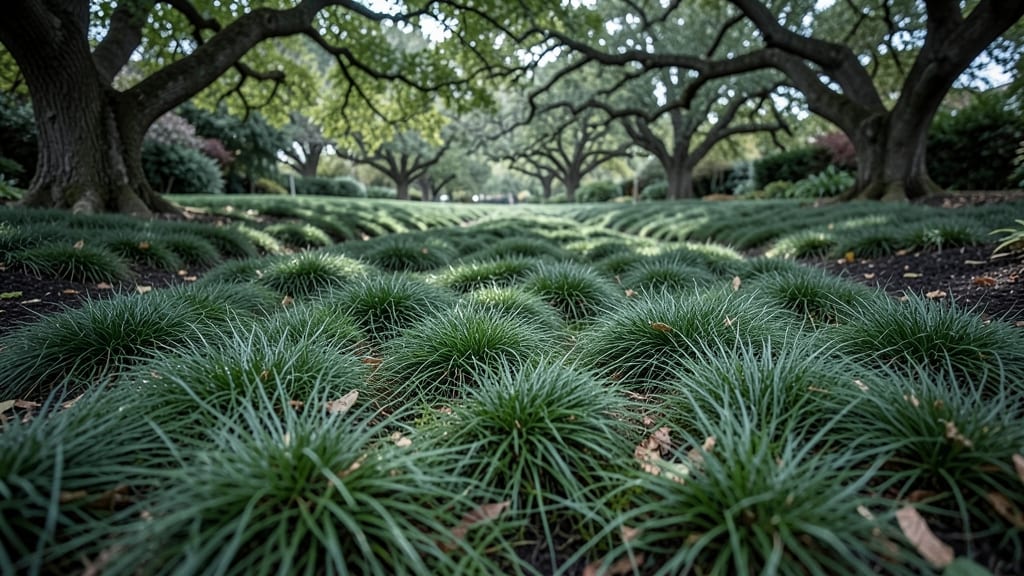
Tired of battling weeds in your shady garden corners? Carex sedge varieties create a weed-blocking green carpet that thrives where lawns fail, offering a low-maintenance solution for Zone 6 shade gardens. Unlike traditional grasses, these evergreen perennials spread slowly (about 6-12 inches per year) while outcompeting weeds through dense foliage.
Choose from varieties like Carex oshimensis for soft, mounding growth or Carex muskingumensis for broader coverage. They prefer moist, well-drained soil and tolerate partial to full shade, making them perfect under trees or along north-facing foundations. A light spring cleanup keeps them looking neat without heavy maintenance.
This is the ideal solution for gardeners who want a lush, lawn-like appearance without mowing—perfect for understory planting, woodland gardens, or replacing tired mulch beds. 🌿
Japanese Silver Grass for Architectural Contrast
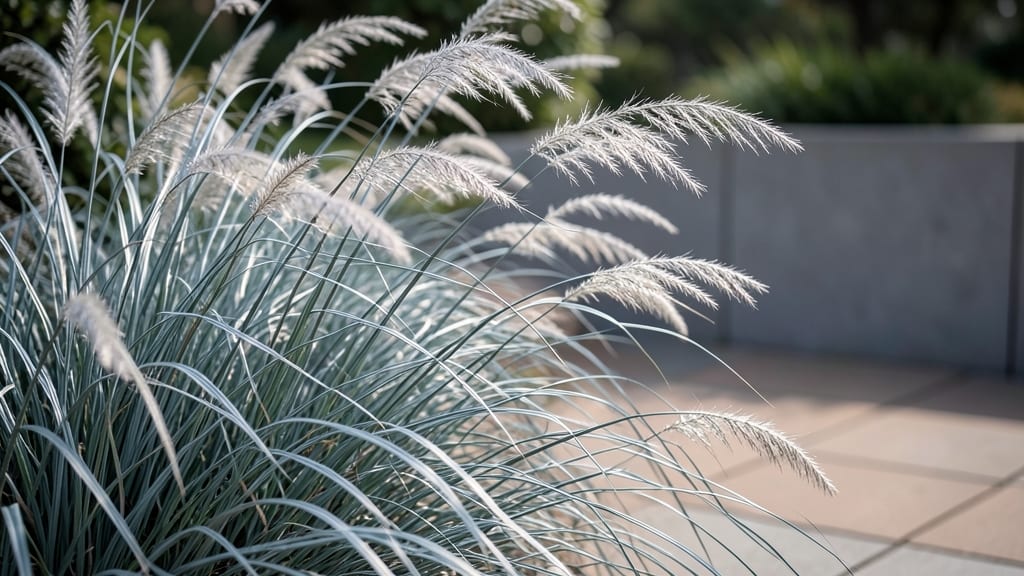
Transform your modern garden into a striking visual statement with Japanese Silver Grass (Miscanthus sinensis), a perennial that delivers architectural contrast without the fuss. Its silvery-blue foliage and cascading seed heads create dramatic lines that mimic contemporary design elements, making it a standout choice for minimalist landscapes.
This clump-forming grass thrives in full sun to partial shade and handles Zone 6’s winters with ease, though it benefits from a light mulch in harsh climates. Plant it in groups of 3-5 for maximum impact, spacing them 18-24 inches apart—its upright growth (3-5 feet tall) adds vertical drama while requiring zero staking. The arching seed plumes in late summer offer year-round texture, even after cutting back in early spring.
Perfect for urban gardeners or designers seeking low-maintenance structure, this grass pairs beautifully with dark foliage plants like heuchera or black mondo grass for a high-contrast, modern look. 💡
Tufted Hair Grass for Textural Variety in Borders
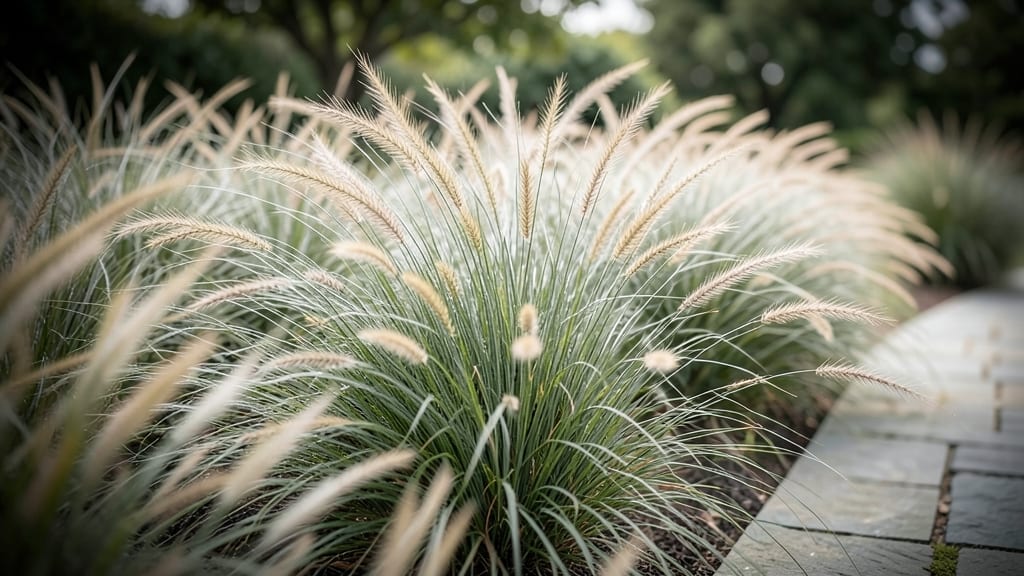
Looking for a grass that softens hard edges and adds ethereal movement to your borders? Tufted Hair Grass (Deschampsia cespitosa) delivers delicate, airy plumes that dance in the slightest breeze—perfect for cottage-style gardens or modern borders where texture matters most.
This low-maintenance perennial thrives in both full sun and partial shade, making it versatile for almost any border spot. Its fine, feathery seed heads emerge in late summer, adding soft contrast to bold perennials like coneflowers or black-eyed Susans. Unlike taller grasses, it stays compact (18-24 inches tall) but spreads slowly, so it won’t overwhelm smaller spaces.
Ideal for gardeners who want effortless elegance, Tufted Hair Grass requires no staking or heavy pruning—just a quick tidy-up in early spring. Plant it in clusters for a whispery, natural look that fills gaps beautifully. 🌻
Sideoats Grama for Xeriscaping and Wildlife Habitats
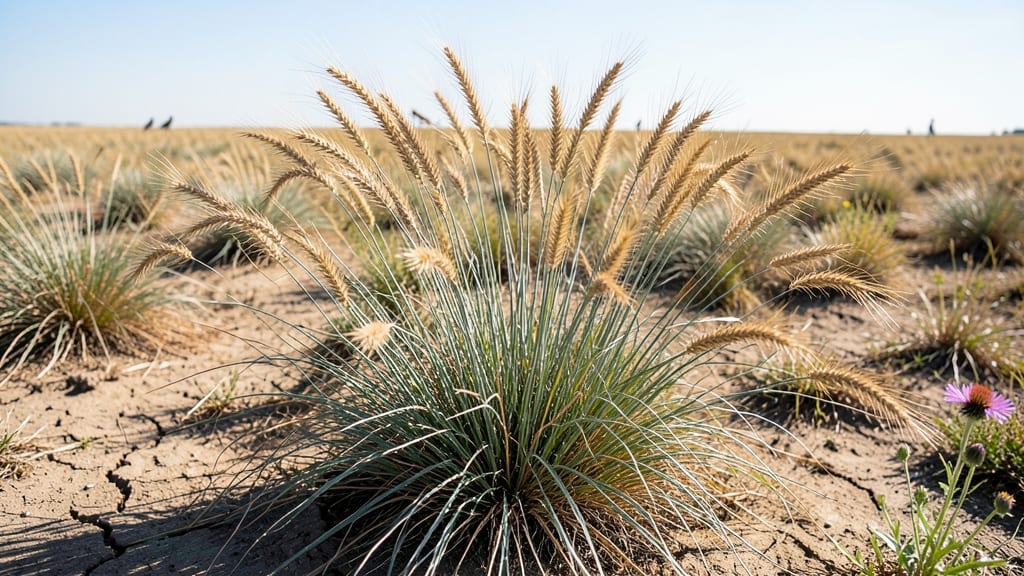
Want a drought-resistant grass that doubles as a bird buffet while keeping your water bill low? Sideoats grama (Bouteloua curtipendula) delivers with its airy, golden seed heads that sway in prairie breezes and feed finches, sparrows, and quail throughout winter.
This native perennial thrives on less than 12 inches of rain annually, making it ideal for xeriscaping projects. Plant it in full sun with well-draining soil—it handles heat, poor soil, and even light foot traffic. For wildlife, let the seed heads mature; they provide year-round sustenance while adding movement and texture to your landscape.
Perfect for urban gardeners with limited water resources or wildlife enthusiasts wanting to support local birds, this grass blends seamlessly into prairie-style gardens or as a low-maintenance border. 🌻