
Pruning
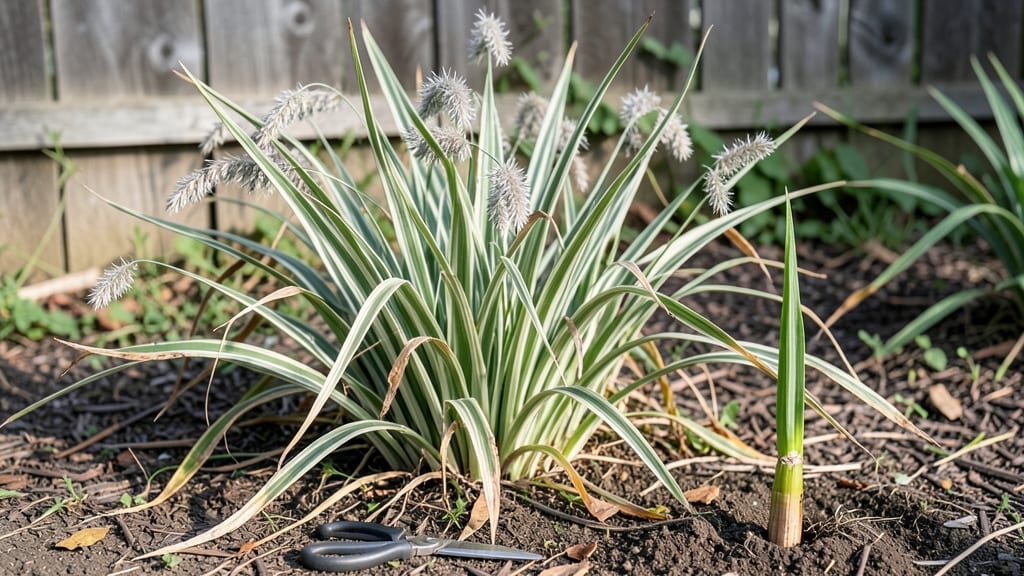
Zebra grass pruning in late winter is your secret weapon—timing and technique turn scraggly blades into a striped masterpiece, or a sad, patchy mess. ✨ Trust me, I’ve learned the hard way. bare patch.
The key is cutting back hard enough to encourage fresh, vibrant shoots while avoiding the temptation to overdo it.
You’ll need sharp pruners or a clean hedge trimmer, gloves for grip, and a sunny day when the grass is dry. Most gardeners prune in late February to early March, right before the first flush of growth, but if you miss that window, early fall works too.
The goal is to remove about one-third of the plant’s height—enough to stimulate new growth but not so much that you stress the roots.
What you’ll end up with is a neat, upright plant bursting with those signature striped leaves, ready to dominate your garden borders or containers. The regrowth comes in 3-4 weeks, and with proper care, your zebra grass will stay full and vibrant all season.
Just avoid cutting into old, woody stems—those won’t bounce back.
Works for both ground covers and potted plants, and the same principles apply whether you’re dealing with a single clump or a full border. Here’s how to nail it the first time—no guesswork, just results.
📚 In This Guide
- What you need
- Instructions
- Tips and common mistakes
- Wrapping up and next steps
What you need
- ○ Pruning shears or hedge clippers: Sharp, bypass-style shears (4–6" blades) for clean cuts. Optional: Heavy-duty loppers (for thicker stems).
- ● Pruning saw: A folding pruning saw (8–10" blade) for stubborn, woody stems.
- ● Garden gloves: Cut-resistant gloves (size medium/large) to protect hands from sharp edges.
- ● Disinfectant (70% isopropyl alcohol or bleach solution): Spray or wipe tools between cuts to prevent disease spread.
- ● Heavy-duty trash bags or compost bin: For debris removal (1–2 large bags per session).
- ● Ladder or step stool: If your zebra grass exceeds 5–6 feet in height.
- ● Hand pruners with ratcheting mechanism: Reduces hand fatigue for large batches.
- ● Knee pads: For comfort during ground-level trimming.
- ● String trimmer (weed whacker): For neat edging around borders.
- ● Plant food (balanced fertilizer): Apply post-pruning to boost regrowth (e.g., 10-10-10 NPK ratio).
Step-by-step instructions for pruning zebra grass
Here's how I keep zebra grass looking sharp and thriving—no guesswork, just clean cuts.
✂️ Step 1: Time Your First Cut at the Right Moment
Wait until your zebra grass reaches 12-18 inches tall and has developed at least 3-4 new growth rings around the stems. This usually happens 6-8 weeks after planting, but check for new striped leaves emerging—that’s your cue. Early pruning stunts growth, while waiting too long sacrifices that bold striped pattern.
I like to prune in early spring just as new shoots appear, or after flowering if you want to encourage more foliage. Avoid cutting back in fall or winter—the plant needs those leaves to store energy for next season. Use sharp pruners to make clean cuts, never tear or rip the stems.
🌿 Step 2: Trim Back by One-Third for Healthy Regrowth
Remove one-third of the plant’s height at a time, cutting just above a leaf node (the bump where leaves attach). This encourages bushier growth and keeps those striking stripes sharp. For example, if your zebra grass is 18 inches tall, cut it back to 12 inches. Never trim more than a third in a single session—you’ll shock the plant.
Focus on outer stems first to open up the center for airflow. I always work from the top down, making cuts at a 45-degree angle about ¼ inch above the node. This prevents water from pooling on the cut and causing rot. If your plant looks leggy, you can do a second light trim 4-6 weeks later, but never cut into old, bare stems—you’ll expose the plant to disease.
☀️ Step 3: Maintain Year-Round with Seasonal Adjustments
After the first prune, lightly trim spent flowers throughout the growing season to redirect energy into foliage. Zebra grass blooms are pretty but sap the plant’s strength. Use clean, sharp scissors to snip just above the next set of leaves—never pull or yank the stems. This keeps the plant compact and encourages more of those eye-catching stripes.
In late summer, give your zebra grass a final light trim to tidy up before winter. Cut back to 6-8 inches tall, leaving enough foliage to protect the crown. If you live in a USDA Zone 8 or warmer, you might skip winter pruning entirely—just remove dead leaves in early spring. In colder zones, a light trim in late fall prevents snow or ice from weighing down the stems.
⏰ Step 4: Clean Up and Prevent Common Mistakes
After pruning, remove all clippings from the area to prevent fungal diseases. I like to compost them, but only if they’re healthy—never compost diseased or pest-ridden material. Water the base deeply but thoroughly right after trimming to help the plant recover. You’ll know it’s happy when new striped leaves emerge within 2-3 weeks.
Here’s the thing—I’ve seen gardeners over-prune zebra grass, and it never recovers. If you cut into old, bare stems, the plant won’t regrow. Also, never prune in extreme heat (above 85°F)—the plant will struggle to bounce back. Instead, prune on a cool, cloudy morning when the plant is hydrated. If you notice yellowing leaves after pruning, it’s usually just the plant adjusting—keep an eye on it, and it’ll perk up.
Tips & tricks for precision zebra grass trimming
These game-changing tips will help you maintain your zebra grass's striking appearance while keeping it healthy and thriving year after year.
Timing is Everything: The 6-8 week window after planting is critical for that first prune. I've seen gardeners rush this step and end up with stunted growth that never recovers. Look for those 3-4 new growth rings around the stems—they're your visual cue that the plant is ready. In early spring, I always check for new shoots emerging, which signals it's time to trim. Avoid pruning in fall or winter when the plant needs its leaves to store energy for next season.
The One-Third Rule: When you're ready to trim, follow the one-third guideline religiously. If your zebra grass is 18 inches tall, cut it back to 12 inches—no more, no less. I've made the mistake of being overzealous and ended up with a plant that took months to recover. Focus on outer stems first to improve airflow, and always cut at a 45-degree angle about ¼ inch above the leaf node. This technique prevents water pooling that can lead to rot, and those angled cuts actually help the plant direct growth more evenly.
Seasonal Strategy: After that initial prune, maintain your zebra grass throughout the growing season by lightly trimming spent flowers. This redirects energy back into foliage growth, keeping those bold stripes sharp. In late summer, give it a final light trim to prepare for winter—cut back to 6-8 inches tall, leaving enough foliage to protect the crown. If you're in USDA Zone 8 or warmer, you can skip winter pruning entirely, but in colder zones, a light trim in late fall prevents snow damage. I always do this on a cool, cloudy morning when temperatures are below 85°F to avoid stressing the plant.
Cleanup and Recovery: After pruning, remove all clippings immediately to prevent fungal diseases. I compost healthy clippings, but never diseased material. Water deeply right after trimming—this helps the plant recover faster. You'll know it's happy when you see new striped leaves emerging within 2-3 weeks. If you notice yellowing leaves after pruning, don't panic—it's usually just the plant adjusting to the trim. Just keep an eye on it, and it'll bounce back beautifully.
Pro Tips for Zebra Grass Pruning
- These game-changing tips will help you maintain your zebra grass's striking appearance while keeping it healthy and thriving year after year.
- Timing is Everything: The 6-8 week window after planting is critical for that first prune.
- The One-Third Rule: When you're ready to trim, follow the one-third guideline religiously.
Frequently asked questions
When is the best time to prune zebra grass?
Prune zebra grass in early spring (just as new growth begins) or late summer (after major growth slows). Avoid pruning in winter—it’s dormant and vulnerable. For container plants, you can trim lightly year-round to maintain shape, but avoid heavy cuts.
How short can I cut zebra grass without damaging it?
Never trim more than one-third of the plant’s height at once. Zebra grass thrives with 3–6 inches of foliage remaining. Cutting too short stresses the plant, weakens its stripes, and may expose the base to rot or pests. Use sharp shears for clean cuts!
What if my zebra grass loses its stripes after pruning?
Stripe fading often happens from over-pruning or nutrient deficiency. Adjust your routine: trim lightly, fertilize with low-nitrogen, high-potassium feed (like 5-10-10), and ensure it gets bright, indirect light. Stripes may return in 4–6 weeks with proper care.
Can I use regular lawnmowers for zebra grass?
No—zebra grass is delicate! Use hand shears, hedge trimmers, or electric grass trimmers for precision. Lawnmowers can tear leaves, dull stripes, and stress the plant. For large areas, opt for a string trimmer with a fine blade (set to high) for a cleaner finish.
What do I do if my zebra grass turns brown after pruning?
Brown tips usually mean over-trimming, underwatering, or shock. Trim less aggressively next time, water deeply (but avoid soggy soil), and move the plant to bright, filtered light if indoors. Brown patches may recover in 2–3 weeks with proper hydration.
Wrapping up and next steps
Mastering zebra grass pruning is your ticket to lush, striped foliage that steals the show! 🌿 By following the right techniques—like timing, sharp tools, and proper spacing—you’ll keep your grass healthy, vibrant, and thriving. Don’t let hesitation hold you back; grab those shears and get trimming!
Ready to take your garden to the next level? Start small with one section, then expand your skills to other plants. Your green thumb will thank you!