
Lawn
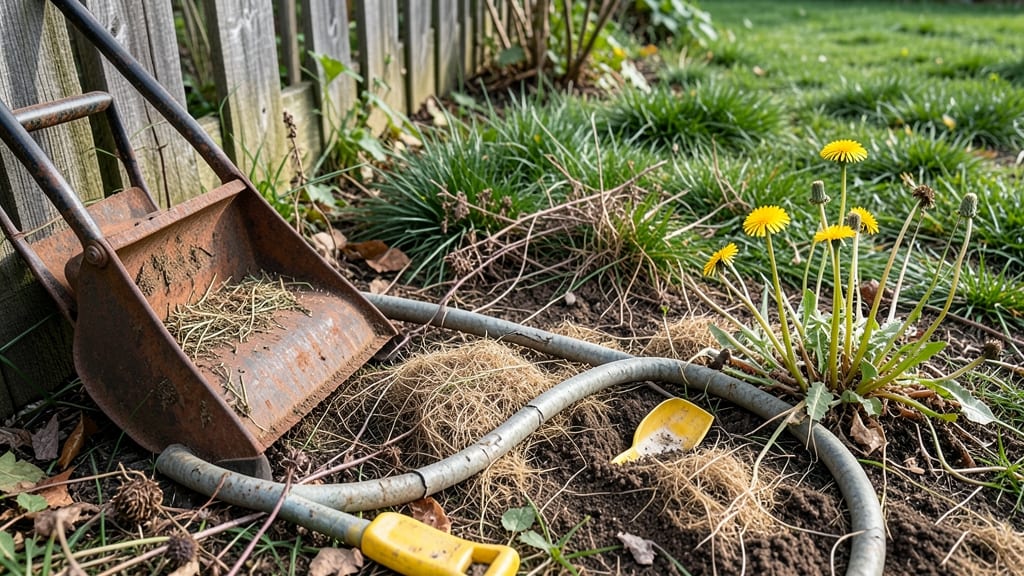
Your "worst lawn ever" isn't a death sentence—it's just waiting for the right wake-up call. 🌱 I've turned brown patches into lush green in under 30 days using tricks that skip the expensive treatments and get straight to the roots of the problem.
The real culprits? Often it's not what you're doing—it's what you're not doing. Skipping soil tests, ignoring thatch buildup, or watering at the wrong times all add up to a lawn that looks like it's giving up.
But here's the good news: most fixes take less than an hour and cost next to nothing. You'll see noticeable improvement in just 2 weeks with the right approach—think vibrant green filling in bare spots, weeds shrinking back, and grass that actually stays put after mowing.
The key is working with your lawn, not against it. No fancy equipment needed. Just a few simple tools and a willingness to give your grass a second chance. Let's get that lawn back in the game!
The Hidden Causes Behind Browned-Out Grass
If your lawn looks like it’s suffering from a slow-motion drought or a case of severe neglect, don’t panic—there’s usually a scientific (and fixable) reason behind it. Understanding why your grass is struggling is the first step to bringing it back to life.
Below, we break down the most common culprits, backed by real turf science, so you can target the problem like a pro.
Healthy grass starts with healthy soil, and if yours is compacted, nutrient-deprived, or lacking organic matter, your lawn is basically fighting with one hand tied behind its back. Here’s what’s likely happening:
- Compacted Soil: Heavy foot traffic, machinery, or even natural settling can squeeze the life out of soil pores, blocking oxygen, water, and root growth. Result? Grass roots suffocate, turning brown and patchy. Test it: Stick a screwdriver into the soil—if it resists after 2 inches, your soil is compacted.
- Nutrient Deficiencies: Grass is a heavy feeder, and if your soil lacks essential nutrients like nitrogen (for green color), phosphorus (for root growth), or potassium (for drought resistance), it’ll show its frustration with yellowing or thinning patches. Signs: Uniform browning across the lawn often points to nitrogen deficiency, while dark green veins with yellow patches suggest iron or manganese issues.
- pH Imbalance: Soil pH affects nutrient availability. If your lawn soil is too acidic (<6.0) or alkaline (>7.5), grass can’t absorb critical minerals like iron or zinc. Clue: Yellowing between leaf veins (iron chlorosis) is a red flag.
💡 Pro Tip: A simple soil test (available at garden centers or via mail-in kits) reveals pH and nutrient levels. Amend compacted soil with gypsum (for calcium) or compost (for organic matter), and fertilize based on test results.
Water is the lifeblood of grass, but get it wrong, and you’ll either drown your lawn or turn it into a crispy desert. Here’s how mismanagement wreaks havoc:
- Underwatering: Grass roots need 1–1.5 inches of water per week (including rain). Less than that triggers drought stress, causing blades to turn grayish-brown and brittle. Warning sign: Footprints stay visible long after you walk across it.
- Overwatering: Soggy soil suffocates roots by cutting off oxygen, while shallow watering encourages weak, shallow roots that can’t survive dry spells. Clue: Mushy, spongy grass or fungal diseases (like brown patch) often mean you’re overdoing it.
- Irregular Watering: Skipping watering days or only running sprinklers for 5 minutes creates uneven moisture levels. Grass blades dry out faster than roots can keep up, leading to brown tips or blade burn.
🎯 Fix It: Water deeply 2–3 times per week (early morning, 6–10 AM) for 30–45 minutes per session. Use a rain gauge or tuna can to measure—1 inch = 0.62 gallons per square foot.
Just like humans, grass can suffer from too much sun exposure, especially during heatwaves. Here’s how it happens:
- Direct Sun Damage: Intense UV rays can bleach grass blades, turning them white or straw-colored. This is common in cool-season grasses (like Kentucky bluegrass or fescue) during hot summers.
- Heat Stress: When temperatures exceed 90°F (32°C) for prolonged periods, grass metabolism slows, and cells die. Symptoms: Wilting, grayish-brown patches, or grass that feels dry and crispy to the touch.
- Dormancy Confusion: Some grasses (like Bermuda or Zoysia) go dormant in extreme heat to conserve water. If you’re not familiar with your grass type, you might mistake dormancy for death.
🌡️ Beat the Heat: Raise your mower blade to 3–4 inches to provide shade to the soil. Water before 10 AM to reduce evaporation, and avoid fertilizing during heatwaves—it stresses grass further.
Not all lawn struggles are due to neglect—sometimes, tiny (or not-so-tiny) enemies are to blame. Here’s how they sabotage your grass:
| Culprit | How It Attacks | Tell-Tale Signs |
|---|---|---|
| 🐜 Grubs (larvae of beetles) | Munch on grass roots, causing patches to pull up easily or turn brown. | Soggy, spongy grass; animals digging for grubs. |
| 🍄 Fungal Diseases (e.g., brown patch, dollar spot) | Thrive in warm, humid conditions, killing grass tissue. | Ring-shaped brown patches; slimy or powdery growth on blades. |
| 🐛 Mole or Vole Damage | Tunnel underground, severing roots and creating dead zones. | Irregular brown patches; visible tunnels or mounds. |
| 🌿 Weeds (Crabgrass, Nutsedge) | Compete for water/nutrients, weakening grass. | Thin, patchy grass with intrusive weeds. |
🔥 Take Action: For grubs, apply beneficial nematodes or milky spore bacteria. Fungal issues? Improve airflow with proper mowing and watering habits. And if moles are the problem, set traps or use castor oil-based repellents.
Now that you’ve identified the root cause (pun intended), you’re ready to revive your lawn with targeted fixes. Next up: Quick Revival Tricks to turn brown into green in no time!
Revive Your Lawn Fast
Your lawn isn’t beyond saving—even the most neglected patches can bounce back with the right approach. Below, we’ve mapped out practical fixes for the most common causes of a struggling lawn, from patchy grass to invasive weeds.
Each solution includes step-by-step actions and prevention tips to keep your yard looking lush year-round.
---
Cause: Thinning grass, bare spots, or dead patches (often from disease, foot traffic, or poor soil). Solution: 1. 🔪 Clear the Debris – Rake out dead grass, rocks, and thatch to expose fresh soil. 2. 🌱 Overseed Strategically – Choose a fast-germinating seed mix (like perennial ryegrass or tall fescue) for quick coverage. Spread seeds in late summer or early fall when conditions are ideal. 3. 💧 Water Deeply – Keep soil moist (not soggy) for 10–14 days until new grass sprouts. 4. 🌿 Fertilize Lightly – Use a starter fertilizer (high in phosphorus) to encourage root growth.
Prevention Tips: ✔ Mow high (3–4 inches) to shade soil and retain moisture. ✔ Aerate annually to prevent compaction. ✔ Test soil pH—aim for 6.0–7.0; amend with lime or sulfur if needed.
---
Cause: Crabgrass, dandelions, or clover crowding out grass. Solution: 1. 🌡️ Pull or Dig Out – For small weeds, hand-pull when soil is damp (grasp the root!). 2. 🔥 Spot-Treat with Vinegar – Mix 1 gallon vinegar + 1 oz dish soap in a spray bottle. Target weeds on sunny days (avoid grass—it’ll die too!). 3. 🌱 Replant Grass – Fill bare spots with dense grass seed to outcompete weeds. 4. ⏰ Pre-Emergent Barrier – Apply corn gluten meal (natural weed preventer) in early spring.
Prevention Tips: ✔ Mow regularly (never remove more than ⅓ of blade height). ✔ Mulch clippings to return nutrients to soil. ✔ Use pre-emergent in spring (like prodiamine) to block weed seeds.
---
Cause: Drought stress, heat damage, or overwatering. Solution: 1. 💧 Water Deeply, Infrequently – 1–1.5 inches per week (early morning is best). Use a soaker hose for even distribution. 2. 🌿 Lightly Fertilize – A balanced 10-10-10 or slow-release fertilizer helps recovery. 3. 🛡️ Reduce Foot Traffic – Avoid walking on stressed grass until it regains color. 4. 🌡️ Adjust Mowing Height – Raise the blade to 4 inches to conserve moisture.
Prevention Tips: ✔ Install a rain gauge to track watering needs. ✔ Use drought-resistant grass types (like buffalo grass or zoysia). ✔ Apply mulch around trees/shrubs to retain soil moisture.
---
Cause: Shady, damp areas with poor airflow. Solution: 1. 🧹 Scrub with Baking Soda – Mix 1 cup baking soda + 1 gallon water in a spray bottle. Apply to mossy patches (safe for grass). 2. 🌿 Improve Airflow – Thin out overgrown plants or trim bushes near the lawn. 3. 🔥 Sunlight Boost – If possible, prune trees to allow more light. 4. 💧 Fix Drainage – Rake soil to level low spots or install French drains if water pools.
Prevention Tips: ✔ Aerate compacted soil to help water drain. ✔ Choose shade-tolerant grass (like fine fescue). ✔ Avoid overwatering—moss thrives in soggy conditions.
--- Pro Tip: 💡 Don’t overdo it! Too much fertilizer or water can stress grass further. Follow the "less is more" rule for best results.
--- Need a Quick Fix? Try compost top-dressing—spread a thin layer (¼ inch) over bare spots to improve soil and seed germination. Your lawn will thank you! 🌱
Frequently asked questions
Why does my lawn look dead in some spots but fine in others?
Uneven lawn health usually points to soil compaction or hidden pests. Compacted areas (like high-traffic zones) suffocate roots, while grubs or moles create dead patches by severing roots underground. Test with a screwdriver—if it resists after 2 inches, you’ve found your problem!
Can I fix my lawn in just one season?
Yes! Start with aeration (rent a core aerator) to break up compacted soil, then overseed with fast-germinating grass like perennial ryegrass. Combine this with deep watering (1–1.5 inches/week) and you’ll see dramatic improvement in 6–8 weeks. Patience is key—don’t rush fertilizing!
What’s the fastest way to kill weeds without harming grass?
For spot treatment, mix 1 gallon vinegar + 1 oz dish soap in a spray bottle. Target weeds on sunny days—the vinegar burns them while grass recovers faster. For long-term control, apply corn gluten meal in early spring (it blocks weed seeds naturally). Avoid herbicides near grass edges!
Is it too late to fix my lawn in summer?
Not at all! Summer is perfect for deep watering (early morning) and raising mower height to 4 inches to shade roots. Focus on fixing drainage issues (like low spots) and avoid fertilizing—heat stresses grass further. Fall is ideal for reseeding, but summer fixes still work!
Why does my lawn turn brown after mowing?
Cutting grass too short (below 2 inches) exposes roots to sun/heat, causing blade burn. Always mow when blades are dry and never remove more than ⅓ of the height at once. Raise your mower blade to 3–4 inches for shade and moisture retention.