
Lawn
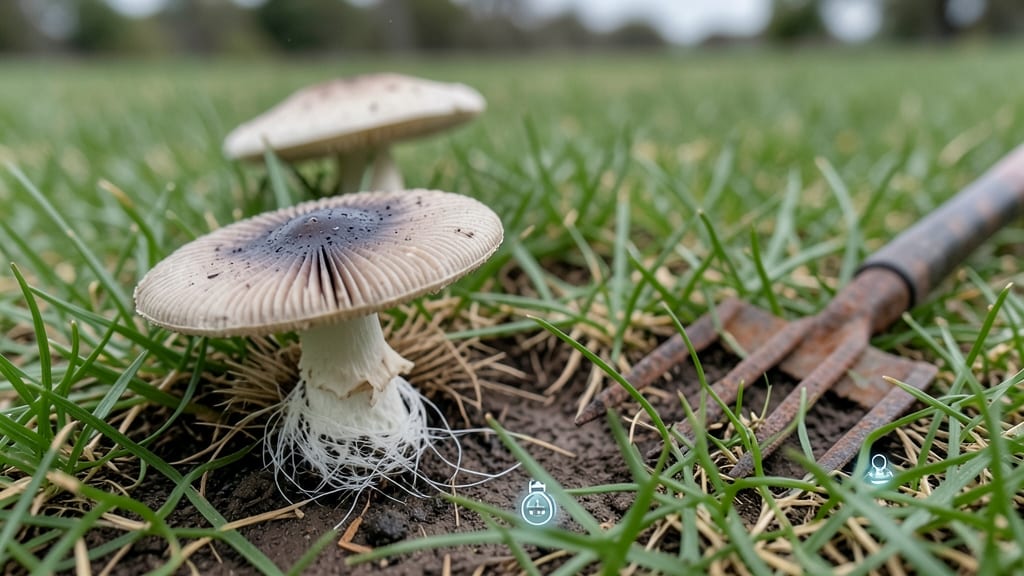
Why have I got mushrooms in my lawn?—it’s not just weird, it’s nature’s way of telling you something’s off. 🌱 I've seen this happen after heavy rains, in shaded spots, or where buried wood chips or roots decayed underground. Most are harmless, but a few could be toxic if pets or kids touch them (yes, I've had to identify those fly agarics before). The real story starts underground: mushrooms are just the fruiting bodies of fungi thriving on decaying organic matter or compacted soil. They love moisture, shade, and poor drainage—the same conditions that stress your grass. The good news? They're not harming your lawn, but they might be a sign it needs better airflow or less thatch buildup. You can remove them by hand (just don't compost them!) or improve drainage with aeration. Overseeding with a tough grass variety often crowds them out naturally. The key is acting before they spread—my lawn went from mushroom patches to lush green in one season after I fixed the drainage. This isn't permanent—it's a wake-up call from your soil. The mushrooms will fade once you address what they're feeding on. Here's how to make that happen without chemicals.
The Hidden Causes Behind Lawn Mushrooms
Mushrooms popping up in your lawn aren’t just a quirky surprise—they’re often a sign that something deeper is going on beneath the surface. Whether it’s excess moisture, decaying organic matter, or even buried tree roots, these fungi thrive when conditions are just right.
Understanding the root causes (pun intended!) helps you decide whether to remove them or let nature take its course. Below, we break down the most common reasons your lawn has become a mushroom buffet.
Mushrooms need moisture to grow, and if your lawn stays soggy for too long, you’re basically inviting them to set up camp.
Excess water can come from: - Heavy rainfall (especially in humid climates) - Poor drainage (clay soil, compacted ground, or low-lying areas) - Overwatering (even well-meaning gardeners can drown their lawns)
💡 Pro Tip: If your lawn feels spongy or puddles form after rain, you may need to improve drainage with sand, compost, or even a French drain. Aerating the soil can also help water absorb better.
Mushrooms are nature’s recyclers—they break down dead plant material, wood, and compost.
If your lawn has: - Buried wood chips, leaves, or mulch (from old tree stumps, fallen branches, or compost piles) - Roots of dead or dying plants (like grass clippings left to decompose) - Animal burrows or old roots (squirrels, moles, or gophers can leave behind tunnels that trap moisture and organic debris)
These hidden treasures create the perfect buffet for mushroom spores lurking in the soil.
🔥 Action Step: Dig up any visible debris (like wood chips) and improve airflow by raking out thick layers of thatch. If you suspect buried stumps, consider professional stump grinding to eliminate the food source.
Some mushrooms, like fairy ring mushrooms or wood-loving species, thrive near trees because:
- Tree roots release nutrients as they decay, feeding fungal networks.
- Shady, damp conditions under canopies mimic a mushroom’s ideal greenhouse.
- Buried roots create microclimates where moisture and organic matter accumulate.
If your mushrooms appear in a ring pattern (a classic "fairy ring"), it’s often a sign of fungal activity feeding on hidden roots.
✨ Natural Fix: Prune overhanging branches to improve sunlight and airflow. If the mushrooms are harmless, they may even help break down excess roots over time!
When soil gets compacted (from foot traffic, heavy machinery, or clay-heavy ground), water pools instead of draining, creating the perfect mushroom-growing conditions.
Compacted soil also: - Reduces oxygen levels, stressing grass and encouraging fungal growth. - Traps heat and moisture, speeding up decomposition. - Prevents beneficial microbes from outcompeting mushrooms.
🌡️ Quick Test: Stick a screwdriver into the soil—if it won’t go in easily, your lawn is likely compacted. Aerate in the fall to loosen the soil and improve drainage.
That layer of dead grass, roots, and debris between your soil and grass blades? That’s thatch, and it’s a mushroom magnet. Thatch:
- Holds moisture like a sponge.
- Blocks sunlight and air from reaching the soil.
- Provides food for fungal spores.
If your lawn hasn’t been dethatched in years, it’s no wonder mushrooms are moving in.
🎯 Solution: Use a dethatching rake or a vertical mower in early spring to remove excess buildup. Follow up with overseeding to encourage healthy grass growth that outcompetes fungi.
Critters like moles, voles, and gophers don’t just dig tunnels—they also:
- Disturb soil structure, creating pockets where water and organic matter collect.
- Leave behind old burrows that act as hidden mushroom nurseries.
- Bring in spores from other areas while tunneling.
If you spot mounds of dirt or irregular patches where mushrooms appear, underground activity might be the culprit.
🔪 Trapping & Prevention: Use humane traps or repellents to deter burrowing animals. Adding gravel or sharp objects (like broken bottles) to tunnels can discourage return visits.
If you’ve recently:
- Added compost or manure (too much nitrogen can trigger fungal growth).
- Planted new trees or shrubs (root systems attract decomposers).
- Dug up old plants or hardscapes (exposing buried organic matter).
These disruptions can wake up dormant mushroom spores, leading to sudden outbreaks.
📊 Prevention Tip: When amending soil, balance organic matter with sand or perlite to improve drainage. Avoid over-fertilizing, as excess nutrients can fuel fungal growth.
Some mushrooms are seasonal and appear when:
- Spring rains wake up dormant spores.
- Fall’s cool, damp weather creates ideal growing conditions.
- Humid summers (especially in shaded areas) keep soil moist.
If mushrooms appear year after year in the same spots, it’s likely a combination of soil conditions + seasonal moisture.
💪 Long-Term Fix: Choose drought-tolerant grasses for problem areas and improve airflow with strategic pruning or mulching alternatives (like gravel).
Quick Fixes for Lawn Mushrooms
Finding mushrooms sprouting in your lawn can be frustrating, but the good news is that most cases are harmless—and fixable! The right approach depends on the cause of the fungal growth.
Below, we’ll break down practical solutions tailored to each scenario, plus prevention tips to keep your lawn mushroom-free for good.
If mushrooms appear after heavy rain or in soggy patches, poor drainage is likely the culprit. Fungi thrive in damp, dense soil where organic matter (like decomposing leaves or thatch) accumulates.
How to Fix It: ✅ 🔥 Drainage Boost
- Dig small trenches (1–2 inches deep) around the mushroom clusters to redirect water away from the area.
- Add gravel or coarse sand to the trenches to enhance drainage.
✅ 👨🍳 Aerate Your Lawn
- Rent a core aerator (or use a garden fork) to poke holes 3–4 inches deep across the lawn.
- This breaks up compacted soil, letting air and water flow freely—making it harder for fungi to take hold.
✅ 🌱 Rake & Remove That
- Clear away thick layers of thatch (dead grass buildup) with a rake.
- Spread the debris thinly on garden beds (where mushrooms won’t sprout) to decompose naturally.
💡 Prevention Tip:
- Water deeply 2–3 times per week (early morning) instead of daily light sprinkles.
- Avoid walking on wet grass to prevent soil compaction.
Mushrooms often pop up where leaves, wood chips, or grass clippings pile up. These act as a buffet for fungi, providing food and moisture.
How to Fix It: ✅ 🔪 Trim & Remove Debris
- Rake up fallen leaves, twigs, and thick mulch from the lawn’s surface.
- Compost or dispose of them—do not leave them in piles where mushrooms can regrow.
✅ 🥘 Adjust Mulching Practices
- If you mulch with wood chips, keep them 3–4 inches away from the lawn’s edge.
- Opt for straw or shredded leaves (they decompose faster and are less hospitable to fungi).
💡 Prevention Tip:
- Mow high (3–4 inches) to shade the soil and reduce moisture retention.
- Dethatch annually if your lawn has a thick layer of dead grass.
Low-lying areas or lawns with poor soil structure stay damp longer, creating the perfect mushroom paradise. If the problem keeps returning, you may need to address the terrain itself.
How to Fix It: ✅ 🏗️ Level the Ground (If Needed)
- For sunken spots, mix topsoil with compost and level the area.
- For hills or slopes, redirect rainwater with swales (shallow ditches) or French drains.
✅ 🌡️ Improve Soil Composition
- Mix compost or peat moss into the top 2–3 inches of soil to improve drainage.
- Avoid heavy clay soils—amend with sand or perlite if drainage is poor.
💡 Prevention Tip:
- Install soil moisture sensors to monitor dampness before it becomes a problem.
- Plant drought-tolerant grasses (like tall fescue) in trouble spots.
If mushrooms keep returning despite fixes or you’re unsure if they’re safe, it’s time to take stronger action.
How to Fix It: ✅ 🔥 Fungicide Application (Last Resort)
- Use a non-toxic fungicide (like copper-based sprays or neem oil) for severe infestations.
- Spot-treat only the affected areas—avoid blanket spraying, which can harm beneficial microbes.
✅ 🎯 Professional Help for Stubborn Cases
- If mushrooms persist, consult a local lawn care expert or mycologist (fungus specialist).
- They can test the soil and recommend targeted solutions (e.g., beneficial bacteria treatments).
✨ Pro Tip:
- Never pull mushrooms by hand—this can spread spores! Use a shovel or trowel to dig them out with the roots.
The best defense against mushrooms is a thriving, well-maintained lawn. Focus on these habits to stay ahead:
- 📊 Test your soil (pH 6.0–7.0 is ideal for most grasses).
- 💪 Fertilize properly—over-fertilizing can encourage fungal growth.
- 🍎 Avoid synthetic chemicals (they disrupt natural soil balance).
- 🌱 Overseed bare patches to prevent soil exposure.
Final Thought: Most lawn mushrooms are harmless, but they’re a sign your lawn needs a little TLC. By addressing water, debris, and soil health, you can eliminate the problem—and enjoy a lush, fungus-free yard in no time! 🌱✨
Frequently asked questions about lawn mushrooms
Are mushrooms in my lawn dangerous to my family or pets?
Most lawn mushrooms are harmless, but a few can be toxic if ingested. The fly agaric (red with white dots) or death cap (greenish-brown) are dangerous—keep pets and kids away. If you're unsure, snap a photo and check a local mycologist's guide or use an app like iNaturalist. Never assume they're safe!
Will removing mushrooms make them come back?
Yes, if you don't address the root cause! Simply pulling mushrooms spreads spores. Focus on fixing drainage issues, removing organic debris, or improving soil aeration. Without these changes, new mushrooms will likely appear in 2-4 weeks as dormant spores activate.
Can I just ignore mushrooms in my lawn?
You can, but they're a sign your lawn needs attention. While harmless mushrooms won't kill grass, they thrive in poorly drained or compacted soil—conditions that also stress your lawn. Ignoring them may lead to thatch buildup or root rot over time. A little maintenance now prevents bigger problems later!
Why do mushrooms appear in rings?
Those classic fairy ring patterns form when fungal mycelium grows outward from a central point! The ring marks where the fungus has fully decomposed organic matter, leaving behind a nutrient-rich zone that often causes grass to grow darker or taller inside the ring. They're harmless but indicate buried roots or wood are feeding the fungi underground.
How do I know if my lawn has a drainage problem?
Test it yourself! After rain, check for standing water for more than 6 hours, or if your lawn feels spongy when walked on. Dig a 6-inch hole—if water doesn't drain within 1 hour, you've got poor drainage. Clay soil or low spots are common culprits. Aerating or adding organic matter often helps!