
Lawn
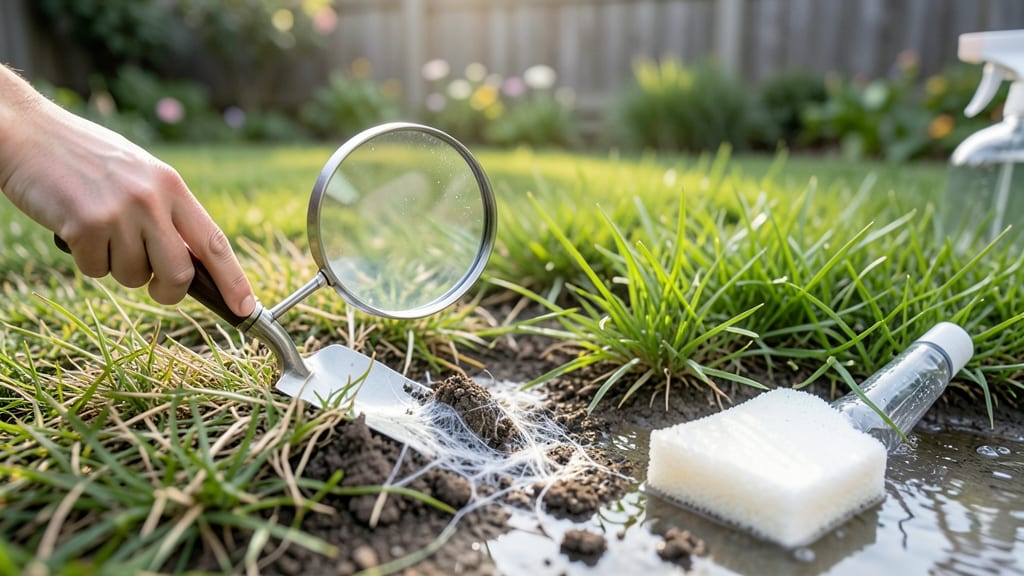
That white fungus in the soil under your lawn isn’t just unsightly—it’s stealing your grass’s life. 🌱 I’ve seen it turn lush lawns into patchy, moldy messes, but there’s a way to reverse it in just 48 hours with the right approach.
The key? Stopping the moisture trap that fuels it and giving your soil room to breathe again.
Most people assume this is just "lawn mold," but it’s often white fungal growth from excess moisture, poor drainage, or thick thatch clogging the roots.
You’ll know it’s serious when you see that musty smell—like a damp basement—along with discolored patches that won’t green up no matter how much you water. The good news? This isn’t a death sentence for your lawn.
By raking out the thatch, improving airflow, and adjusting your watering schedule, you can starve that fungus out fast. Within two days, you’ll see fresh green shoots pushing through, and your lawn will look like it did before the problem started.
The secret? Treat the soil, not just the grass.
This method works for all lawn types, from cool-season grasses to warm-season varieties. Whether you’ve got a small patch or a whole yard struggling, the same principles apply—just scale up the effort. Let’s get that soil healthy again!
Understanding The Root Causes
That mysterious white fungus creeping under your lawn isn’t just a random nuisance—it’s a symptom of deeper soil health issues. Whether it’s sclerotia (compact fungal structures), mold, or even mycelium from decomposing organic matter, these signs point to imbalances in your lawn’s ecosystem.
Let’s break down the most common triggers and why they create the perfect breeding ground for fungal growth.
Fungi thrive in damp, oxygen-starved conditions—think of them as aquatic opportunists. If your lawn retains too much moisture, whether from poor drainage, excessive watering, or heavy clay soil, you’re essentially creating a fungal paradise. Here’s why:
- Lack of oxygen: Waterlogged soil displaces air, suffocating beneficial microbes and encouraging anaerobic (oxygen-free) environments where fungi like Rhizoctonia or Pythium flourish.
- Organic buildup: Excess moisture slows decomposition, leaving behind a buffet of half-rotted grass clippings, leaves, and thatch—ideal food for mold and sclerotia.
- Cool, humid climates: Fungi spread faster in temperatures between 60–85°F, especially when humidity hovers above 70%. If your lawn stays damp overnight, you’re rolling out the welcome mat.
💡 Pro Tip: Test your soil’s drainage by digging a 6-inch hole and filling it with water. If it drains slower than 4 hours, your lawn is at risk. Amend with compost or sand to improve aeration.
Fungi are nature’s recyclers, but when your soil’s nutrient balance tips, they go from helpful to harmful invaders. Two common imbalances set the stage:
| Cause | Why It Fuels Fungi | Signs to Watch For |
|---|---|---|
| Excess nitrogen (from synthetic fertilizers or grass clippings) | Nitrogen-rich soil encourages fast-growing fungi (like Fusarium) that outcompete beneficial microbes. It also weakens grass roots, making them vulnerable to fungal infections. | Yellowing patches, spongy grass, or a sour smell when soil is disturbed. |
| Lack of microbial diversity (over-tilling, pesticides, or compacted soil) | Healthy soil has billions of bacteria and fungi that keep pathogens in check. When these populations crash, opportunistic fungi (like white mold) take over. | Slow grass recovery after mowing, gummy soil residue, or a musty odor. |
🔥 Fix It: Balance nitrogen with potassium and phosphorus (use a slow-release fertilizer like 10-10-10). For microbial boosts, top-dress with compost tea or mycorrhizal fungi supplements.
Physical stress—like foot traffic, heavy machinery, or even grub damage—compacts soil, crushing air pockets and disrupting water flow. Compacted soil is a fungal free-for-all because:
- Reduced aeration: Roots struggle to breathe, creating anaerobic zones where water mold (like Pythium) thrives.
- Poor water drainage: Compacted layers act like a waterproof barrier, trapping moisture at the soil surface—perfect for sclerotia and mold.
- Grass stress: Weakened roots can’t fight off fungal infections, leading to white, cottony growth under the turf.
🌡️ Test for Compaction: Push a screwdriver into the soil. If it stops at 1 inch deep, your lawn is compacted. ✨ Solution: Core aerate in fall or spring to relieve pressure and let oxygen and water penetrate.
Leaves, grass clippings, and even dead roots create a thatch layer that traps moisture and blocks sunlight—two things fungi love. When organic matter piles up:
- Decomposition slows: Without oxygen, matter rots anaerobically, producing ethanol and acids that weaken grass roots.
- Fungi colonize: Species like white mold (Sclerotium) use this debris as a food source, forming visible cottony webs.
- Pests hitch a ride: Grubs and insects thrive in thatch, further damaging roots and inviting more fungal growth.
🔪 Action Step: Dethatch in early spring with a rake or vertical mower. Remove ½-inch layers of thatch to expose soil to air and sunlight.
Fixing Fungal Overgrowth Under Grass
Now that you know why white fungus thrives under your lawn, let’s tackle it with targeted, practical solutions. The key is identifying the root cause (literally and figuratively) and applying the right fix—fast. Below, we’ve mapped common causes to their fixes, plus prevention tips to keep your lawn healthy long-term.
If your soil stays soggy, fungi like Rhizoctonia or Pythium throw a party. Stop the moisture overload with these steps:
🔥 Drainage Rescue: The 48-Hour Plan
- Test Your Soil’s Drainage 🌧️ Dig a 6-inch hole, fill it with water, and time how long it takes to drain. If it’s still wet after 2 hours, your lawn has drainage issues.
- Core Aerate (The Game-Changer) 🪴 Rent a core aerator or hire a pro to pull plugs of soil, creating channels for water and air. Do this in spring or fall for best results.
- Level Low Spots 🏗️ Use a rake or topsoil to fill depressions where water pools.
A slight slope (1/4 inch per foot) helps water flow away from your lawn. 4. Adjust Your Watering 💧 - Morning is key: Water deeply (1–1.5 inches) before 10 AM so grass dries by evening. - Skip daily light sprinkles: Fungi love humidity.
Water 2–3 times per week instead. - Check your sprinklers: Misaligned heads can create soggy patches. Adjust or replace them.
💡 Pro Tip:
If your yard has clay soil, mix in compost or sand (50/50) during aeration to improve drainage. Avoid heavy foot traffic on wet grass—it compacts soil and worsens drainage.
Thick thatch (dead grass layer) and grubs create the perfect fungal buffet. Break the cycle with these steps:
👨🍳 Grub Control: The Two-Step Attack 1. Dethatch Like a Pro ⏰
- Rent a dethatching rake or vertical mower (set to ¼-inch depth).
- Work in small sections, raking only the thatch layer (stop when you hit green grass).
- When to do it: Early spring or late summer, when grubs are active.
- Treat for Grubs (Organic or Chemical) 🔪 - Organic: Apply beneficial nematodes (like Heterorhabditis bacteriophora) or milky spore powder (takes 2–3 years to fully work but lasts decades). - Chemical: Use imidacloprid or chlorantraniliprole granules (follow label rates). Reapply in 4–6 weeks if grubs return.
- Encourage Predators 🐞 - Birds, toads, and ground beetles eat grubs. Install a birdhouse or toad abode to lure them in.
🎯 Prevention Table: Keep Grubs Away
| Action | When to Do It | Why It Works |
|---|---|---|
| Overseed thin lawns | Early fall | Dense grass crowds out grubs |
| Apply corn gluten meal | Early spring | Starves grubs (and weeds!) |
| Mow high (3–4 inches) | Year-round | Shades soil, discouraging grub eggs |
Fungi thrive in warm, damp conditions. If your lawn is in a shady, humid pocket, reduce the fungal feast with these tweaks:
🌿 Shade Management & Airflow
- Prune Overhanging Trees 🌳 Trim branches to let sunlight and airflow reach the soil. Aim for 4–6 hours of direct sun daily.
- Raise Mower Blades 🌱 Taller grass (3–4 inches) shades soil slightly but still allows airflow.
Avoid cutting more than 1/3 of the blade height at once. 3. Use a Fan (Seriously!) 💨 For high-humidity areas, place a solar-powered outdoor fan on a timer to circulate air overnight.
💡 Pro Tip:
If your lawn is consistently damp (e.g., near a pond or sprinkler runoff), consider sand topdressing (mix sand with compost) to improve airflow at the soil level.
Not all fungicides are created equal. Here’s a quick guide:
| Solution | Best For | How to Apply | Safety Notes |
|---|---|---|---|
| Baking Soda Spray | Early-stage fungus (mild cases) | Mix 1 tbsp baking soda + 1 gallon water + a drop of dish soap. Spray in AM. | Safe for pets after drying. |
| Neem Oil | Preventative or light infestations | 2 tbsp neem oil + 1 tsp soap per gallon. Spray until damp. | Reapply every 7–10 days. |
| Copper Fungicide | Severe cases (e.g., snow mold) | Follow label rates; apply in early spring. | Avoid if rain is forecasted. |
| Hydrogen Peroxide (3%) | Spot treatments | 1 part H₂O₂ + 16 parts water. Drench affected areas. | Test on a small patch first. |
✨ Prevention Hack: After treating, water deeply in the morning to help fungicides penetrate and dry by evening.
- Don’t over-fertilize: Too much nitrogen = more fungus food.
Use a slow-release, balanced fertilizer (16-4-8 ratio). - Avoid walking on wet grass: Compacts soil and spreads fungal spores. - Don’t ignore thatch: If it’s over ½ inch thick, dethatch annually. - Skip fungicides as a cure-all: They mask symptoms but don’t fix drainage or grub issues.
To keep white fungus at bay: ✅ Mow high (3–4 inches) in summer. ✅ Aerate and overseed every 1–2 years. ✅ Water early and deeply (1–1.5 inches, 2–3x/week). ✅ Test soil pH (aim for 6.0–7.0; adjust with lime or sulfur). ✅ Rotate fungicides if needed (to avoid resistance).
Final Thought: Fungal issues under your lawn are usually a sign of stress—whether from too much water, grubs, or poor airflow. Fix the cause, not just the symptom, and your grass will bounce back faster than you think! 🚀
Frequently asked questions
Is white fungus in lawn soil always harmful?
Not all white fungal growth is bad! Some fungi are natural decomposers that break down organic matter. The harmful types appear as cottony white mats or musty-smelling patches that weaken grass roots. Focus on removing only the aggressive growth that spreads quickly or causes discoloration.
How do I tell if my lawn has a fungus problem vs. just mold?
True fungal issues show up as fluffy white growth under grass, often with a musty odor. Mold appears as powdery or slimy patches that don't spread vertically. Dig up a small sample: if you see thread-like structures (hyphae), it's fungus needing treatment.
Will fungicides actually fix my lawn's white fungus?
Fungicides only mask symptoms—they don't address the root causes like poor drainage or thatch buildup. For lasting results, combine treatments with core aeration and proper watering schedules. A baking soda spray (1 tbsp/gallon water) works for mild cases but won't replace soil improvements.
Can I still use my lawn after treating white fungus?
Yes, but wait until treatments dry completely (usually 24-48 hours). Avoid heavy foot traffic for 3-5 days to prevent compacting soil and spreading spores. For chemical treatments, keep pets/children off until the product specifies it's safe (usually 24-48 hours).
What's the fastest way to prevent white fungus from coming back?
Improve airflow and drainage immediately: core aerate, dethatch, and adjust watering to morning-only sessions. Add compost to improve soil structure, and mow at 3-4 inches to shade soil slightly. These steps disrupt fungal growth conditions within 2-3 weeks.