
Lawn
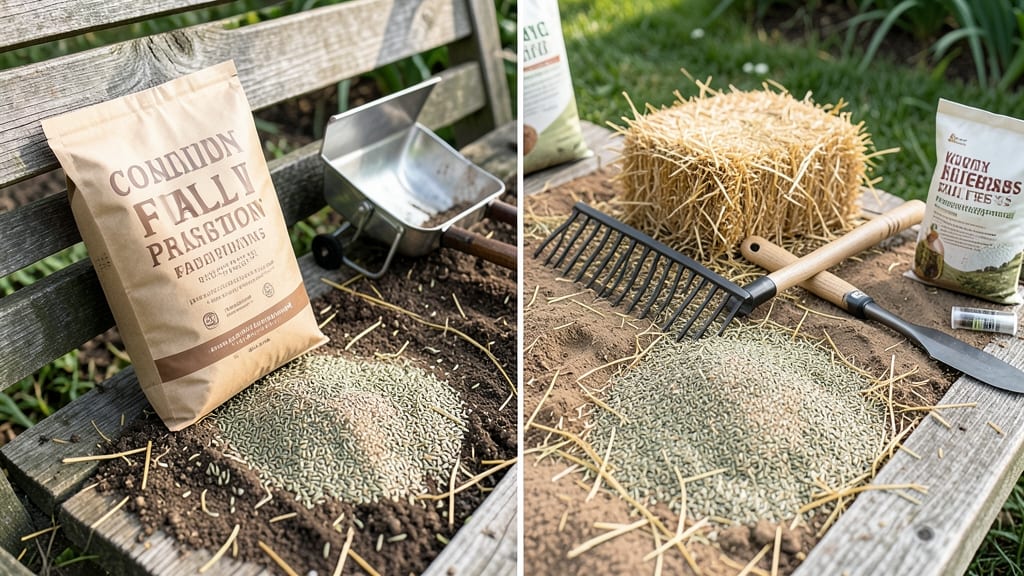
Reseeding lawn in the fall is the best way to get thick, green grass before spring—but timing it wrong can mean wasted effort and patchy results.
Picture this: You’ve spent hours prepping your soil, choosing the perfect seed mix, and even aerating the lawn—only for frost to nip your new grass in the bud before it takes hold. That’s why knowing the exact window for your climate zone is the key to success.
For most of the U.S., mid-September to early October is ideal, when soil temps hover between 50-65°F and days are still warm enough for germination. But in cooler zones like 6a, you might need to start earlier, while southern regions can push it closer to November.
Below, I’ll break down the best timing by zone, how to prep your lawn for maximum success, and the 5 critical mistakes that turn a good reseeding into a costly failure.
Best fall reseeding timeline by USDA climate Zones
Fall reseeding is your golden opportunity to grow a thicker, greener lawn—but the perfect timing depends entirely on your USDA climate zone. In cooler northern regions (Zones 3-6), you want to seed 4-6 weeks before frost, while southern zones (7-10) can extend seeding until late November.
The key? Soil temperatures between 50-65°F—this sweet spot ensures seeds germinate without stress.
Cool-season grasses like fescue, ryegrass, and bluegrass dominate fall planting, but warm-season grasses (Bermuda, Zoysia) can also thrive if you adjust your approach. Southern regions might even overseed warm-season lawns in early fall for winter color.
Let’s break down the month-by-month schedule for each zone to avoid common mistakes like seeding too late or too early.
⚠️ PRO TIP: Always check your local frost dates—they can vary by 2-3 weeks even within the same zone. Use the National Weather Service or Old Farmer’s Almanac for precise timing.
In Zones 3-4, your window is tight—seed by early September to ensure roots establish before winter. I’ve seen tall fescue fail when planted too late because the cold ground slows germination.
For Zones 5-6, aim for mid-September to early October—this is the sweet spot where soil stays warm enough for seeds to sprout but cools just enough to prevent summer stress.
Southern zones (7-10) offer more flexibility. In Zone 8, you can seed until mid-November, but avoid Bermuda grass reseeding after October 1—it needs time to harden off. Meanwhile, Zones 9-10 can seed year-round, but fall is ideal for ryegrass overseeding to outcompete weeds during winter.
One critical mistake I see? Waiting until after the first frost. Seeds won’t germinate in frozen soil, and you’ll waste money. Instead, use a soil thermometer ($10 at garden centers) to confirm temps are in the 50-65°F range before seeding.
Pro tip: Morning soil temps are usually 5-10°F cooler than afternoon—check early!
For warm-season grasses like Zoysia, fall reseeding works by letting new seedlings establish while the parent grass goes dormant. In Zone 9, I’ve had success seeding ryegrass over Bermuda in November—it greens up early in spring before the Bermuda wakes.
Just mow low before seeding to expose soil.
Finally, northern vs. southern prep differs. Northern lawns need extra aeration to break compacted soil from winter freeze-thaw cycles. Southern lawns? Focus on weed control before seeding—crabgrass and clover thrive in warm fall soil. Always test your soil pH (ideal: 6.0-7.0) and amend with lime or sulfur as needed.
Ready to reseed? Grab your soil thermometer, check your zone, and mark your calendar. A thick, green lawn starts with the right timing—and now you’ve got the exact schedule to make it happen. 🌱
5 Critical signs your lawn needs fall reseeding (and how to fix it)
Is your lawn showing signs of struggle? Fall reseding can restore its health, but first, you need to diagnose the problem. Thin patches, bare spots, or weed invasion often signal it's time to act.
These issues don't just harm aesthetics—they let weeds take over and weaken your grass's ability to recover from winter. The good news? Fall is the best time to address these problems before cold weather sets in.
Before rushing to buy seed, check if your lawn needs full reseding or just overseeding. Overseeding spreads seed over existing grass to fill thin areas, while reseding means removing dead grass and starting fresh.
Knowing the difference saves time and money. Let’s explore the top 5 signs your lawn needs attention—and how to fix them the right way.
- 📅 Soil Temp Check: Wait until soil temps drop to 50-65°F (use a soil thermometer). Northern regions: aim for late August to mid-September. Southern regions: September to early October.
- ⏳ Frost Window: Seed 4-6 weeks before the first frost. This gives roots time to establish before dormancy. Example: In USDA Zone 6, seed by October 1st.
- 🌱 Grass Type: Cool-season grasses (fescue, ryegrass, bluegrass) thrive in fall. Warm-season grasses (Bermuda, Zoysia) should be overseeded in late summer instead.
- 💧 Watering Prep: Water deeply 2-3 days before seeding to soften soil. Keep soil moist (not soggy) for 14-21 days post-seeding.
- 🌿 Prep Steps: Mow short (1-1.5 inches), remove debris, and aerate 2-3 days before seeding. Apply starter fertilizer with high phosphorus for root growth.
First, look for thin or bare patches larger than a dinner plate. These spots often appear after summer stress or pet damage. If over 50% of your lawn is thin, full reseding is the solution.
For smaller areas, spot-treat with overseeding or sod patches. Pro tip: Walk your lawn in the morning when dew is present—bare spots will show up more clearly.
Next, watch for weed invasion, especially crabgrass or clover. Weeds thrive in weak grass, signaling poor soil health or compacted soil. If weeds cover 20% or more of your lawn, reseding combined with pre-emergent herbicide in early spring will help.
Test your soil first—low nitrogen or pH imbalances (below 6.0) can worsen the problem.
Don’t ignore moss growth, which often appears in shady, damp areas. While moss itself isn’t harmful, it chokes out grass and indicates poor drainage or acidic soil.
Reseeding alone won’t fix moss—you’ll need to improve drainage, add lime to raise pH, and choose shade-tolerant grass seed like fine fescue. Combine this with overseeding for best results.
Finally, check for soil compaction by pressing a screwdriver into the ground. If it won’t go in 3 inches deep, your lawn is compacted, making it hard for new seeds to root.
Fix this by aerating before seeding. For severe compaction, rent a core aerator or hire a pro. Pair aeration with topdressing (a mix of compost and sand) to improve soil structure.
Ready to act? Start with a soil test ($15-$20 at garden centers) to check pH and nutrient levels. Adjust as needed, then follow the fall reseding timeline above. With the right prep, your lawn will bounce back stronger than ever by spring. 🌱