
Lawn
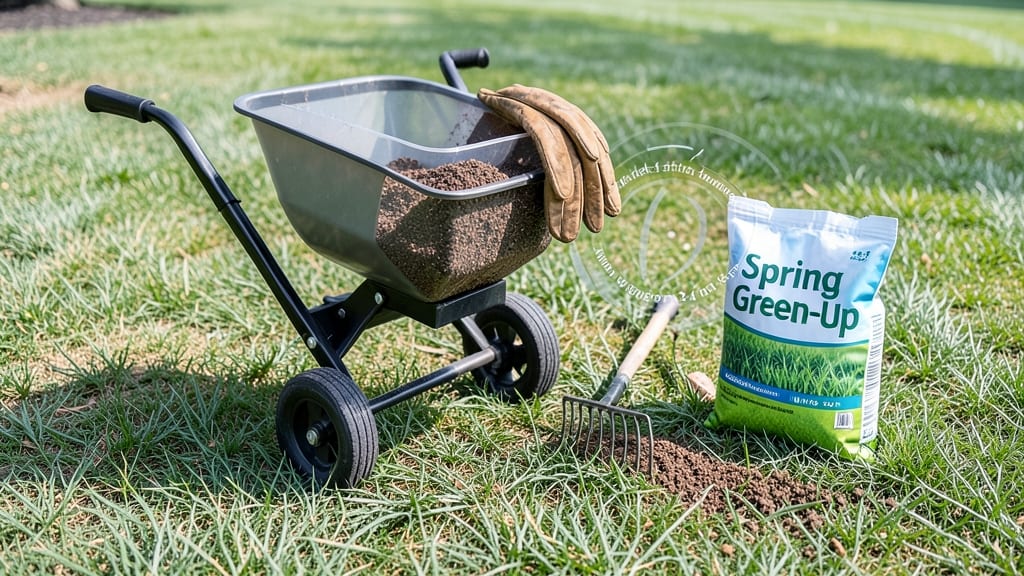
To first fertilize lawn in spring, wait until grass shows signs of green-up—usually between early March and mid-April in most regions—but adjust for cool-season grasses (late winter) or warm-season grasses (late spring). Soil temperature and local climate zones also determine the best timing for optimal nutrient absorption and growth.
Timing matters because grass roots become active when soil hits 40-50°F for cool-season types (like fescue or Kentucky bluegrass) or 60°F+ for warm-season grasses (like Bermuda or Zoysia). 🔥 In colder climates, applying fertilizer too early can burn tender new growth, while waiting too long in warm zones risks missing the early growth window.
I always check soil temperature with a simple probe—it’s the best way to avoid guesswork and ensure your lawn gets the nutrients when it needs them most.
Your local climate zone plays a bigger role than you might think. For example, Northern states should fertilize in late winter to early spring, while Southern regions may wait until late spring after the last frost.
Even within the same state, microclimates (like shaded vs sunny areas) can shift the ideal window by weeks. Pro tip: If you’re unsure, split your fertilizer into two applications—half now and half in 6-8 weeks—to cover any timing uncertainties.
💡 In This Article
- How Soil Temperature and Grass Type Affect Fertilizing Schedule
- Step-by-Step Guide to Spring Lawn Fertilizing by Region
How soil temperature and grass type affect fertilizing schedule
Grass roots only absorb nutrients effectively when soil temperatures reach specific thresholds. For cool-season grasses like Kentucky bluegrass or fescue, roots become active at 40-50°F, which is why fertilization should begin when soil hits this range—usually late winter to early spring.
Warm-season grasses like Bermuda or Zoysia, however, need soil temperatures above 60°F before they can utilize nutrients, delaying fertilization until late spring or early summer. This difference occurs because cool-season grasses have evolved to thrive in cooler climates, while warm-season types require heat to trigger growth.
The science behind this involves root respiration rates. At lower temperatures, grass roots slow down their metabolic processes, making them less capable of absorbing nitrogen and other essential nutrients. When soil warms, root cells increase their activity, creating a "hungry" state that maximizes nutrient uptake.
Think of it like a car engine: it needs the right temperature to run efficiently. Applying fertilizer too early can actually burn tender new shoots because the grass can't process the nutrients yet—this is why many lawn care experts recommend waiting until you see 10-25% green-up in your lawn.
Your local climate zone further refines this timing. In the USDA Zones 3-5 (northern regions), soil may stay below 50°F until April, while Zones 7-10 (southern regions) can reach 60°F+ as early as February. Even within the same zone, microclimates matter: south-facing slopes warm faster than shaded areas.
For example, Bermuda grass in Florida may need fertilization by March 15, while the same grass in Texas might wait until April 1 due to cooler coastal breezes. Always test soil temperature at 4-inch depth—surface temps can be misleading.
Grass species also play a critical role. Kentucky bluegrass, for instance, has deep roots that require consistent moisture and nutrients, making early spring fertilization crucial. In contrast, Bermuda grass has shallow roots and thrives in heat, so it doesn’t need early-season feeding.
Here’s a quick comparison: cool-season grasses like tall fescue need 0.5-0.75 lbs of nitrogen per 1,000 sq ft in early spring, while warm-season grasses like centipede grass can wait until late May for their first feeding. 🌱
What most people don’t realize is that fertilizer type also interacts with timing. Slow-release fertilizers (like those with sulfur-coated urea) are ideal for cool-season grasses in early spring because they provide a steady nutrient supply as roots wake up.
Quick-release fertilizers (like ammonium sulfate) work better for warm-season grasses in late spring when rapid growth is needed. The key is matching the fertilizer’s release rate to your grass’s natural growth cycle—this ensures nutrients are available exactly when the grass needs them most.
Finally, consider your lawn’s health history. Over-fertilized lawns in previous years may need a lighter touch, while thin or patchy areas benefit from a slightly earlier application. Always follow the 3-1-1 rule: 3 parts water to 1 part fertilizer to 1 part soil in your mix.
This balance prevents runoff and ensures nutrients reach the roots where they’re needed. 💡