
Lawn
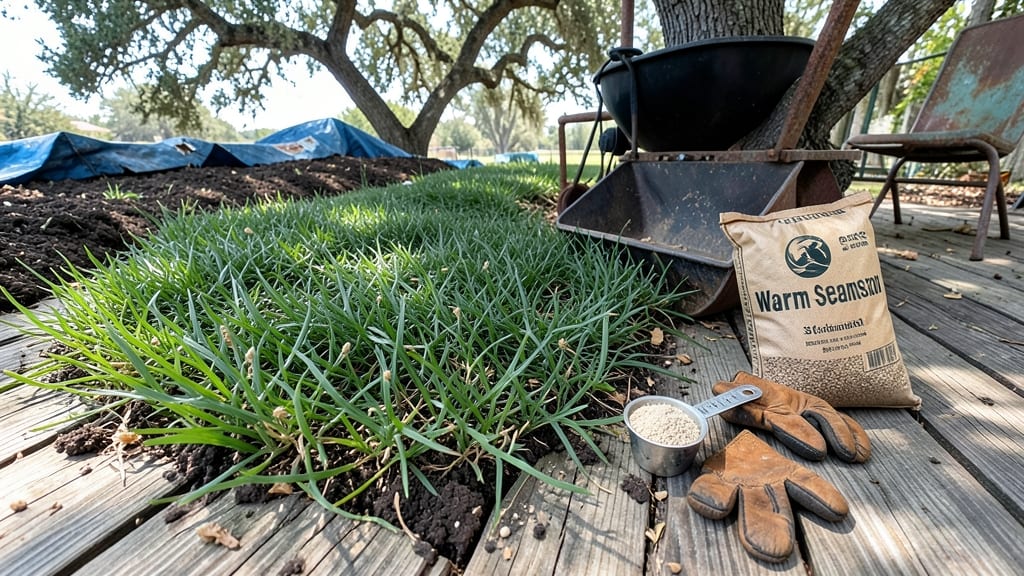
Fertilizing your lawn in South Texas at the right time is the key to beating the heat and keeping your grass thriving year-round 🌱.
South Texas summers are brutal—scorching heat, drought conditions, and relentless sun can turn your lawn from lush green to crispy brown faster than you can say 'hurricane season.' But timing your fertilization just right can make all the difference between a struggling yard and a thriving oasis.
Most homeowners make the mistake of fertilizing too late in the summer or too early in the spring, which can stress your grass instead of helping it. The best months to fertilize are actually in the cooler seasons—spring and fall—when your lawn can absorb nutrients without burning under the sun.
In this guide, I’ll break down the optimal schedule for Bermuda, St. Augustine, and Zoysia grass, plus how to adjust for drought and extreme heat. You’ll learn when to skip fertilization entirely, how to read your lawn’s signals, and the one watering trick that saves 50% more moisture in summer.
Optimal fertilization schedule for South Texas lawns by season
South Texas lawns face unique challenges—triple-digit heat, drought stress, and hurricane season can derail even the healthiest grass. But with the right fertilization timing, you can keep your Bermuda, St. Augustine, or Zoysia thriving year-round.
The key is aligning feedings with your grass type’s growth cycle and your local climate zone (Coastal Bend, Hill Country, or Rio Grande Valley).
Warm-season grasses like Bermuda and Zoysia dominate South Texas lawns because they handle heat and drought better than cool-season varieties. However, their growth peaks shift with the seasons—meaning fertilization timing must adapt.
For example, St. Augustine, while heat-tolerant, struggles when temps exceed 95°F without shade. Meanwhile, Bermuda grass goes dormant in winter but revives aggressively in spring.
Here’s the seasonal breakdown for fertilizing, tailored to South Texas’s three distinct climate zones. Use this as your guide to avoid burn risks, wasted nutrients, and stressed grass.
Spring is your most critical fertilization window in South Texas. For Bermuda and Zoysia, start feeding in
How to adjust fertilizer type for South Texas heat and drought
South Texas heat can burn grass roots faster than you can say "100-degree afternoon." That’s why choosing the right fertilizer type is just as critical as when you apply it. Quick-release fertilizers might seem like a fast fix, but they can overwhelm heat-stressed grass and cause brown patches.
Instead, I focus on slow-release formulas that feed my lawn steadily without shocking the system.
For my Bermuda or St. Augustine grass, I always look for low-nitrogen, high-potassium blends (like 16-4-8 or 10-10-10) during summer months. Too much nitrogen in extreme heat leads to leaf burn and wasted resources.
Micronutrients like iron and zinc also help grass recover from drought stress—I add them as a foliar spray when temps hit 95°F+.
The pros cons box below breaks down when to use quick-release vs. slow-release fertilizers in South Texas, plus how to avoid common mistakes like over-fertilizing during drought or choosing the wrong NPK ratio for your grass type.
Quick-Release Fertilizers
- ✅ Fast results (ideal for spring green-up)
- ✅ Budget-friendly for large lawns
- ❌ Burn risk in 90°F+ heat
- ❌ Requires frequent reapplication
Slow-Release Fertilizers
- ✅ Drought-resistant (feeds gradually)
- ✅ Reduces burn in extreme heat
- ✅ Longer-lasting (3-6 months)
- ❌ Higher upfront cost
- ❌ Slower initial growth
I also avoid fertilizers with high urea nitrogen (like 46-0-0) in summer—it converts to ammonia and burns grass blades under direct sun. Instead, I opt for sulfur-coated urea or polymer-coated fertilizers, which release nutrients slowly and safely.
For drought-prone areas, I add gypsum or humic acid to improve soil moisture retention.
One trick I’ve learned? Water deeply before fertilizing—this helps nutrients penetrate the soil without evaporating. After application, I water again in the early morning to activate the fertilizer and prevent salt buildup. This routine has kept my St. Augustine lawn vibrant even during 100°F heatwaves.
If your grass looks thin or yellow despite regular watering, it might need a soil test to check for micronutrient deficiencies. I test my soil every 2-3 years and adjust my fertilizer blend based on the results—especially for iron or manganese, which help grass resist heat stress.
Remember, the goal in South Texas isn’t just to feed your lawn—it’s to build resilience against heat and drought. Choosing the right fertilizer type now means less work (and fewer brown patches) later when summer hits. 🌱