
Lawn
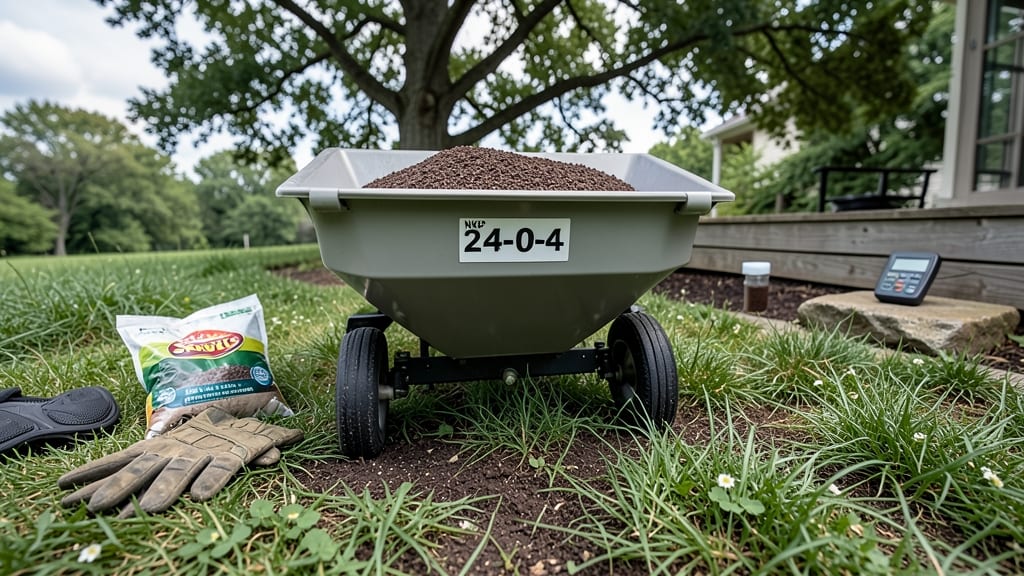
Fertilizing your Ohio lawn at the right times—spring and fall—is the secret to a thick, green carpet that survives the state’s humid summers and freezing winters.
Picture this: You’ve just spent $50 on fertilizer, spread it carefully, and two weeks later, your grass looks worse than before. That’s what happens when you fertilize at the wrong time—whether it’s too early in the spring or too late in the fall.
Ohio’s 6a climate zone means the window for feeding is narrow, and missing it can leave your lawn struggling.
Most gardeners focus on spring feeding, but fall fertilization is where the magic happens for Ohio’s bluegrass and fescue. A well-timed fall application strengthens roots, helps grass recover from summer stress, and sets it up to outperform neighbors’ lawns next spring.
The key? Knowing when to feed—and what to feed—depends on whether you’re dealing with the cool-season fescue or the hardy bluegrass.
In this guide, I’ll break down the exact schedule for spring and fall feeding, including soil temperature triggers, the best fertilizer types for Ohio’s clay-heavy soils, and how to adjust for microclimates like Toledo’s wetter springs or Columbus’s hotter summers.
Skip the guesswork and get a lawn that stays lush year-round.
Ohio lawn fertilization timeline: spring feeding schedule for bluegrass & fescue
Ohio’s spring lawn care begins in early March when soil temperatures start climbing above 40°F. For bluegrass and fescue, timing your first fertilizer application correctly is critical—too early risks burning grass still recovering from winter, while waiting too long delays vital growth.
The key is watching for soil temperature triggers and grass growth signals like new shoots emerging.
Start with a soil test to check pH (ideal: 6.0-7.0 for Ohio lawns). If your soil is acidic, apply lime in late winter (February) to adjust before spring feeding.
This step prevents nutrient lockout and ensures your nitrogen-based fertilizer works efficiently. Skipping this can lead to yellowing grass despite proper fertilization.
Here’s your Ohio spring fertilization timeline, broken down by grass type and soil conditions:
| Task | Timeframe | Grass Type | Soil Temp Trigger | Notes |
|---|---|---|---|---|
| Soil Test | Late February | All | N/A | Check pH; amend if needed |
| Apply Lime (if acidic) | Late February | All | N/A | 10-20 lbs per 1,000 sqft |
| Pre-Emergent Herbicide | Early April | Bluegrass | 50°F+ soil | Prevents crabgrass; wait 2 weeks before fertilizing |
| Starter Fertilizer | Mid-April | New Seedlings | 55°F+ soil | High phosphorus (5-10-5 ratio) |
| First Spring Feeding | Late April | Bluegrass/Fescue | 60°F+ soil | 24-0-5 or 30-0-4; 1 lb per 100 sqft |
| Second Feeding | Early June | All | 65°F+ soil | Slow-release nitrogen; avoid summer heat |
Your first spring feeding should happen when soil temperatures consistently stay above 60°F—typically late April in most of Ohio. Use a high-nitrogen fertilizer (like 24-0-5) to promote leafy growth.
For bluegrass, apply 1 lb of fertilizer per 100 sqft; fescue needs slightly less (0.75 lb per 100 sqft) due to its slower growth rate.
Avoid fertilizing if rain is forecasted within 24-48 hours, as runoff wastes nutrients and can harm local waterways. Instead, water your lawn deeply before applying fertilizer to help granules penetrate the soil.
This step is especially critical in Ohio’s clay-heavy soils, which can crust over and prevent proper absorption.
For overseeding (common in late spring for fescue), wait until after your second feeding in early June. This timing ensures new grass seedlings aren’t competing with established plants for nutrients. If you’re aerating your lawn, do it 2-3 weeks before fertilizing to allow soil recovery.
Common mistakes to avoid: Applying pre-emergent herbicide too early (before 50°F soil) or too late (after crabgrass germinatescool spring weather, which stresses grass. Always follow the 3-1-1 rule: 3 parts nitrogen, 1 part phosphorus, 1 part potassium for general lawn health.
Monitor your lawn’s response after fertilizing. Dark green color and vigorous growth indicate success, while yellow tips or brown patches signal over-application or drought stress.
Adjust your schedule based on Ohio’s microclimates—northern areas (like Toledo) may need to delay by 1-2 weeks compared to southern regions (like Columbus).
After your second feeding in early June, shift to a slow-release fertilizer to prevent summer burn. This is especially important as Ohio’s temperatures rise, and grass growth slows in the heat.
Pair this with regular mowing (never removing more than 1/3 of blade height) to maintain a healthy lawn through the summer months.
🌱
Fall fertilization for Ohio lawns: why late summer to early winter matters more than spring
Ohio’s cool-season grasses like tall fescue and Kentucky bluegrass rely on fall fertilization more than spring applications. While spring kickstarts top growth, fall feeding strengthens root systems and boosts winter hardiness—critical for surviving Ohio’s harsh winters.
Research shows fall-applied nitrogen can increase root growth by up to 30% compared to spring-only feeding.
A common misconception is that grass stops growing in fall, but cool-season grasses remain active until first frost. This means they can still absorb nutrients to prepare for winter dormancy.
Ohio’s microclimates (like Toledo’s wetter conditions vs. Columbus’s drier air) further complicate timing, but the general rule is to fertilize when daytime temps stay above 50°F but nights dip below 60°F.
For tall fescue, a late-summer application (August-September) provides the best results, while bluegrass benefits from a September-October feeding. The key is balancing nitrogen for growth with potassium for cold resistance. A 24-0-10 or 20-0-10 ratio works well for Ohio lawns.
| Grass Type | Best Month to Fertilize | Key Nutrient Focus | Microclimate Adjustment |
|---|---|---|---|
| Tall Fescue | Late August - Early September | Nitrogen (24-0-10) | Toledo: Shift to September (drier soil) |
| Kentucky Bluegrass | Mid-September - Early October | Nitrogen + Potassium (20-0-10) | Columbus: Stick to September (warmer microclimate) |
| Both Grasses | Late October (Light Application) | Potassium (0-0-30) | Northern Ohio: Avoid after first frost |
After fertilizing, water deeply to activate nutrient uptake. Avoid applying fertilizer when rain is forecasted within 24-48 hours, as this can leach nutrients away. For Ohio’s clay-heavy soils, consider a slow-release fertilizer to prevent runoff and ensure steady nutrient delivery throughout the fall.
Fall fertilization isn’t just about aesthetics—it’s about long-term lawn health. Grass with strong roots resists disease, recovers faster from winter stress, and greens up earlier in spring. In Ohio, where winters can be brutal, this one seasonal adjustment makes all the difference in your lawn’s resilience.
Don’t forget to mow one last time before winter (when grass reaches 3-4 inches) to remove thatch and improve nutrient absorption. This simple step, combined with proper fall feeding, sets your Ohio lawn up for success in the coming year.