
Lawn
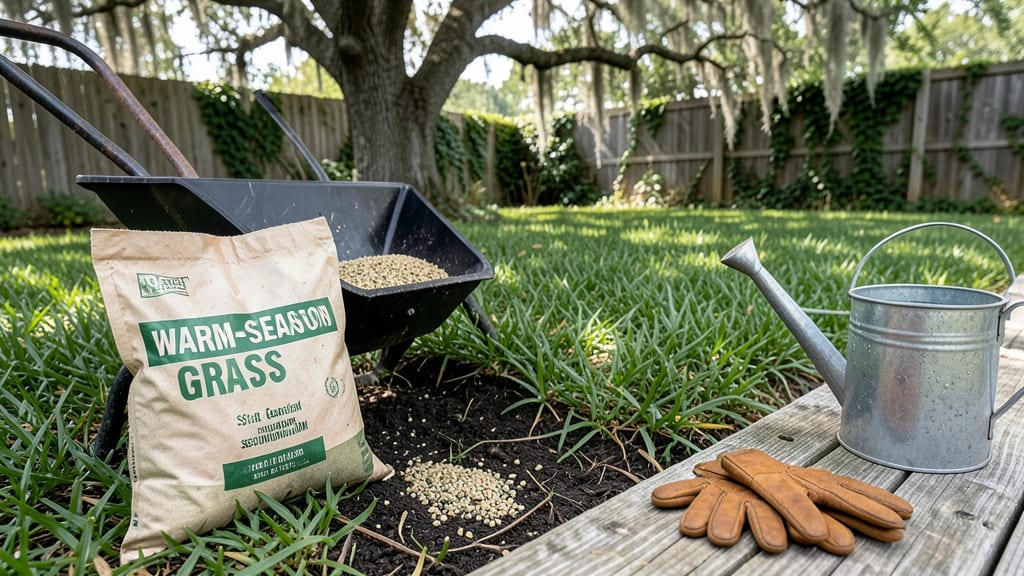
Fertilizing your lawn in Louisiana at the right time means the difference between a lush, green carpet and a patchy, struggling mess under the heat.
Louisiana’s scorching summers and humid climate demand a precise fertilization schedule to keep your lawn thriving without burning it—timing is everything for heat-tolerant grass growth.
Most homeowners in zones 8a-9b make the mistake of fertilizing during peak summer, which can shock the grass and invite pests. Instead, the best months are early spring and late summer, when the roots have energy to absorb nutrients without stress.
Below, I’ll break down the exact schedule, the fertilizers that work best for Louisiana’s soil, and how to avoid common pitfalls like overwatering or choosing the wrong NPK ratio.
Optimal fertilization timeline for Louisiana lawns by season
Louisiana’s unique climate—with its humid heat and long growing season—means your lawn’s fertilization schedule must adapt to both North Louisiana’s cooler winters and South Louisiana’s intense summers. Missing the window for nitrogen-rich feeds can leave your grass thin, while over-fertilizing in summer can burn delicate roots.
The key? A seasonal approach tailored to your grass type, whether it’s Bermuda, St. Augustine, or Zoysia.
Timing isn’t just about months—it’s about grass growth cycles. St. Augustine, for example, thrives with spring and fall feedings, while Bermuda grass can handle light summer applications if done carefully.
Below, I’ve broken down the best months for pre-emergent, slow-release, and nitrogen-heavy fertilizers, plus how to adjust for Louisiana’s two distinct climate zones.
Pro Tip: Always water deeply before and after fertilizing to help nutrients absorb and prevent burn risks. Early morning applications are ideal—this gives the grass time to metabolize nutrients before the midday heat sets in.
| Season | Grass Type | Fertilizer Type | Best Months | Key Notes |
|---|---|---|---|---|
| Early Spring | St. Augustine, Bermuda, Zoysia | High-Nitrogen (16-4-8) | March-April | Promotes root growth; avoid if frost is likely |
| Late Spring | All Types | Slow-Release (30-0-4) | May | Prevents summer burn; water thoroughly |
| Summer | Bermuda, Zoysia | Light Nitrogen (10-0-10) | June-July (early morning) | Only for drought-resistant grasses; avoid St. Augustine |
| Early Fall | All Types | Balanced (12-12-12) | August-September | Strengthens roots for winter; apply before heat spikes |
| Late Fall | St. Augustine, Bermuda | Winterizer (High Potassium) | October-November | Boosts cold tolerance; stop by December |
🌱 Note: North Louisiana (cooler winters) can fertilize 1 month later than South Louisiana.
For North Louisiana homeowners, where winters dip below 40°F, delay spring fertilization until mid-April to avoid frost damage. Conversely, South Louisiana’s heat means you’ll want to skip summer fertilizing for St. Augustine entirely—this grass goes dormant in extreme heat, and feeding it can stress the roots further.
If you’re dealing with Bermuda grass, the June-July window is your only chance for summer feeding—but only if temperatures stay below 95°F. Use a slow-release formula and apply it before 8 AM
Signs your Louisiana lawn needs fertilizer (and when to avoid it)
Your Louisiana lawn speaks volumes through its color, texture, and growth patterns. Yellowing patches or thin, patchy areas are classic signs your grass is starving for nutrients like nitrogen or potassium. Since Louisiana’s heat and humidity accelerate nutrient depletion, these signs often appear faster than in cooler climates.
Don’t confuse nutrient deficiency with drought stress, though—both cause wilting, but drought-stressed grass recovers with water while nutrient-deficient grass needs fertilizer.
Another red flag is slow growth or stunted blades, especially if your neighbors’ lawns are thriving. Louisiana’s St. Augustine and Bermuda grass varieties demand consistent feeding to maintain their lush appearance.
If your grass feels spongy or weak underfoot, it’s likely suffering from a lack of essential nutrients. Test your soil first—Louisiana’s acidic soils often need lime or phosphorus adjustments before adding fertilizer.
⚠️ callout-warning ⚠️
⚠️ When NOT to Fertilize in Louisiana
- After hurricanes: Wait 4-6 weeks to avoid washing nutrients into storm drains.
- During droughts: Fertilizer burns roots when soil is dry—water deeply first.
- Winter months: Grass goes dormant; fertilizing wastes nutrients and encourages pests.
- Extreme heat (>95°F): Use slow-release only to prevent leaf burn.
Pro Tip: Mow high (3-4 inches) before fertilizing to reduce stress on roots.
Over-fertilizing is just as damaging as under-fertilizing. Brown patches or crunchy grass blades signal fertilizer burn, often from applying too much nitrogen-rich products during summer. Louisiana’s humidity also creates the perfect conditions for algae blooms or fungal growth if phosphorus-heavy fertilizers are overused.
Always follow the 1 lb per 100 sqft rule and water thoroughly after application to help nutrients absorb.
Post-hurricane recovery is a critical time to watch for uneven regrowth. If your lawn recovers in thin stripes where water pooled during storms, those areas may need targeted iron or nitrogen treatments.
Avoid heavy fertilizers immediately after storms—focus on aeration and soil repair first. Louisiana’s clay-heavy soils compact easily after heavy rains, so core aeration before fertilizing can double nutrient absorption.
Don’t ignore increased weed pressure, either. Weak grass invites crabgrass or nutsedge, common invaders in Louisiana lawns. A nutrient-deficient lawn can’t compete, so a balanced fertilizer (16-4-8 NPK) applied in early spring or fall can restore its resilience.
For organic options, try compost tea or fish emulsion—they’re gentler on Louisiana’s delicate ecosystems.
Timing matters most in Louisiana’s climate. Spring (March-April) and fall (September-October) are prime times to fertilize, while summer applications should be slow-release only. Always water before and after to help nutrients reach roots.
If your lawn shows multiple signs (yellowing + slow growth + weeds), it’s time to test your soil and adjust your fertilization plan—don’t guess!