
Lawn
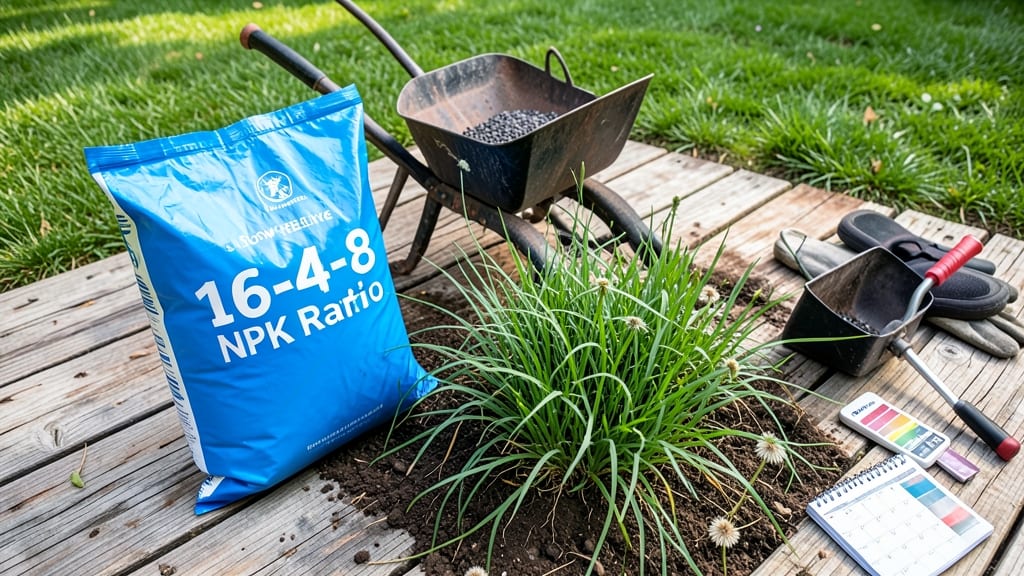
Fertilizing your lawn in Iowa at the right time means the difference between a thin, patchy yard and a vibrant green carpet that’s the envy of the neighborhood.
Iowa’s unpredictable weather can make lawn care tricky—fertilizing at the wrong time wastes money and stunts growth, while perfect timing transforms a dull yard into a lush, envy-worthy green carpet. 🌱
Cool-season grasses like Kentucky bluegrass thrive when fed in early spring and fall, but Iowa’s frost dates (mid-April and mid-October) mean timing matters more than ever. Skip this window, and you risk burning your grass or feeding weeds instead.
In this guide, I’ll break down the exact spring and fall fertilization schedule for Iowa’s climate zones, plus how to choose the right fertilizer and avoid common mistakes that ruin lawns every year.
Iowa’s best fertilization schedule: spring vs fall timing explained
Timing your lawn fertilization in Iowa isn’t just about calendar months—it’s about soil temperatures and grass growth cycles. Cool-season grasses like Kentucky bluegrass and tall fescue thrive when fertilized at specific times, but Iowa’s North vs. South climate zones create slight variations in ideal windows.
Get it wrong, and you’ll waste money or stress your lawn. Let’s break down the science behind spring vs. fall fertilization for Iowa’s most common lawn types.
Iowa’s USDA zones 5a-6b mean soil temperatures are the real clock for fertilization. For spring applications, wait until soil temps reach 50°F (10°C)—typically mid-April in southern Iowa and late April in the north.
Fall fertilization works best when soil temps drop below 60°F (15°C), usually late September to early October. These thresholds ensure nutrients are absorbed efficiently without burning tender grass.
Here’s the golden rule for Iowa lawns: Feed in early spring to jumpstart growth and again in late fall to strengthen roots before winter. This two-step approach aligns with cool-season grass biology, which stores nutrients for spring recovery.
Skipping either window leaves your lawn vulnerable to weeds and thin patches.
Iowa’s climate zones create subtle timing differences. Southern Iowa (Des Moines, Cedar Rapids) can fertilize 1-2 weeks earlier than northern areas (Waterloo, Mason City) due to warmer springs.
Use your last frost date as a guide: fertilize 4-6 weeks before the first frost in fall and 2-3 weeks after the last frost in spring.
The summary-table below compares spring vs. fall fertilization for Iowa’s most popular lawn grasses, including soil temp thresholds, ideal timing, and fertilizer types to maximize results.
| Fertilization Window | Iowa Climate Zones | Soil Temp Threshold | Grass Types | Fertilizer Type | Key Benefit |
|---|---|---|---|---|---|
| Early Spring (April) | South: Mid-April North: Late April |
50°F (10°C) | Kentucky Bluegrass Tall Fescue |
High-nitrogen (20-0-5) | Stimulates early growth |
| Late Summer (August) | South: Early August North: Late August |
60°F (15°C) | All cool-season grasses | Balanced (16-4-8) | Strengthens roots |
| Fall (September-October) | South: Early Oct North: Mid-Oct |
Below 60°F (15°C) | Kentucky Bluegrass Fine Fescue |
Slow-release (24-0-6) | Winter survival boost |
| Avoid | Winter (Nov-Mar) | Below 40°F (4°C) | All grasses | None | Grass is dormant |
For spring fertilization, apply a high-nitrogen fertilizer (like 20-0-5) when soil temps hit 50°F to kickstart growth after winter. This is your lawn’s growth explosion phase—think of it as giving your grass a vitamin shot before weeds take over.
Pair this with a pre-emergent herbicide in early April to block crabgrass and other weeds.
Fall fertilization in late September to early October is often called the "secret weapon" for Iowa lawns. A slow-release fertilizer (like 24-0-6) helps grass store nutrients for spring while strengthening roots. This timing also reduces winter damage by ensuring your lawn enters
How to choose the right fertilizer for Iowa lawns (type + application tips)
Selecting the right fertilizer for Iowa lawns depends on your grass type, soil test results, and seasonal needs. Iowa’s cool-season grasses like Kentucky bluegrass thrive with nitrogen-rich fertilizers, but choosing between slow-release and quick-release options can make or break your lawn’s health.
Let’s break down the best choices for your yard.
First, consider your soil’s current condition. Iowa’s clay-heavy soils often lack organic matter and may need lime or phosphorus amendments. A simple soil test from your Iowa State University Extension office will reveal what’s missing.
For most lawns, a balanced NPK ratio like 16-4-8 or 20-5-10 works well, but adjust based on deficiencies.
Here’s a quick comparison to help you decide:
🌱 Fertilizer Type Comparison
Slow-Release Fertilizers
Quick-Release Fertilizers
Organic Fertilizers
Synthetic Fertilizers
Iowa Tip: Mix organic (like compost or bone meal) with synthetic for balanced nutrition.
For application techniques, always use a broadcast spreader set to the manufacturer’s recommended setting. Calibrate it by spreading fertilizer on a 10’ x 10’ square and adjusting until you get the right coverage.
Apply when your lawn is dry and forecast calls for no rain for 24-48 hours to prevent runoff.
Timing matters too. In Iowa, spring fertilization (April) kickstarts growth, while fall applications (September) strengthen roots before winter. Avoid fertilizing when temperatures exceed 85°F—it stresses grass and promotes weed growth. For weed control, apply a pre-emergent herbicide in early spring before crabgrass germinates.
Don’t forget Iowa-specific amendments. If your soil test shows low pH, add pelletized lime in fall to raise it to the ideal 6.0-7.0 range. For phosphorus-deficient soils, use a bone meal or rock phosphate supplement. Always follow package rates—more isn’t better!
With the right fertilizer type, application timing, and soil amendments, your Iowa lawn will stay thick, green, and resilient all season. Start with a soil test, then match your fertilizer to your grass’s needs—your neighbors will notice the difference! 🌱