
Lawn
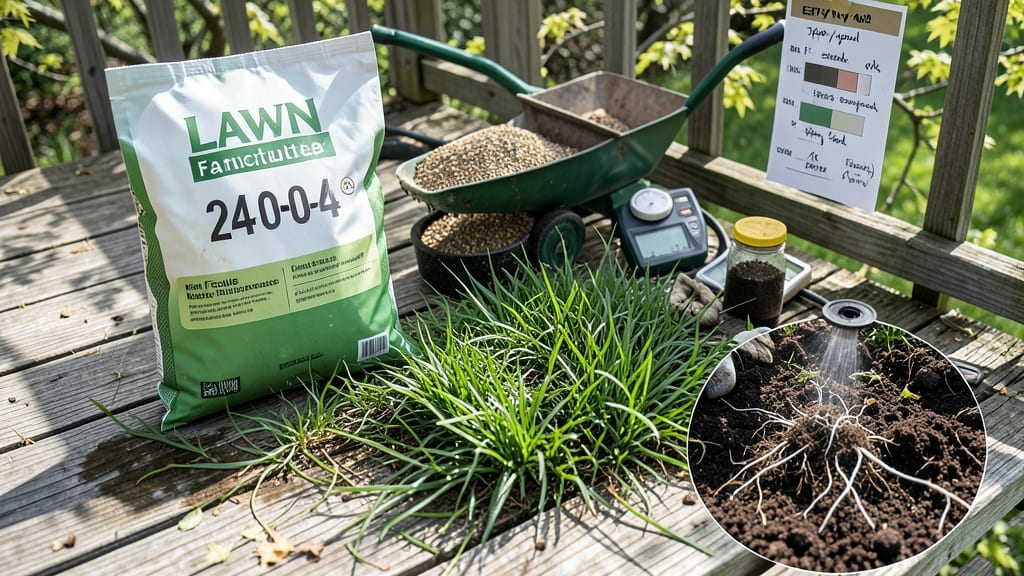
Fertilizing your lawn in Connecticut at the right time is the key to a lush, green yard all season — and skipping or overdoing it can leave you with brown patches or wasted money.
If you’ve ever spread fertilizer in July only to watch your grass turn crispy by August, you know timing matters more than the brand or price tag.
Connecticut’s 5b-6b climate throws off the usual rules: too early, and nutrients wash away in spring rains; too late, and your grass goes dormant before using them.
Here’s the science-backed schedule for CT lawns: when to feed for spring green-up, why fall is the real growth powerhouse, and how to adjust for coastal humidity or inland drought.
You’ll also learn how to spot when your grass is actually hungry (hint: it’s not just about color) and which fertilizer type plays best with CT’s soil — from sandy beaches to clay-rich inland yards.
Optimal fertilization schedule for CT lawns: spring & fall deadlines
Connecticut’s cool-season grasses thrive when fertilized at precise times—missing these windows means weaker roots, patchy growth, or wasted fertilizer. The key is aligning applications with soil temperatures, rainfall patterns, and CT’s USDA Zone 6a-7a climate.
Coastal areas (like New London) stay milder longer, while inland regions (like Hartford) face earlier frosts—adjust your schedule accordingly.
Spring fertilization kickstarts growth after winter dormancy, while fall applications strengthen roots before cold weather. Nitrogen-rich fertilizers should dominate spring, but fall focuses on potassium and phosphorus to harden grass against winter stress.
Pre-emergent herbicides also fit into this timeline—apply them before crabgrass seeds germinate (typically late April to early May).
Here’s the science-backed schedule tailored to CT’s microclimates, with adjustments for coastal vs. inland zones:
For inland CT, aim to finish spring fertilization by early June—this prevents summer heat stress. Coastal areas can extend applications until mid-June thanks to milder temperatures.
Pro tip: Test your soil in early spring (March) to adjust NPK ratios. Sandy soils (common near the coast) drain quickly, so use slow-release fertilizers to prevent runoff.
Fall is critical for winter survival. Apply your final feeding 6-8 weeks before the first frost (typically by October 15 inland or November 1 coastal).
This timing lets grass absorb nutrients without encouraging late-season growth that weakens before winter. Potassium-rich fertilizers (like 10-0-20) help grass resist snow mold and drought stress.
Missed the window? Don’t panic. A light application in early November (if no frost is forecasted) can still benefit roots. However, fertilizing after November 15 inland or December 1 coastal risks burning grass or leaching nutrients into groundwater.
Always water fertilized lawns deeply within 24 hours to activate nutrients and prevent runoff.
CT’s humid summers demand caution: Over-fertilizing in June or July can lead to fungal diseases like brown patch. If your lawn shows signs of stress (yellowing, wilting), pause fertilization and focus on watering deeply instead.
For organic options, compost tea or bone meal in fall mimics synthetic NPK ratios without the risk of burn.
Signs your CT lawn needs fertilizer (and when to skip it)
Your Connecticut lawn sends clear signals when it craves nutrients—or when you’ve overdone it. Yellow patches spreading across your yard are the most obvious warning sign, often indicating a nitrogen deficiency from poor soil or under-fertilization.
Pay attention to slow growth too—if your grass isn’t recovering after mowing or looks thin in spots, it’s begging for a nutrient boost.
But before grabbing that fertilizer bag, check for over-fertilization risks. Dark green grass with a thick, rubbery texture or burnt patches after application means you’ve overfed it. In CT’s humid climate, excess fertilizer can also leach into groundwater or attract pests like chinch bugs, which thrive on over-fertilized lawns.
⚠️ CT-Specific Warning: Skip Fertilizing When...
- Soil is frozen (below 50°F) or black layer forms (common in CT’s late fall)
- Grass shows dormancy signs (grayish color, slow growth despite warm temps)
- Drought stress is present (wilted blades, soil cracks when dry)
- Pests are active (chinch bugs, grubs—fertilizer attracts them!)
Connecticut’s cool-season grasses (like Kentucky bluegrass and tall fescue) need nutrients in spring and fall, but timing is everything. If you see thin, patchy areas that won’t green up by late April, apply a high-nitrogen fertilizer (like 24-0-6) to kickstart growth.
For fall, wait until September-October—this helps roots harden for winter.
Watch for weed surges too. If crabgrass or clover dominates, your lawn may lack phosphorus or potassium. A balanced fertilizer (like 10-10-10) can help, but test your soil first—CT’s sandy coastal soils drain quickly, while clay inland soils may need organic matter to improve nutrient retention.
Never fertilize during drought conditions—even if your lawn looks thirsty. Nutrients won’t absorb properly, and you risk burning grass blades. Instead, water deeply first (1 inch per week) and wait until rainfall returns.
In summer heat, switch to a light feeding (half the usual rate) to avoid stress.
Pro tip: If your lawn has a thatch layer thicker than ½ inch, skip fertilizer until you dethatch first. Thatch blocks nutrients from reaching roots, making fertilization a waste. Use a lawn rake or dethatching tool in early spring before your first feeding.
Listen to your lawn—it’s always talking. Green, resilient grass is your reward for getting the timing right in CT’s ever-changing climate. 🌱