
Lawn
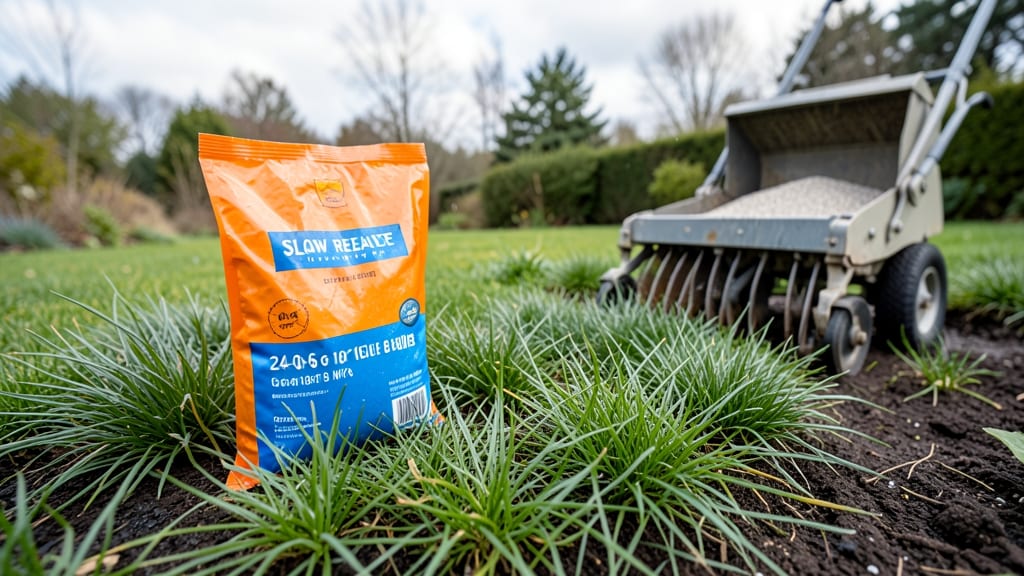
Fertilizing lawn after winter at the right time is the key to a lush, green spring lawn 🌱—wait too long, and you miss the critical growth window when grass wakes up from dormancy.
Picture this: you’ve just mowed your first cut of the season, only to notice patches of brown creeping back in. That’s the sign you applied fertilizer too late—or worse, too early, when cold soil locks up nutrients.
The secret isn’t just when you fertilize, but whether your soil is ready to use it.
In most regions, like USDA Zone 6a, the ideal window opens when soil temperatures hit a steady 50°F—usually mid-March to early April. But southern climates may start earlier, and cool-season grasses like fescue need a slightly different approach than warm-season types.
Below, I break down the exact soil temp check, how to read your lawn’s readiness, and the one mistake that wastes 30% of fertilizer—plus product picks for organic vs. synthetic feed. Ready to feed your lawn the right way?

Optimal soil temperature for fertilizing lawn after winter
After winter's chill, your lawn craves nutrients—but timing is everything. Fertilizing too early can waste precious nutrients, while waiting too long misses the critical growth window. The key lies in soil temperature, which signals when grass roots are ready to absorb nutrients efficiently.
For most lawns, the magic number is 50°F consistently for at least 5-7 days.
This threshold ensures microbes in the soil are active, breaking down fertilizer into forms your grass can use. In northern climates, where winters are harsher, you might wait until late April or early May.
Meanwhile, southern regions can often start fertilizing as early as February, thanks to milder winters and earlier soil warming.
Regional differences matter because soil warms at different rates. For example, USDA Zone 5 (northern states) may see soil hit 50°F by mid-April, while Zone 8 (southern states) could reach the same temperature in February. Always check your local frost dates and historical soil temperature trends to fine-tune your schedule.
| Climate Zone | Ideal Soil Temp | Best Fertilization Window | Grass Type |
|---|---|---|---|
| Northern (Zones 3-5) | 50-55°F (consistent) | Late April - Early May | Cool-season (Fescue, Ryegrass) |
| Mid-Atlantic (Zones 6-7) | 50-55°F (consistent) | Early April - Mid-May | Cool/Warm-season mix |
| Southern (Zones 8-10) | 55-60°F (consistent) | February - Early March | Warm-season (Bermuda, Zoysia) |
| Transition Zones (6-7) | 50°F (minimum) | Late March - Early April | Cool-season dominant |
Cool-season grasses like Kentucky bluegrass and fescue are the most common in northern regions, and they thrive when fertilized at 50°F. These grasses begin actively growing as soil warms, making early spring the perfect time to feed them.
In contrast, warm-season grasses like Bermuda and St. Augustine prefer warmer soil temperatures around 60-65°F, so fertilization should wait until late spring.
Use a soil thermometer to check temperatures at a depth of 4 inches—this is where grass roots are most active. If temperatures fluctuate below 50°F at night, wait a few more days. Fertilizing in cold soil can lead to nutrient runoff, harming local waterways and wasting your investment.
Another key factor is the last frost date in your area. Even if soil temperatures are ideal, a late frost can damage new grass growth stimulated by fertilizer. Always wait at least 2-3 weeks after the last frost before applying fertilizer to avoid stressing your lawn.
For organic fertilizers, the timing window is slightly more flexible because they release nutrients more slowly. However, synthetic fertilizers should only be applied when soil is consistently warm, as they provide an immediate nutrient boost that grass can't use efficiently in cold conditions.
Watch for visual cues too: If your lawn is turning green and growing actively, it’s ready for fertilizer. Dormant grass with brown patches should wait until soil warms further. Pair fertilization with light aeration to help nutrients reach the roots more effectively.
Remember, the goal is to support root growth, not just top foliage. A well-timed spring feeding sets your lawn up for a lush, resilient summer. Once you’ve nailed the soil temperature, move on to proper application techniques to maximize results.
🌱
Step-by-step guide: how to check soil temperature before fertilizing
Before reaching for that bag of spring fertilizer, you need to know if your lawn is truly ready to wake up. Soil temperature is the secret signal telling you when to apply fertilizer—too cold, and nutrients get wasted; too warm, and you risk burning tender grass roots.
For most lawns, the magic number is 50°F or higher consistently for at least 5 days.
Cool-season grasses like Kentucky bluegrass and fescue can handle slightly cooler soils (down to 45°F), while warm-season varieties like Bermuda or Zoysia need soils closer to 65°F to activate growth. Without checking, you might fertilize too early when grass is still dormant, or too late when weeds take over.
Why this matters: Fertilizer applied to cold soil simply sits there, waiting for roots to activate—wasting money and potentially harming microbes. Meanwhile, warm soil triggers rapid growth, but if your grass isn’t ready, you’ll end up with yellow patches or fungal issues from overfeeding. Let’s fix that.
Pro tip: If your lawn is still patchy or slow to green up after fertilizing, it might need aeration first. Compacted soil blocks root access to nutrients, so rent a core aerator or hire a pro to poke 3-4 inch holes every 3-4 inches before reapplying fertilizer.
This simple step can double your lawn’s response to spring feeding.
Remember, patience is key. Rushing to fertilize can do more harm than good—your lawn will thank you for waiting until the soil is truly ready to wake up. Once you’ve nailed the timing, you’ll see lush, vibrant growth that lasts all season.