
Fertilization
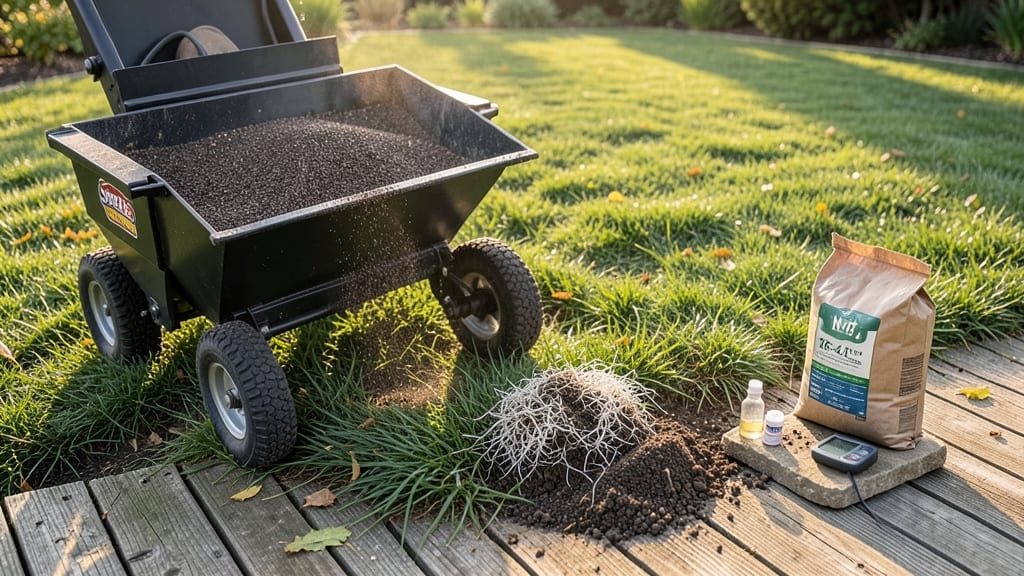
To fertilize a lawn at the right time means catching it when the grass is hungry but not stressed — and missing that window wastes money and weakens your 🌱.
A lush, green lawn doesn’t happen by accident—it requires strategic timing, especially when it comes to fertilizing. Get the schedule wrong, and you’ll waste money, harm your grass, or even invite weeds into the mix.
Spring and fall are the prime opportunities, but the exact timing depends on your grass type. Cool-season grasses like Kentucky bluegrass need feeding in early spring and again in fall, while warm-season types like Bermuda grass thrive with summer fertilizing.
Below, I’ll break down the best months for your region, how to prep your lawn before applying, and the one mistake that ruins even the best fertilizer schedule.
Best fertilizing schedule for lawns by grass type (cool vs warm season)
Your lawn's health depends on understanding its grass type and aligning fertilization with its natural growth cycle. Cool-season grasses like Kentucky bluegrass and fescue thrive in spring and fall, while warm-season grasses like Bermuda and Zoysia peak in summer.
Timing is everything—apply fertilizer when grass is actively growing, not during dormancy.
I’ve seen many gardeners over-fertilize in summer or skip spring feeding, both of which lead to weak lawns. The key is matching your fertilizer applications to your grass’s growth triggers.
For example, cool-season grasses need more attention in early spring and fall, while warm-season grasses respond best to summer feeding.
Here’s a clear breakdown of when to fertilize based on your grass type, including ideal months and growth stages:
| Grass Type | Best Fertilizing Months | Growth Trigger | Fertilizer Type | Notes |
|---|---|---|---|---|
| Cool-Season (Kentucky Bluegrass, Fescue) | March-April September-October |
Spring green-up Fall root strengthening |
High nitrogen (24-0-5) | Avoid summer feeding; grass goes dormant |
| Warm-Season (Bermuda, Zoysia) | May-June July-August |
Summer heat recovery Late-season growth |
Balanced (16-4-8) | Skip winter feeding; grass is dormant |
| Transition Zone (Tall Fescue, Buffalo Grass) | April-May September |
Early spring growth Fall hardening |
Slow-release (20-5-10) | Adjust based on local climate |
For cool-season grasses, I recommend applying two main feedings per year: once in early spring (March-April) to kickstart growth after winter dormancy, and again in fall (September-October) to strengthen roots before cold weather. Use a high-nitrogen fertilizer (like 24-0-5) in spring and a balanced blend in fall.
Warm-season grasses, on the other hand, need summer fertilization to handle heat stress. Start with a light feeding in May-June and follow up in July-August if growth slows. Avoid fertilizing in winter—these grasses go dormant and won’t use nutrients until spring.
One common mistake I see is over-fertilizing in summer for cool-season grasses. This can burn the grass and attract pests. Instead, switch to a light, slow-release fertilizer in late summer to support recovery without stressing the lawn.
If you’re unsure about your grass type, do a simple soil test and observe your lawn’s behavior. Cool-season grasses stay green in fall, while warm-season types turn brown in winter. Adjust your schedule accordingly to keep your lawn thriving year-round.
Pro tip: Always water your lawn deeply after fertilizing to help nutrients absorb into the soil. Early morning is the best time to apply fertilizer—it gives grass time to metabolize nutrients before the heat of the day.
By following this schedule, you’ll avoid wasted money, prevent lawn damage, and create a thicker, greener lawn that stands out in your neighborhood. Happy gardening!
Spring fertilizing tips: how to prep your lawn for peak growth
Spring is the perfect time to give your lawn the boost it needs after winter dormancy. The key to a vibrant, healthy lawn starts with understanding your grass type and soil conditions.
Cool-season grasses like Kentucky bluegrass and fescue wake up early, while warm-season grasses like Bermuda and Zoysia need slightly different timing. Without proper prep, you risk wasting fertilizer or even burning your grass.
Before you even think about applying fertilizer, you need to test your soil. A simple soil test kit (available at garden centers) will reveal your lawn's pH and nutrient levels. Most grasses thrive in a pH range of 6.0 to 7.0.
If your soil is too acidic or alkaline, you'll need to adjust it before fertilizing. For example, a lime application can raise pH, while sulfur lowers it.
When to Fertilize Your Lawn in Spring
- 1
- 2
- 3
- 4
- 5
Use a soil test kit to check pH and nutrient levels. Aim for a pH of 6.0-7.0 for most grasses.
March-April is ideal for pre-emergent to block weeds. Wait 2-4 weeks before fertilizing.
Apply a high-nitrogen fertilizer (24-0-5 or 30-0-4) when grass is actively growing (usually late April to early May).
For cool-season grasses, apply a balanced fertilizer (16-4-8) 6-8 weeks after the first feeding.
Don’t fertilize if soil is frozen or waterlogged. Wait until temperatures are consistently above 50°F.
Choosing the right fertilizer blend is crucial for spring growth. Look for a formula with a higher first number (nitrogen), like 24-0-5 or 30-0-4, to promote leafy top growth. However, avoid overdoing it—too much nitrogen can lead to thatch buildup and weak roots.
For organic options, consider composted manure or fish emulsion, which release nutrients slowly and improve soil health over time.
Timing your pre-emergent herbicide is just as important as fertilizing. Apply it in early spring (March-April) to prevent weeds like crabgrass from sprouting. Wait at least 2-4 weeks before applying fertilizer, as pre-emergent can interfere with nutrient uptake.
If you miss this window, weeds will take over, and your lawn will struggle to compete.
Avoid these spring fertilizing mistakes that can harm your lawn: applying fertilizer when the grass is dormant, using too much at once, or fertilizing in extreme heat. Instead, focus on even distribution and light applications.
Water your lawn deeply after fertilizing to help nutrients penetrate the soil and prevent runoff. Aim for 1 inch of water over 24 hours.
With the right prep, your lawn will reward you with lush, green growth all season long. Start with soil testing, time your applications carefully, and choose the right fertilizer blend for your grass type.
Your lawn’s peak performance begins in spring—and with these steps, you’ll set it up for success. 🌱