
Lawn
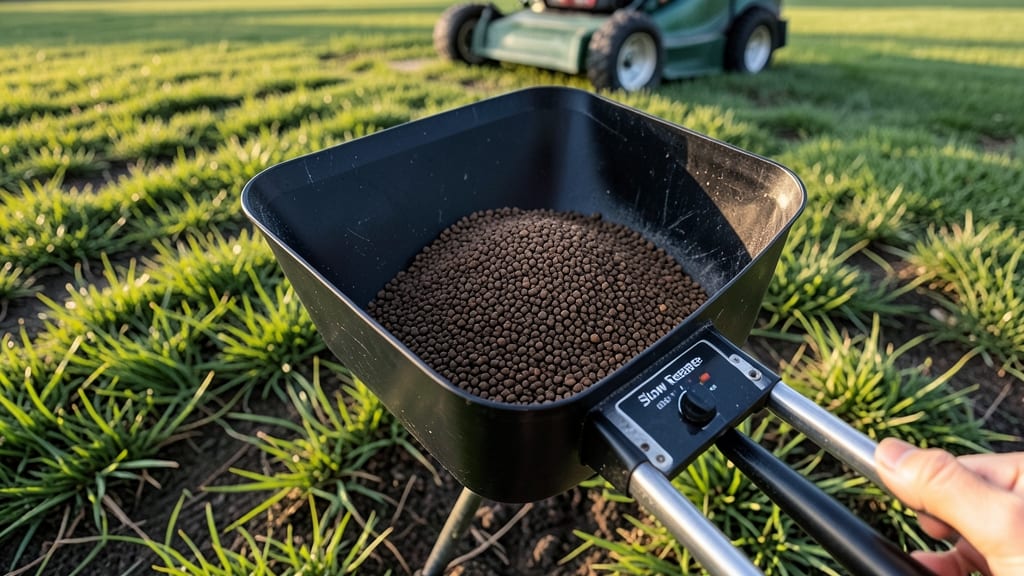
Fertilizing your lawn in Texas at the wrong time can turn your green oasis into a crispy, yellow mess—especially when the heat hits 100°F and your grass is already struggling.
Texas lawns face brutal heat, drought, and soil challenges—fertilizing at the wrong time can waste money, harm grass, or even invite pests. Timing is everything, but with Texas’ diverse heat zones and grass types, figuring out when to fertilize feels like solving a puzzle.
Cool-season grasses like Fescue crave fall feeding, while warm-season varieties like Bermuda or St. Augustine need spring and summer boosts—but the exact months depend on whether you’re in North Texas (8a) or South Texas (10a).
Below, I break down the best months to fertilize by grass type, heat zone, and soil conditions—plus how to avoid common mistakes that leave your lawn looking like a sunburnt desert.
Texas lawn fertilizing schedule by grass type (cool-season vs. warm-season)
Texas lawns thrive on precise timing—fertilize warm-season grasses like Bermuda in spring while cool-season grasses like Fescue need fall feeding. The wrong schedule wastes money, burns grass, or invites weeds. Let’s break down the exact months for each type to keep your lawn lush without stress.
Most Texas lawns fall into two categories: warm-season (thrive in heat) and cool-season (dormant in summer). Warm-season grasses—like Bermuda and St. Augustine—grow fastest in spring and summer, while cool-season Fescue and Buffalo peak in fall and early spring.
Pre-emergent herbicides should also align with these cycles to prevent weeds.
Here’s your month-by-month guide, tailored to Texas’ USDA Zones 8A–10B. Adjust slightly for North vs. South Texas—cooler zones like Lubbock need earlier spring feeds, while Houston’s heat delays summer fertilizing.
| Grass Type | Best Fertilizing Months | Pre-Emergent Timing | Notes |
|---|---|---|---|
| Bermuda | March–May, July–August | Late February–March | High heat tolerance; avoid winter feeding. |
| St. Augustine | March–June, September | Late February–March | Needs frequent light feeds; drought-sensitive. |
| Zoysia | April–June, August–September | Late February–March | Slow-growing; use slow-release fertilizer. |
| Buffalo | March–April, September–October | Late February–March | Drought-resistant; minimal winter feeding. |
| Fescue | September–November, February–March | Late August–September | Cool-season; goes dormant in summer. |
*Adjust 1–2 months earlier for North Texas (cooler zones) or later for South Texas (warmer zones).
For warm-season grasses, start fertilizing in early spring (March) as soil warms to 65°F+. Bermuda and Zoysia love high-nitrogen feeds every 6–8 weeks, but cut back in late summer to avoid fall dormancy. Pre-emergent herbicides should go down in late February–March to block summer weeds like crabgrass.
Cool-season grasses like Fescue and Buffalo need fall fertilization (September–November) to build roots before winter. A light feed in February jumpstarts spring growth. Never fertilize cool-season grass in summer—it’ll burn under Texas heat. Test soil pH first; most Texas lawns need 6.0–7.0 for nutrient absorption.
Pro tip: Use a slow-release fertilizer in summer to prevent nitrogen burn. Water deeply after feeding (1 inch) to help nutrients reach roots. Avoid fertilizing if rain is forecast—runoff wastes money and pollutes waterways. Organic options like compost tea or bone meal work well for cool-season grasses.
Watch for fertilizer burn (yellow patches) after feeding. If your lawn looks stressed, flush soil with water and wait 6–8 weeks before reapplying. Over-fertilizing in summer stresses warm-season grasses, making them vulnerable to chinch bugs and drought.
Always follow the 3-1-1 rule: 3 parts water, 1 part fertilizer, 1 part patience.
Timing isn’t just about months—it’s about soil temperature. Use a soil thermometer: warm-season grasses need 65°F+ soil to absorb nutrients, while cool-season grasses thrive at 50–65°F. In North Texas, fertilize 2–3 weeks earlier than South Texas due to cooler springs.
Adjust pre-emergent timing too—crabgrass germinates at 55°F, so apply herbicides when soil hits that mark.
Finally, don’t forget post-fertilizer care. Mow higher in summer (3–4 inches) to shade roots, and reduce mowing in fall to let cool-season grasses store energy.
Aerate compacted soil in spring or fall to improve nutrient uptake. With this schedule, your Texas lawn will stay green, weed-free, and resilient year-round. 🌱
How Texas heat zones (8A–10B) change your fertilizing timeline
Texas’ heat zones (8A–10B) dictate when to fertilize, but most gardeners don’t realize how drastically timing shifts between regions. A Houston lawn (9A) thrives with spring fertilization in March-April, while El Paso (8A) waits until April-May to avoid scorching.
The difference? Soil temperatures and grass dormancy cycles. In hotter zones, roots absorb nutrients faster, but fertilizing too early can burn tender new growth.
Your USDA heat zone isn’t just about frost dates—it’s about optimal soil temps for nutrient uptake. Grass roots need 60°F+ soil to absorb nitrogen efficiently. In zone 10B (South Texas), soil hits this mark by February, while zone 8A (North Texas) waits until April.
This explains why St. Augustine grass in Austin (9A) gets 3 feedings by June, but Bermuda grass in Lubbock (8A) only needs 2.
| Heat Zone | First Fertilizer | Peak Feeding Window | Last Feeding | Soil Temp Threshold |
|---|---|---|---|---|
| 8A (El Paso, Lubbock) | Late April | May–July | Early August | 65°F+ |
| 9A (Austin, San Antonio) | Early March | April–June | Late July | 60°F+ |
| 10A (Houston, Corpus Christi) | February | March–May | June | 55°F+ |
| 10B (Brownsville, McAllen) | January | February–April | May | 50°F+ |
Drought-prone areas (like West Texas) need adjustments: reduce watering 3 days post-fertilization to prevent nutrient runoff. In East Texas (9A–10A), where humidity slows decomposition, use slow-release fertilizers to avoid algae blooms in nearby waterways.
Always test soil pH—acidic soil (pH <6.0) locks out nutrients, making even perfect timing ineffective.
Pro tip: Use a soil thermometer to check depths. Grass roots absorb nutrients best when soil is 60–75°F. In zone 10B, this happens by January, while zone 8A waits until May.
Mismatch your schedule to these temps, and your lawn will thank you with deeper roots and drought resistance.
Remember: fall fertilization is critical for cool-season grasses (like Fescue), but warm-season grasses (like Bermuda) need spring feedings. Adjust your timeline based on your grass type + heat zone, and you’ll avoid the brown patches that plague mismanaged Texas lawns. 🌱