
Lawn
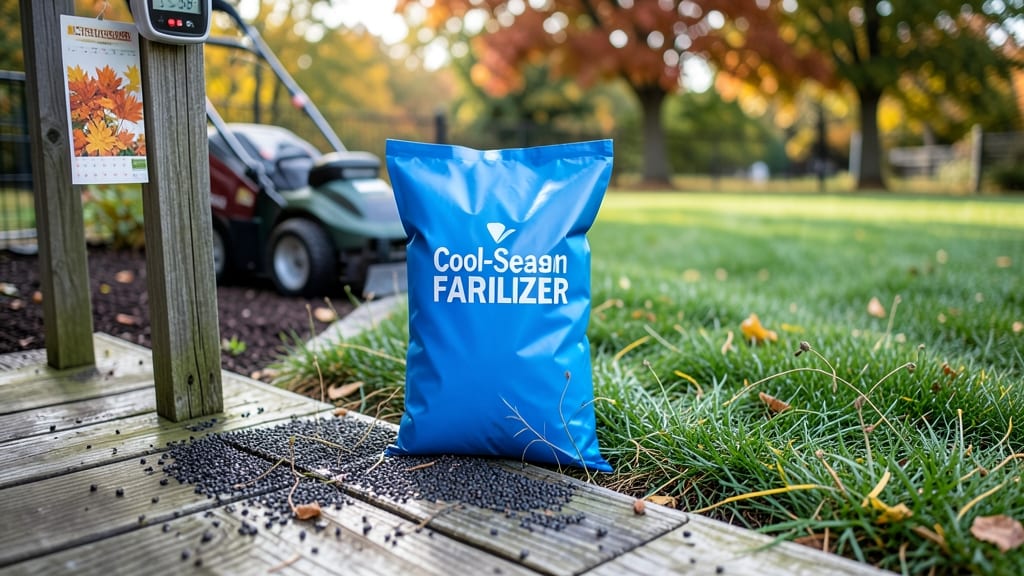
Fertilizing your lawn too late in fall can waste money and stress your 🌱—the cutoff depends on your grass type and local frost dates.
Fall fertilization boosts lawn health, but timing is everything. Apply too late, and you risk wasted money, uneven growth, or even winter damage. Here’s exactly when to stop fertilizing based on your grass type.
Cool-season grasses like fescue and bluegrass need their last feeding 4–6 weeks before frost, while warm-season types like Bermuda grass should stop by early fall. Missing this window can leave your lawn vulnerable to winter stress.
Below, I break down the exact deadlines by grass type, signs your timing is off, and what to do if you’ve already missed the boat.
Fall fertilization deadlines by grass type (cool-season vs warm-season)
Fall fertilization is your lawn’s last chance to build strength before winter—but timing matters more than you think. For cool-season grasses like fescue and bluegrass, late applications can lead to uneven growth or even winter burn.
Meanwhile, warm-season grasses like Bermuda and Zoysia need a different approach entirely. Missing the window means wasted fertilizer and stressed roots.
Your last fertilization date depends on your grass type and local climate. In most regions, cool-season grasses should stop getting fertilizer 4–6 weeks before first frost, while warm-season grasses need to finish by mid-October in warmer zones. Let’s break down the exact deadlines to avoid overdoing it.
| Grass Type | Ideal Fertilization Window | Last Safe Date (Before Frost) | Risk of Late Fertilization | Regional Adjustments |
|---|---|---|---|---|
| Cool-Season Grasses (Kentucky Bluegrass, Fescue, Ryegrass) | Late August to Mid-October | 4–6 weeks before first frost | Uneven growth, winter burn, wasted fertilizer | Early frost zones: Stop by September 15 |
| Warm-Season Grasses (Bermuda, Zoysia, St. Augustine) | Early August to Mid-October | Mid-October (or when temps drop below 60°F) | Stunted growth, fungal risks, root stress | Warmer zones: Extend to November 1 |
| Transition Zones (Mixed climates) | Late August to Early October | 6 weeks before first frost | Conflicting signals for grass dormancy | Check local USDA zone for exact dates |
For cool-season grasses, think of fall fertilization as a root-building session. If you apply fertilizer too close to winter, the grass won’t have time to convert nutrients into stored energy before dormancy.
Aim to finish by October 1 in most of the U.S., but adjust for early frosts—some northern regions need to stop by September 15.
Warm-season grasses, like Bermuda grass, go dormant when temps drop below 60°F. Fertilizing after this point forces the grass to grow when it should be resting, leading to thin patches and fungal issues.
In warmer climates, you might squeeze in a late application by November 1, but avoid it if nights are consistently chilly.
Regional adjustments are key. If you’re in Zone 5 or colder, stop fertilizing by September 1 to avoid winter damage. In Zone 7 or warmer, you can push it to November 15, but monitor nighttime temps.
Use a soil thermometer to track when temps drop below 50°F—that’s your cue to stop.
Pro tip: If you’re unsure about your last frost date, check the National Weather Service or your local cooperative extension service. They provide hyperlocal data that’s far more accurate than generic calendars.
For example, Denver’s first frost often hits by October 10, while Atlanta’s can linger until November 15.
One more thing: If you’re fertilizing too late, you’re not just wasting money—you’re also risking nutrient runoff before winter rains. Always follow the 4-6 week rule before frost, and opt for slow-release fertilizers if you’re cutting it close.
These release nutrients gradually, giving your lawn time to absorb them before dormancy.
Finally, watch for new grass growth after fertilizing. If you see sprouts popping up in late October, you’ve gone too late. At that point, switch to overseeding or soil amendments instead of more fertilizer. Your lawn will thank you next spring.
Signs your fall fertilization is too late (and how to fix it)
Fall is the perfect time to fertilize your lawn, giving grass roots a nutrient boost before winter dormancy. But if you miss the window, your lawn can suffer from uneven growth, wasted fertilizer, or even winter damage.
Knowing the warning signs of late fertilization helps you act fast to protect your lawn.
For most cool-season grasses like fescue and bluegrass, the ideal fertilization window closes around 4-6 weeks before first frost. If you fertilize after this, your lawn may show visible stress. Warm-season grasses like Bermuda or Zoysia shouldn’t be fertilized at all in fall—they go dormant naturally.
⚠️ Too Late to Fertilize? Watch for These Signs
- New grass growth after mid-October (cool-season grasses only)
- Yellowing or thinning patches appearing 2-3 weeks post-fertilization
- Fungal growth (mushrooms or mold) from excess nutrients
- No root development before first frost (check by pulling a small plug)
⚠️ Action Step: If you see these signs, switch to organic matter (compost or mulch) instead of fertilizer.
If you’ve already fertilized too late, don’t panic. Over-fertilization can be fixed by watering deeply (1 inch) to dilute nutrients and aerating the soil to improve root access. For cool-season grasses, a light top-dressing of compost in early fall can still benefit roots without overstimulating growth.
For warm-season grasses, late fertilization is especially risky—it can delay dormancy and leave grass vulnerable to freeze damage. If you’ve already applied fertilizer, mow lower (1–1.5 inches) to reduce stress and avoid watering heavily before frost.
Pro tip: Use a soil test in early spring to check nutrient levels. This helps you adjust fertilization timing for next fall. Most lawns benefit from slow-release fertilizers applied in September—but if you miss it, focus on soil health instead.
Remember, the goal of fall fertilization is to strengthen roots, not promote top growth. If your lawn shows signs of stress after late fertilization, shift to preventive care—like mulching and proper watering—to protect it through winter. 🌱