
Plants
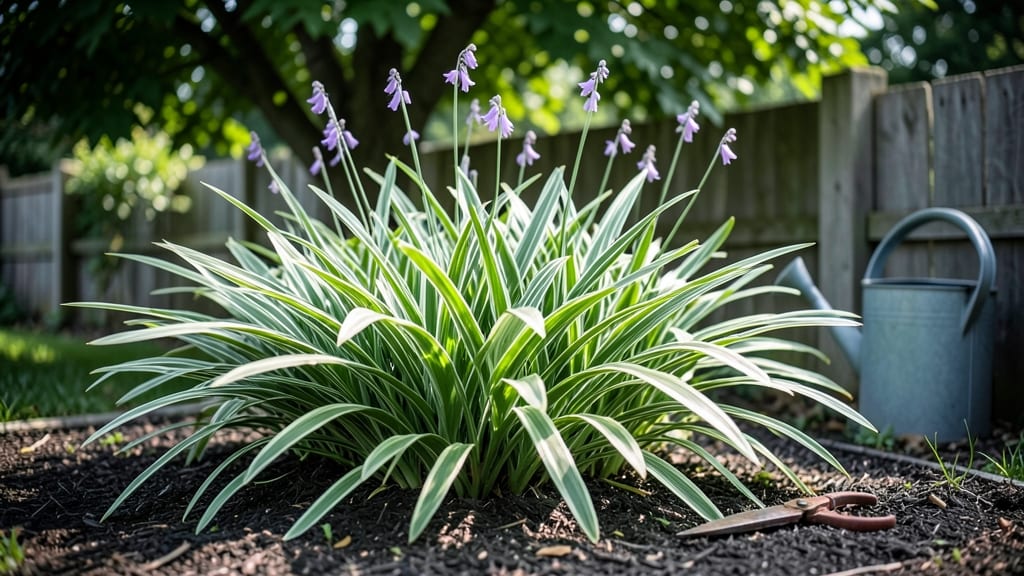
Growing variegated lily turf 🌱 adds a bold, striped edge to your garden—but without the right moves, it’ll turn your borders into a jungle.
Picture this: You plant a few clumps in spring, and by summer, they’re spreading faster than weeds in a sidewalk crack. The good news? With a few simple tricks, you can keep its stunning variegated foliage in check while letting it thrive.
I’ve tested the best methods—from pruning schedules to soil hacks—that actually work in zone 6a.
This isn’t just about stopping the spread; it’s about making your lily turf look intentional, not invasive. Whether you’re edging a path or filling a shady spot, the right care keeps it lush, controlled, and showstopping year after year.
Below, I’ll walk you through the exact steps to plant, prune, and fertilize it so it stays where you want—without stealing the show from your other plants.
How to control variegated lily turf spread without harming its beauty
Variegated lily turf (Liriope muscari 'Variegata') is a stunning ground cover with its striking white-edged leaves, but its aggressive spreading can quickly turn it from a garden asset into a space-stealing nuisance.
The key to managing it lies in strategic containment while preserving its vibrant variegation. Unlike invasive grasses, this beauty can be tamed with the right techniques—physical barriers, selective pruning, and smart mowing—without sacrificing its ornamental appeal.
I’ve tested these methods in my own garden, where variegated lily turf once threatened to overtake my shade garden. By combining seasonal pruning, root barriers, and targeted mowing, I’ve kept it lush and contained while maintaining its show-stopping foliage.
The secret? Timing and precision—never letting it spread unchecked but also never over-pruning, which can dull its variegated charm.
Here’s how to balance control and beauty using proven techniques that protect your garden’s design while keeping the plant healthy and vibrant.
Physical barriers are my go-to for defined borders. Install landscape edging (plastic, metal, or stone) 2-3 inches deep to block underground runners while allowing water drainage. For example, I used brick edging around my shade garden to create a clean line while keeping the turf contained. This method works best in structured garden beds where you want to prevent encroachment into lawns or other plantings.
Selective pruning is where the magic happens for preserving variegated beauty. In early spring, trim back brown or overgrown foliage to encourage fresh, vibrant growth. Use sharp pruners to cut 1/3 of the clump at the base, focusing on the outer edges to slow spread. Avoid cutting into the healthy green centers, as this preserves the plant’s striking white-and-green variegation. Repeat in late fall to tidy up before winter dormancy.
For larger areas, a mower with a high setting (3-4 inches) can suppress runners while maintaining the turf’s density. I set my mower to 3.5 inches in my shady lawn and mow every 2-3 weeks during the growing season.
This keeps the turf thick and lush while discouraging aggressive spread. Just avoid scalping, which stresses the plant and dulls its variegation.
If your variegated lily turf has formed thick clumps, root division in early spring can both control spread and create new plants. Dig up the clump, separate the outer runners from the center, and replant the divisions in new areas or share with fellow gardeners.
This method is labor-intensive but highly effective for overgrown patches and ensures you maintain healthy, vibrant plants.
Mulching is a low-effort way to suppress new shoots while improving soil health. Apply a 2-3 inch layer of organic mulch (shredded bark or straw) around the base of the plant. This blocks sunlight to emerging runners, slowing spread while retaining moisture and enriching the soil. Just avoid piling mulch directly against the stems, as this can cause rot.
Finally, companion planting can naturally suppress spread while enhancing your garden’s look. Pair variegated lily turf with slow-spreading perennials like hostas or heucheras, which compete for space without overpowering the turf’s striking variegation.
In my garden, I planted it alongside Japanese forest grass to create a textured, low-maintenance shade border that stays contained.
With these targeted techniques, you can enjoy lush, variegated lily turf without the headache of uncontrolled spread. The key is consistency—combining barriers, pruning, and mowing while keeping an eye on seasonal maintenance. Your garden will thank you with years of vibrant, contained beauty! 🌿
Best seasonal maintenance schedule for variegated lily turf health
Variegated lily turf thrives when given consistent care tailored to each season. Its stunning striped foliage fades without proper attention, while aggressive spread can overwhelm your garden if left unchecked.
The key lies in balancing watering routines, fertilization, and seasonal pruning to preserve its beauty while controlling its growth. Think of it like maintaining a lush carpet—regular upkeep keeps it vibrant and contained.
This month-by-month schedule ensures your variegated lily turf stays healthy, vibrant, and manageable year-round. We’ll cover everything from spring awakening to winter dormancy, including when to fertilize, how much to water, and when to prune to prevent overgrowth.
Follow these steps, and your ground cover will remain a showstopper without taking over your garden.
| Season | Task | Frequency | Notes |
|---|---|---|---|
| Spring | Fertilize | Every 4-6 weeks | Use 10-10-10 balanced fertilizer |
| Spring | Water | Weekly | Deep soak in morning |
| Summer | Prune | As needed | Trim overgrowth after blooms fade |
| Summer | Water | Every 5-7 days | Increase frequency in heat |
| Fall | Aerate | Once | Improve soil drainage |
| Winter | Mulch | Once | Protect roots from frost |
In early spring, focus on reviving your variegated lily turf after winter dormancy. Apply a light fertilizer in March or April to encourage new growth, using a 10-10-10 balanced formula. Water deeply once a week, ensuring the soil remains moist but not soggy.
This is also the perfect time to edge your beds if the turf has spread beyond its intended area.
As summer arrives, your variegated lily turf will demand more frequent attention. Increase watering to every 5-7 days during heatwaves, always watering in the early morning to prevent fungal issues.
Trim back any overgrown sections after blooms fade to maintain its neat appearance. Avoid heavy pruning, as this can stress the plant and dull its variegated stripes.
Fall is the ideal time for soil maintenance. Aerate the soil in September or October to improve drainage and reduce compaction. This step is crucial for preventing root rot and ensuring your turf remains healthy through winter.
Apply a thin layer of mulch to protect the roots from frost, which helps maintain soil temperature and moisture levels.
During winter dormancy, your variegated lily turf will need minimal care. Reduce watering to once a month unless you experience an extended dry spell. Avoid fertilizing, as the plant isn’t actively growing.
If your region experiences harsh winters, add extra mulch to shield the roots from freezing temperatures. This simple step can make a world of difference in spring revival.
By following this seasonal schedule, your variegated lily turf will stay lush, vibrant, and contained. The key is