
Pruning
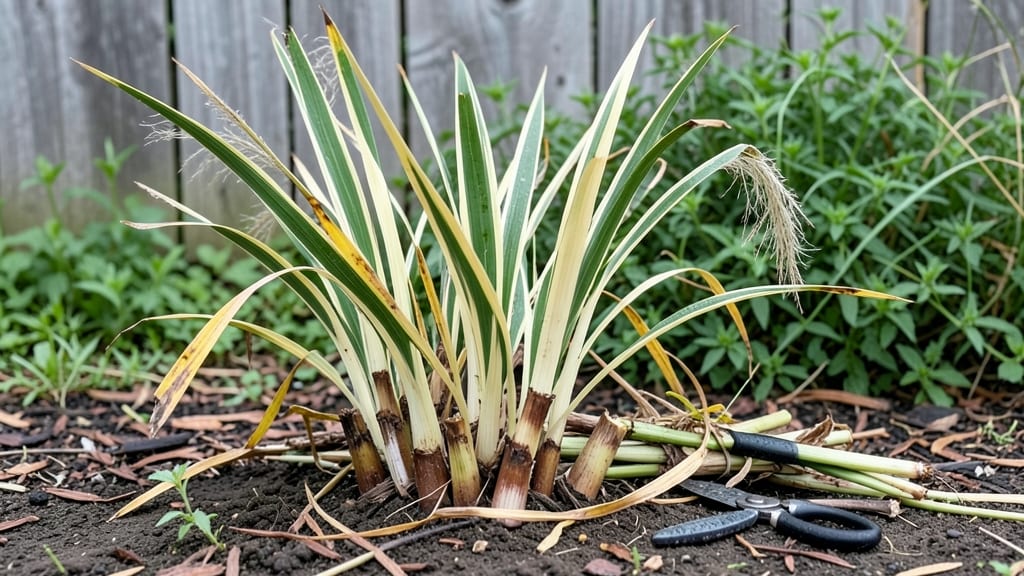
Stopping zebra grass from taking over your yard starts with the right trim—sharp blade secrets cut spread faster than any other method.
I’ve watched this grass creep into flower beds and sidewalks, but a few precise cuts in the right season can turn it from a nuisance into a tidy, ornamental edge.
The key isn’t just when you cut, but how you do it—aggressive enough to control growth, but not so harsh you invite disease or stress the plant.
You’ll need a sharp lawnmower blade (dull blades tear grass, not cleanly cut it) and ideally a string trimmer for edges. Timing matters too: late spring or early summer, when the grass is actively growing but before it seeds.
Over-trimming in fall weakens roots, while cutting too late in summer leaves it vulnerable to heat stress. I’ve seen neighbors skip this step and end up with a yard full of straggly, patchy grass by August.
What you’ll get is a neat, dense border that stays put instead of spreading. The secret is cutting one-third of the height at a time—never more—and always keeping the blade sharp. This encourages bushier growth at the base while preventing those unsightly bare spots.
Plus, your lawnmower will last longer since it won’t struggle through tough, overgrown grass. The first few trims might feel tedious, but once you establish the rhythm, it becomes a quick weekend task.
Works for both new plantings and established borders, though young grass needs gentler cuts. If you’re in a hot climate, trim early in the morning to avoid stressing the plant.
And here’s the kicker: this same method keeps zebra grass looking sharp and intentional—no more hiding it behind mulch or pretending it’s not there. Ready to reclaim your yard’s edges?
📚 In This Guide
- What you need
- Instructions
- Tips and common mistakes
- Wrapping up and next steps
What you need
- ● String trimmer (weed whacker) – Choose a gas-powered or electric model with a 0.180" or 0.210" nylon or poly cutting line (avoid steel for clean cuts). A 20-24" cutting head works best for most lawns.
- ● Heavy-duty gloves – Opt for gardening gloves with reinforced palms (e.g., mechanics-grade) to protect against sharp blades and thorns.
- ● Long-sleeve shirt and pants – Wear thick, tear-resistant fabric (e.g., denim or canvas) to shield against debris and scratches.
- ● Safety goggles – ANSI-rated goggles to guard against flying grass clippings and dust.
- ● Knee pads or cushioning – If trimming in large areas, these reduce strain on your joints.
- ○ Water spray bottle (optional but helpful) – A 1-gallon capacity with a misting nozzle to dampen dry grass and reduce dust.
- ● Check the weather: Trim on a dry, wind-free day (humidity <60%) to avoid slipping or spreading seeds.
- ● Mark boundaries: Use spray paint or flags to outline areas you’ve already trimmed and avoid overlapping.
- ● Fuel up (for gas trimmers): Use fresh, unleaded gasoline mixed with 2-cycle oil (50:1 ratio) if using a gas model.
- ● Sharp cutting line: Replace or sharpen dull trimmer line every 5–10 hours of use for cleaner cuts.
- ● Ear protection – Noise-canceling earbuds if using a loud gas trimmer.
- ● Dust mask – For extra protection in dry, dusty conditions.
- ● Portable fan – Keeps you cool during long trimming sessions.
- ● Lawn debris bag – Attaches to your trimmer to collect clippings (reduces cleanup time).
Step-by-step instructions for trimming zebra grass effectively
Here’s how I stop zebra grass from spreading aggressively—using precision cuts and timing.
Time Your Cuts for Maximum Impact
Zebra grass spreads fastest in late spring and early summer, so that’s when I trim it back hardest. Aim to cut it down to 2-3 inches tall when it’s actively growing—this weakens its root system before it can spread further. Avoid cutting during dormancy (fall/winter) or when it’s flowering, as this can stimulate new growth.
Watch for the first signs of new shoots in early spring—that’s your cue to start trimming. If you wait until it’s over 6 inches tall, you’ll be playing catch-up with its aggressive growth. I always mark my calendar for late May in my climate zone, as that’s when zebra grass really takes off.
Use the Right Tools for Clean Cuts
Never use dull blades—they tear the grass instead of making clean cuts, which leads to ragged edges and faster regrowth. A sharp lawnmower blade or string trimmer with a fresh line is essential. I test my blade’s sharpness by running my fingernail along it—if it catches, it’s time to sharpen it.
For small patches, I use hand shears—they give me more control over the cut height. Always adjust the mower or trimmer to the lowest setting (about 2 inches) to prevent the grass from rebounding quickly. If you’re unsure about your blade’s sharpness, trim a small section first and check the cut quality.
Trim in Stages for Full Control
Don’t cut the entire patch at once—this stresses the grass and can lead to a sudden surge of new growth. Instead, divide the area into sections and trim one-third at a time, spaced 3-5 days apart. This gradual approach weakens the grass’s ability to recover and spread.
After each trimming, I rake up the clippings immediately—never leave them behind. Zebra grass spreads via underground rhizomes, and clippings left on the ground can root and create new plants. If you’re dealing with a large area, bag the clippings or compost them far away from your yard.
Follow Up with Preventative Measures
Once you’ve trimmed, the real work begins. Apply a thick layer of mulch (about 3 inches) to bare soil where zebra grass was growing. This blocks sunlight, which the grass needs to regrow. I use wood chips or straw mulch because they break down slowly and suppress weeds too.
Water the area deeply but infrequently—zebra grass thrives in moist soil, so letting the top 2 inches of soil dry out between waterings weakens it. If you see new shoots popping up, trim them immediately before they establish roots. Consistency is key—one missed trim can undo weeks of effort.
Tips & tricks for trimming zebra grass effectively
Precision timing and sharp tools make all the difference when battling zebra grass—here’s how to maximize your effort.
Timing is Everything: The late spring to early summer window is critical for stopping zebra grass spread. When you see those first fresh shoots in early spring, that’s your signal to start. I’ve found that cutting when the grass is between 2-3 inches tall gives you the best control—this height weakens the root system without stressing the plant too much. If you wait until it’s over 6 inches, you’re already playing defense instead of offense. Mark your calendar for late May in most climates—this is when zebra grass really starts its aggressive growth phase.
Tool Sharpness Makes the Difference: A dull blade is your worst enemy—it tears the grass instead of making clean cuts, which leads to ragged edges that regrow faster. I always test my lawnmower blade or string trimmer line by running my fingernail along it. If it catches, it’s time to sharpen it. For small patches, hand shears give me the precision I need to cut cleanly at the perfect 2-inch height. Remember, the goal is to remove as much leaf surface area as possible without damaging the soil or leaving behind regrowth potential.
Gradual Trimming Prevents Regrowth: Cutting the entire patch at once can actually stimulate new growth, so I divide the area into sections and trim one-third at a time, spaced 3-5 days apart. This gradual approach weakens the grass’s ability to recover. After each session, I immediately rake up all clippings—never leave them behind. Zebra grass spreads through underground rhizomes, and even small pieces left on the ground can root and create new plants. For larger areas, I bag the clippings or compost them far away from my yard to prevent accidental spread.
Follow-Up Measures Are Non-Negotiable: Once you’ve trimmed, the real work begins with prevention. Apply a thick layer of mulch (about 3 inches) to the bare soil where zebra grass was growing. This blocks sunlight, which the grass needs to regrow. I prefer wood chips or straw mulch because they break down slowly and also suppress weeds. Watering deeply but infrequently—letting the top 2 inches of soil dry out between waterings—weakens the grass further. If you see any new shoots popping up, trim them immediately before they establish roots.
Pro Tips for Trimming Zebra Grass
- Precision timing and sharp tools make all the difference when battling zebra grass—here’s how to maximize your effort.
- Timing is Everything: The late spring to early summer window is critical for stopping zebra grass spread.
- Tool Sharpness Makes the Difference: A dull blade is your worst enemy—it tears the grass instead of making clean cuts, which leads to ragged edges that regrow faster.
Frequently asked questions
Got questions about keeping your zebra grass in check? You’re not alone! Here are some of the most common concerns—and their answers—to help you trim like a pro.
When is the best time to trim zebra grass to prevent it from spreading?
The ideal time to trim zebra grass is early spring or late fall, when it’s actively growing but before it goes dormant. Cutting it back in spring helps curb aggressive spread, while fall trims keep it tidy for winter. Avoid trimming during extreme heat or drought—stressed grass spreads faster!
How short can I cut zebra grass without harming it?
Zebra grass thrives when mowed to 2–3 inches tall. Cutting it any shorter stresses the plant, making it more susceptible to weeds and heat damage. If you’ve let it grow too tall, never remove more than 1/3 of the height at once—gradually lower the blade over 2–3 trims to avoid shocking the grass.
What’s the fastest way to stop zebra grass from spreading into my lawn?
Combine regular trimming with edging along borders and apply a pre-emergent herbicide in early spring to block seeds. For stubborn patches, solarize the soil (cover with clear plastic for 4–6 weeks in summer) or dig up rhizomes by hand. Patience is key—consistency wins!
Can I use a regular lawnmower, or do I need a special tool for zebra grass?
A sharp, heavy-duty lawnmower (preferably with a mulching blade) works fine for most zebra grass. For thick patches or borders, a string trimmer or edging shears help precision-cut without tearing the grass. Dull blades rip grass, leaving jagged edges that spread faster—so sharpen yours often!
Why does my zebra grass keep coming back even after trimming?
Zebra grass spreads via rhizomes (underground stems) and seeds. If it persists, check for:
- Incomplete removal: Dig up rhizomes 6+ inches deep.
- Seed dispersal: Collect and dispose of seed heads before they drop.
- Fertilizer runoff: Over-fertilizing can boost growth—stick to a low-nitrogen routine.
For stubborn cases, consider vinegar-based herbicides (spot-treat only) or professional help.
Wrapping up and next steps
Trimming zebra grass effectively doesn’t have to be a daunting task—with the right tools, timing, and technique, you can keep it lush and contained while preventing it from taking over your yard. 🌱 The key lies in consistency, sharp blades, and knowing when to act, whether you’re mowing, edging, or tackling stubborn patches.
Your effort will pay off with a neat, healthy lawn that stays under control year after year.
Ready to take charge? Grab your tools and schedule that first trim today! Start small, stay patient, and watch your yard transform. 💪