
Plants
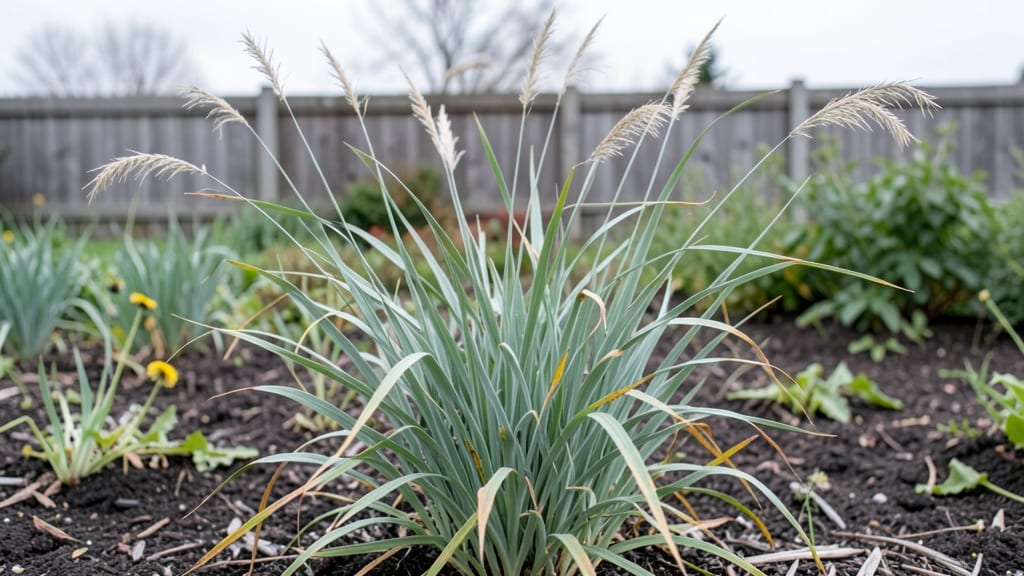
That tall grass looks like wheat swaying over your garden beds instantly transforms a dull space into a golden, textured masterpiece—and the best part? They need almost no fuss to pull it off.
If you've ever admired the golden, wheat-like texture of ornamental grasses but want something taller and more dramatic, you’re in the right place. These stunning plants can transform any garden into a textured masterpiece with minimal effort.
Orchard Grass, for example, grows to a towering 4-6 feet tall, creating a striking vertical element that mimics wheat fields. It thrives in USDA Zone 6a and beyond, making it a versatile choice for general planting in early spring or fall.
Below, I’ll share how to plant and maintain these grasses for year-round texture, plus the best varieties that deliver that signature wheat-like look without the upkeep of traditional crops.


Top 5 ornamental millet varieties that mimic wheat’s golden beauty
If you're dreaming of a garden that captures the rustic charm of wheat fields without the farming commitment, ornamental millets are your perfect solution. These fast-growing annual grasses deliver golden plumes and wheat-like textures with minimal upkeep.
Whether you want dramatic vertical accents or soft textured borders, these varieties bring farmhouse elegance to any landscape.
What makes millets so special is their ability to thrive in poor soil conditions while still producing striking architectural forms. Unlike traditional wheat, these grasses are drought-tolerant and low-maintenance, making them ideal for both beginner gardeners and seasoned pros.
Plus, their seasonal color shifts from green to golden-brown create year-round interest.
Below is a detailed comparison of the top 5 wheat-like millet varieties that will elevate your garden's texture and height. Each offers unique growth habits and visual impacts, so you can choose based on your space and style preferences.
| Variety | Height | Color | Growth Habit | Best For |
|---|---|---|---|---|
| Pennisetum glaucum (Pearl Millet) | 4-6 ft | Golden-yellow | Clumping, upright | Dramatic focal points |
| Setaria italica (Foxtail Millet) | 2-4 ft | Bronze-green | Bushy, airy plumes | Soft borders, containers |
| Panicum virgatum (Switchgrass) | 3-5 ft | Golden-brown | Arching, feathery | Prairie-style gardens |
| Echinochloa crus-galli (Barnyard Millet) | 3-5 ft | Reddish-brown | Clumping, dense | Wildflower meadows |
| Sorghum bicolor (Millet Sorghum) | 5-8 ft | Deep gold | Tall, slender stalks | Tall gardens, backdrops |
For maximum wheat-like impact, I recommend starting with Pennisetum glaucum or Sorghum bicolor if you have space for tall, dramatic specimens. These varieties create vertical interest that mimics wheat fields, especially when planted in groups of 3-5.
Their golden hues will glow in late summer sunlight, adding warmth to any garden.
If you prefer a softer, more delicate look, Setaria italica delivers feathery plumes that sway gently in the breeze. This millet thrives in containers or borders, making it perfect for smaller spaces or urban gardens. Its bronze-green tones transition beautifully to wheat-like gold as the season progresses.
For a native prairie aesthetic, Panicum virgatum is my top pick. This drought-tolerant perennial (yes, it comes back every year!) forms arching clumps that resemble wild wheat. It’s also low-maintenance, requiring only occasional deadheading to keep it looking tidy.
Don’t overlook Echinochloa crus-galli for a wild, natural look. Its reddish-brown seed heads add a rustic contrast to golden millets,
How to plant and maintain wheat-like millet grass for year-round texture
Transforming your garden into a golden wheat field isn’t as difficult as it sounds. Millet grasses like Pennisetum glaucum and Setaria italica offer that coveted wheat-like texture with minimal upkeep. These grasses thrive in full sun and well-draining soil, making them perfect for borders, pathways, or even container gardens.
The key is understanding their seasonal needs and watering habits to keep them lush and upright year-round.
Before planting, choose a location with at least 6 hours of direct sunlight daily. Millet grasses love open spaces where their plume-like seed heads can sway freely. If your soil is heavy clay, mix in compost or sand to improve drainage.
These grasses are drought-tolerant once established, but they need consistent moisture during their first 6-8 weeks to root deeply.
🌾 Step-by-Step Guide to Planting and Maintaining Wheat-Like Millet Grass
- 1 Prepare the Soil: Test soil pH (ideal 6.0-7.0). Amend with compost and organic matter for fertility. Loosen soil to 12 inches deep for optimal root growth.
- 2 Plant Seeds or Transplants: Sow seeds ¼ inch deep in early spring or early fall. Space plants 12-18 inches apart for mature size. Transplants can be spaced 18-24 inches apart.
- 3 Watering Schedule: Keep soil consistently moist for first 8 weeks. Water deeply 2-3 times per week in morning hours to prevent fungal growth. Reduce to once weekly once established.
- 4 Fertilize Lightly: Apply balanced fertilizer (10-10-10) in early spring and late summer. Use ½ cup per 10 sqft. Avoid over-fertilizing, which can reduce wheat-like texture.
- 5 Seasonal Pruning: Cut back dead foliage in late winter before new growth. Leave seed heads for winter interest. Trim overgrown clumps in early spring to encourage bushier growth.
- 6 Mulch for Winter: Apply 2-3 inches of mulch in fall to protect roots. Use straw or shredded leaves to retain moisture and insulate soil.
One of the biggest mistakes I see is overwatering millet grasses once they’re established. These plants are drought-tolerant and prefer dry conditions in winter. If your garden gets heavy rainfall, ensure the soil drains well to avoid root rot.
Mulching helps regulate soil moisture and keeps the wheat-like texture intact by preventing weeds from competing for nutrients.
For year-round texture, pair millet grasses with evergreen shrubs or broadleaf perennials like sedum or heuchera. The contrast between their golden plumes and deep green or purple foliage creates a stunning visual effect.
In USDA zones 5-9, millet grasses are perennial, but in colder zones, treat them as annuals or protect them with burlap wraps in winter.
With the right care, your wheat-like millet grass will provide seasonal interest from spring blooms to winter seed heads. The best part? These grasses require almost no maintenance once established, making them perfect for low-effort landscaping. 🌱